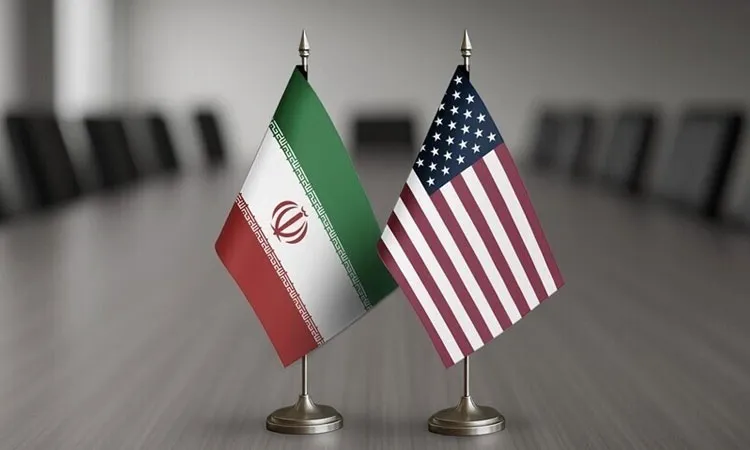
The United States and Iran are on the verge of a historic peace deal to end their recent military conflict, though both nations are locked in a public dispute over the agreement's exact terms.
Pakistan, which has mediated between the two adversaries since brokering an April 8 ceasefire to halt the war that erupted on February 28, announced Friday that a "final text" has been reached.
"Pakistan is now working closely with both sides to finalize the next steps," Pakistani Prime Minister Shehbaz Sharif posted on X (formerly Twitter). Sharif, who hosted the highest-level talks between Washington and Tehran since diplomatic ties were severed in 1979, also warned against a "misinformation campaign" aimed at sabotaging the intense mediation efforts.
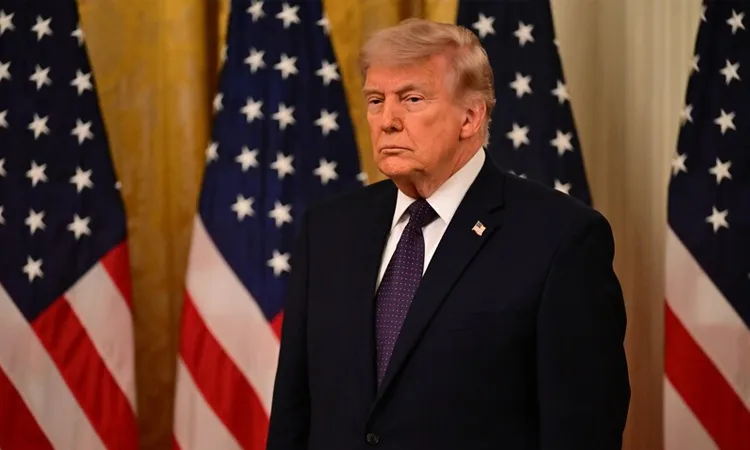
The breakthrough comes directly after US President Donald Trump announced he had called off imminent airstrikes on Iran, stating a pact was nearly complete. Reports indicate US Vice President JD Vance may fly to Europe with Geneva being the likeliest venue to sign the memorandum of understanding with Iranian Parliament Speaker Mohammad Baqer Qalibaf as early as Sunday.
Despite the momentum, Washington and Tehran have presented sharply differing narratives regarding what was actually agreed upon in writing.
Leaked terms obtained by diplomatic sources suggested a text highly favorable to Iran. According to these leaks, the US would immediately release billions of dollars in frozen assets and waive sanctions on Iranian oil exports in exchange for Iran reopening the strategic Strait of Hormuz which Tehran shut down following joint US-Israeli attacks in February. Furthermore, these sources claimed that long-standing US demands to curb Iran's missile program and dismantle its highly enriched uranium stockpile were temporarily shelved for a 60-day negotiation window.
President Trump sharply dismissed these leaks on Truth Social, writing: “The terms that Iran leaked out to the Fake News have NOTHING to do with the terms that were agreed to, in writing. Very dishonorable people to deal with.”
Shortly after, however, Trump reposted a statement by Iranian Foreign Minister Abbas Araqchi, who agreed that a memorandum to end the war has "never been closer" while warning the public against speculation over unverified contents.
Senior US officials have strongly pushed back against claims of premature sanctions relief. A White House official told media outlets that the pact is strictly a "performance-based deal" requiring heavy initial concessions from Tehran.
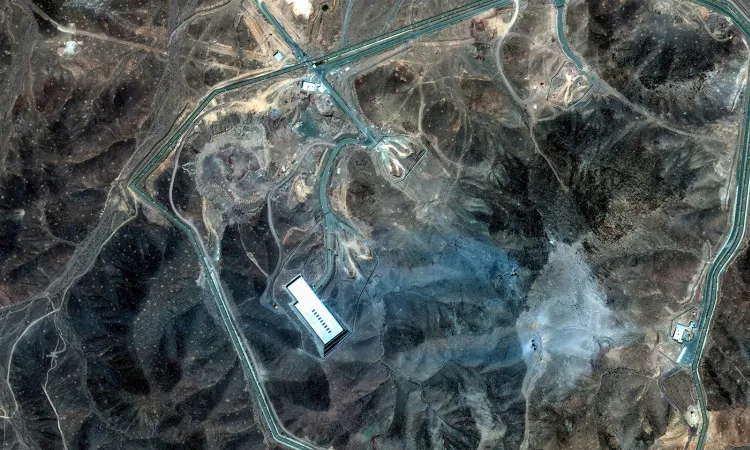
According to the US administration, Iran's highly enriched uranium stockpile will be destroyed and removed, its nuclear program dismantled and its funding of regional militant groups halted.
"First, the Iranians are not receiving any cash and no funds are being released for simply signing a deal or attending a meeting," Vice President JD Vance clarified on X, emphasizing that economic benefits will only flow to Iran after it meets its obligations.
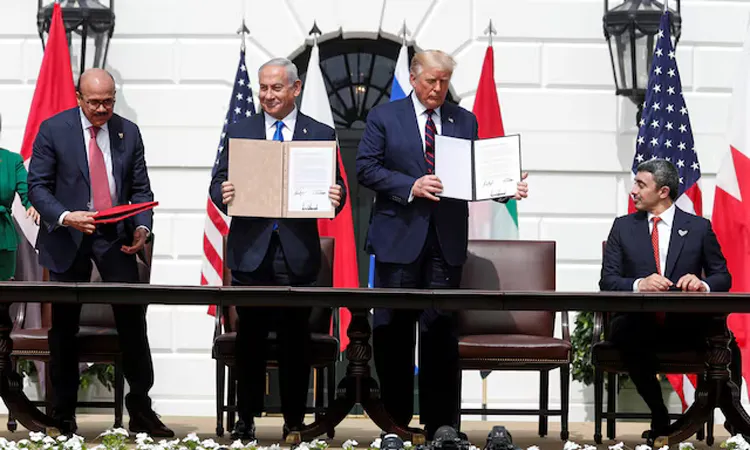
Notably excluded from the bilateral talks, Israel has completely detached itself from the emerging memorandum. Israeli Prime Minister Benjamin Netanyahu, who has openly clashed with Trump recently over US demands to curb military actions in Lebanon to facilitate the Iran deal, declared Israel will not be a party to the agreement. Israeli defense officials maintained that Israel will preserve full military freedom to act against perceived threats in the region.
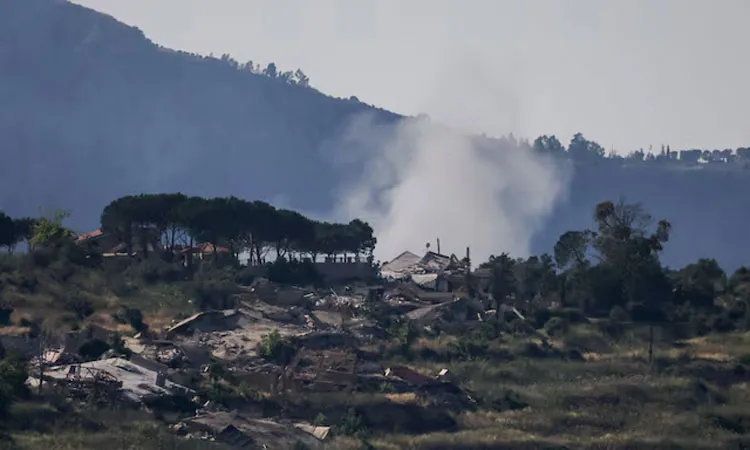
The diplomatic breakthrough follows a severe escalation earlier this week, which saw US bases targeted by return fire after Washington launched two days of strikes on Iran.
The conflict has caused severe domestic political strain for the White House, with Trump's approval ratings dipping amid voter anger over skyrocketing gasoline prices ahead of November's midterm congressional elections. Following news of the impending peace pact, global stock shares rallied sharply and global oil prices slid, with Brent crude dropping over 3% to its lowest level in nearly two months.