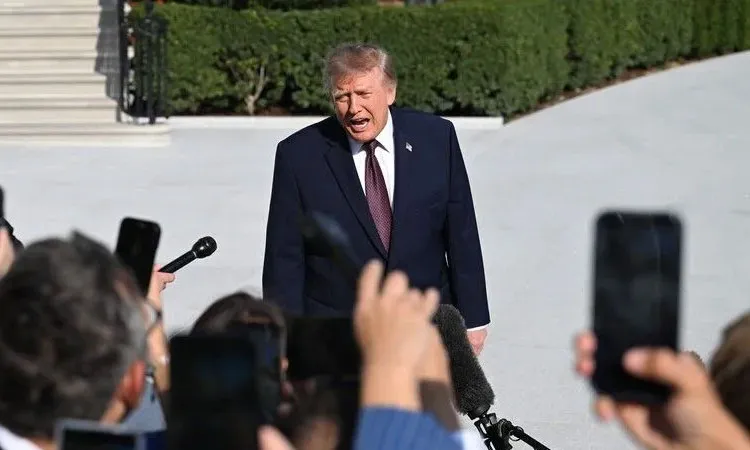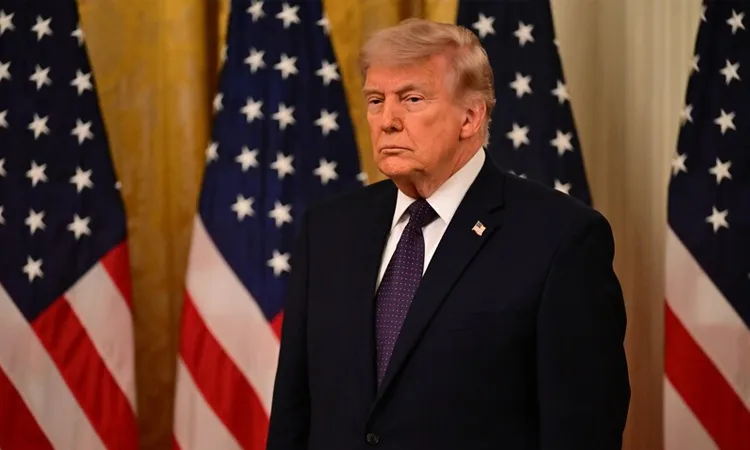
US President Donald Trump announced on Friday that he is holding a high-level meeting in the White House Situation Room to make a final decision on a tentative deal with Iran. The proposed agreement aims to extend a fragile ceasefire and secure the immediate, unrestricted reopening of the strategic Strait of Hormuz.
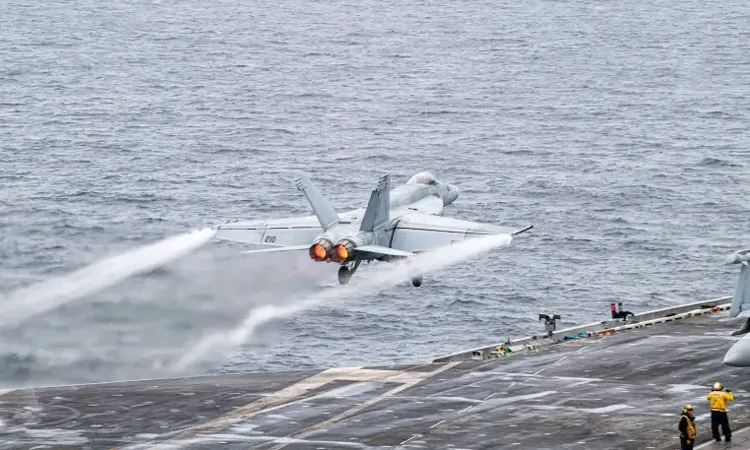
The potential deal would extend a truce in place since early April following a three-month conflict launched by the US and Israel on February 28 by another 60 days. This extension would allow commercial oil and gas shipments to resume through the critical waterway while negotiators tackle long-term issues, primarily Tehran's nuclear program.
Posting on Truth Social, President Trump outlined his core conditions, stating that Iran must commit to never developing a nuclear weapon. He added that the US naval blockade would be lifted, enabling trapped vessels to return home, and demanded that the Strait of Hormuz be opened in both directions without any toll fees. Trump also noted that remaining sea mines would be cleared.
An Iranian political source confirmed to Reuters that an understanding has been reached but is not yet finalized. However, Iran's semi-official Fars news agency claimed Trump's statements contained a "mixture of truth and falsehood" to project a fabricated victory. Fars stated that while a Memorandum of Understanding includes the release of $12 billion in frozen Iranian assets and a reopening of the strait under Tehran's supervision, it contains no provision to destroy nuclear materials.
In a significant diplomatic development, International Atomic Energy Agency (IAEA) chief Rafael Grossi revealed that Kazakhstan is willing to store Iran’s stockpile of highly enriched uranium if a final agreement is clinched. Meanwhile, mediation efforts accelerated as Pakistan's Foreign Minister Ishaq Dar arrived in Washington on Friday for critical talks with US Secretary of State Marco Rubio.
Iran continues to demand comprehensive sanctions relief, the withdrawal of US forces from the region and an end to Israel's military offensive in Lebanon.
The conflict has caused heavy casualties, killing over 3,200 people in Lebanon according to its health ministry and claiming the lives of 23 Israeli soldiers and four civilians. Global markets reacted positively to the potential peace breakthrough, with oil prices falling and global stocks rising on Friday.