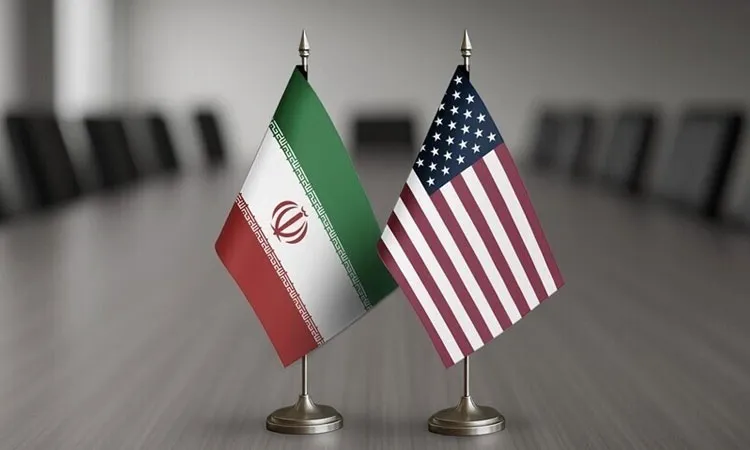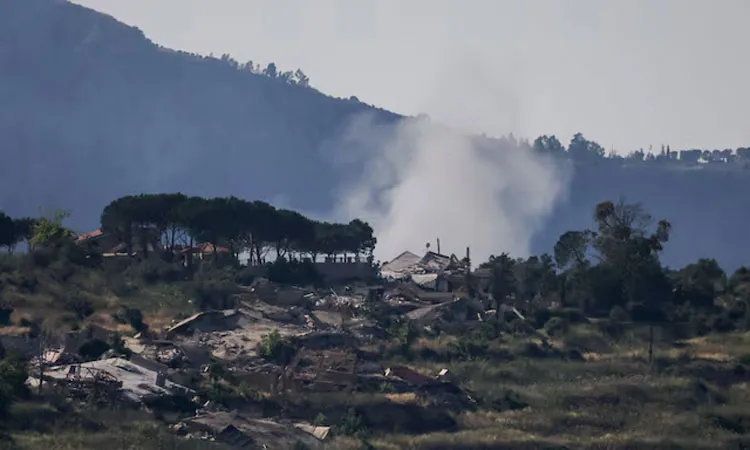
Lebanon is fighting to break free from Tehran’s geopolitical tutelage as a major, high-stakes US-Iran peace agreement nears finalization, threatening to leave Beirut's sovereignty at the mercy of a grand bargain between Washington and Tehran.
Hopes for a massive diplomatic breakthrough surged on Friday after US President Donald Trump announced that a settlement to end the three-month-old war with Iran could be signed as early as this weekend in Europe. The conflict has killed thousands and severely disrupted global energy markets due to Iran’s blockade of the crucial Strait of Hormuz shipping lane.
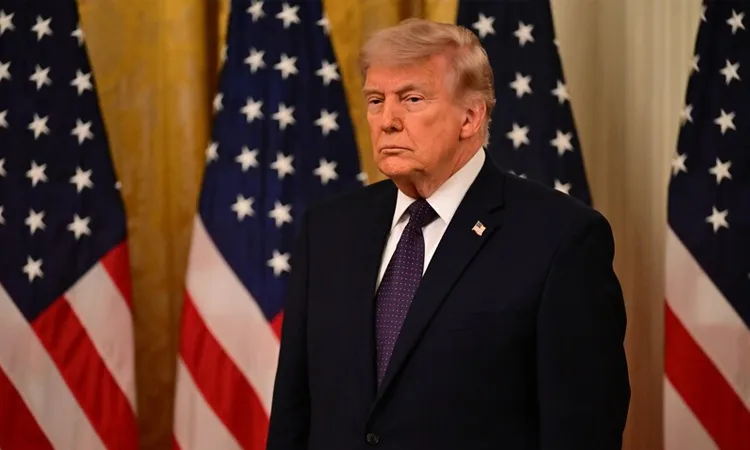
"We just made a great settlement of the war with Iran," Trump told reporters at the White House, adding that Vice President JD Vance would travel to Europe for the signing. "The strait will officially open as soon as we sign."

While Iranian Foreign Ministry spokesperson Esmaeil Baghaei confirmed that large portions of the agreement are finalized, he cautioned that Tehran’s decision-making bodies are still reviewing the text to protect its "red lines."
The impending US-Iran pact heavily compromises parallel, US-mediated border negotiations between Lebanon and Israel. Tehran has actively conditioned a Lebanese ceasefire on its own broader deal with Washington, effectively using the country as regional leverage.
However, Lebanese President Joseph Aoun has fiercely pushed back against Iranian interference, asserting his country’s right to independent diplomacy.
"Lebanon's future is in the hands of the Lebanese, not Iran—nor Israel," President Aoun told Reuters. "Cooperation with Iran is one thing, but we do not accept that the Iranians dictate to us. Iran cannot speak in our name. We do not accept that Lebanon becomes a field for other people's wars."
The diplomatic track between Beirut and West Jerusalem remains highly contentious. Supported by rare domestic consensus outside the Shi'ite community, Lebanon is demanding a simultaneous track: an immediate durable ceasefire, a full Israeli troop withdrawal, and the phased return of hundreds of thousands of displaced civilians under the supervision of the Lebanese army.
Conversely, Israel demands that Hezbollah be completely dismantled and removed from southern Lebanon before relinquishing any occupied territory.
According to Lebanese officials, the negotiations have been tortuous. A recent session nearly collapsed before direct, last-minute interventions by US Secretary of State Marco Rubio and Vice President Vance salvaged the talks.
The US mediators proposed a "take-it-or-leave-it" framework where a ceasefire would trigger a 24-hour deadline for Hezbollah to withdraw past strategic landmarks like Beaufort Castle, allowing Lebanese troops to deploy in "pilot zones" as Israeli forces sequentially pull back.
Hezbollah swiftly rejected the plan, calling it a "surrender." Factional insiders argue that the Washington track will remain deadlocked until a formal US-Iran deal forces a ceasefire, which would then compel the group's leadership to address the sensitive issue of its weaponry.
President Aoun warned that if Hezbollah chooses to maintain an indefinite war footing to serve foreign interests, it will bring catastrophic harm to the very communities it claims to defend, entrenching a grim status quo in southern Lebanon.