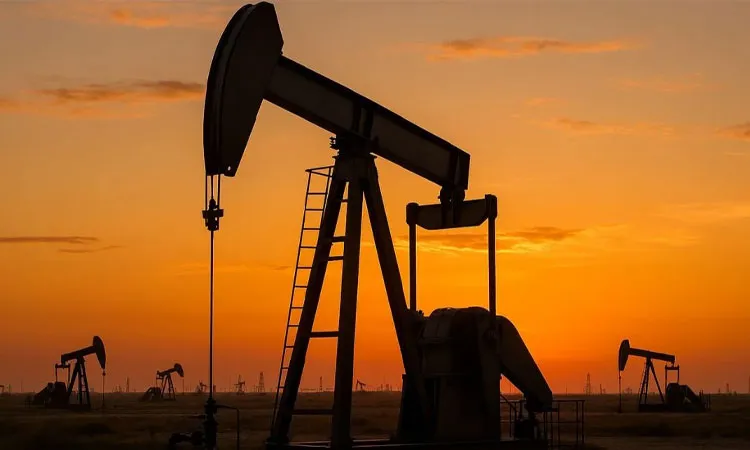
Oil prices are set to close the week above $100 a barrel for the first time in nearly four months with driven by escalating attacks on Middle Eastern shipping routes.
Brent crude futures climbed 1% to $108.68 a barrel while U.S. West Texas Intermediate (WTI) rose to $103.45. Both benchmarks surged over 6% on Thursday also marking a weekly gain of nearly 13% the steepest since mid-July.
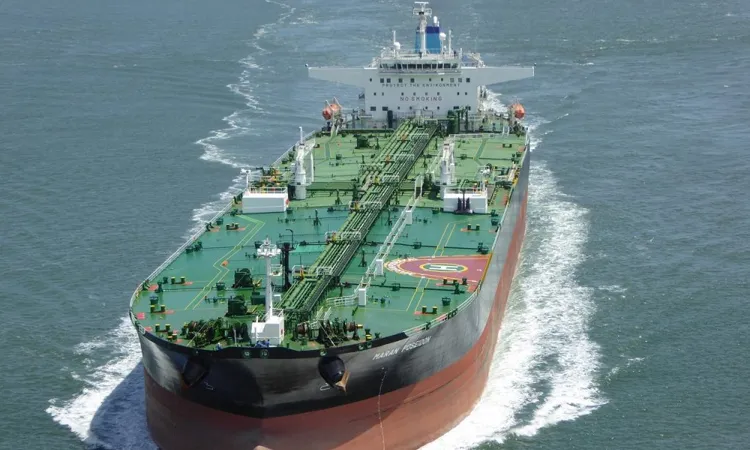
Tensions escalated rapidly after Iran-aligned Houthis seized Yemen's Mocha port and threatening Red Sea transit. Simultaneously the Gulf shipping remains restricted due to intensified tanker attacks in the Strait of Hormuz. Strikes on Saudi energy facilities have further amplified fears of prolonged regional disruptions.
The conflict is triggering a severe global ripple effect. U.S. diesel prices hit a record $6 per gallon squeezed by the ongoing U.S.-Iran conflict and Ukrainian strikes on Russian refineries. The crisis deepened after the U.S. struck five Iranian tankers with prompting Iran to retaliate against ten ships and threaten further escalation.
U.S. President Donald Trump warned of potential strikes near Iran's Natanz nuclear facility and predicting the conflict will end after the November midterm elections. However the analysts warn that Iran appears prepared for a prolonged standoff which could push WTI crude back toward its March high of $119.48.
The market's durability now heavily depends on China. Continued demand from the world’s top crude importer could further amplify price hikes amid these ongoing disruptions.
Meanwhile, OPEC downgraded its 2026 global oil demand growth forecast to 380,000 barrels per day its fifth consecutive downward revision. A recent survey also revealed that OPEC's August oil output dropped by 640,000 barrels per day also tightening an already strained global market.