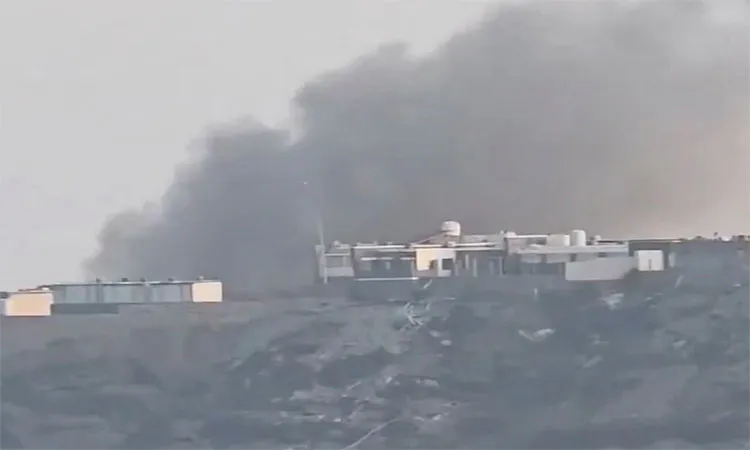
The Middle East conflict is increasingly straining Bangladesh's economy, with rising fuel costs, gas shortages and fertilizer shortfalls affecting transport, agriculture and household incomes. A World Bank assessment warns the crisis could put up to 600,000 jobs at risk if prolonged.
The report tied to a proposed budget support package and estimates that without the conflict the 1.7 million people could have escaped poverty in 2026. Under current conditions, that number may fall to just 500,000 meaning roughly 1.2 million people could miss the chance to rise out of poverty. Bangladesh's poor population already grew by 1.4 million in 2025 and inflation is expected to account for about 10% of this year's poverty increase.
Bangladesh's heavy reliance on imported energy especially LNG, 55-60% of which comes from the Middle East makes it vulnerable to regional disruptions. LNG spot prices have surged from $24 to $28 per unit and five of Petrobangla's six supply contracts have been declared under force majeure. Rising energy subsidies could push government spending from $2.5 billion to $4.8 billion this fiscal year also potentially forcing cuts to social security and emergency services.
Agriculture supports 40% of the population faces mounting pressure as gas shortages have shut down five of six urea fertilizer factories also pushing urea prices up nearly 30%. The World Bank warns fertilizer costs could double if the crisis continues.
The healthcare sector is also affected with rising electricity and fuel costs straining hospitals and pharmaceutical companies reliant on imported raw materials and equipment.
Economist Mostafizur Rahman of the Centre for Policy Dialogue said early warning signs halted gas connections, reduced factory hours and job losses are already visible, reinforcing the World Bank's concerns.