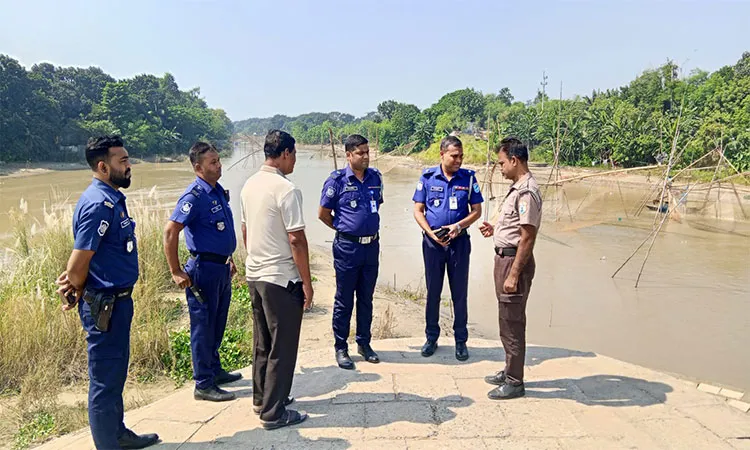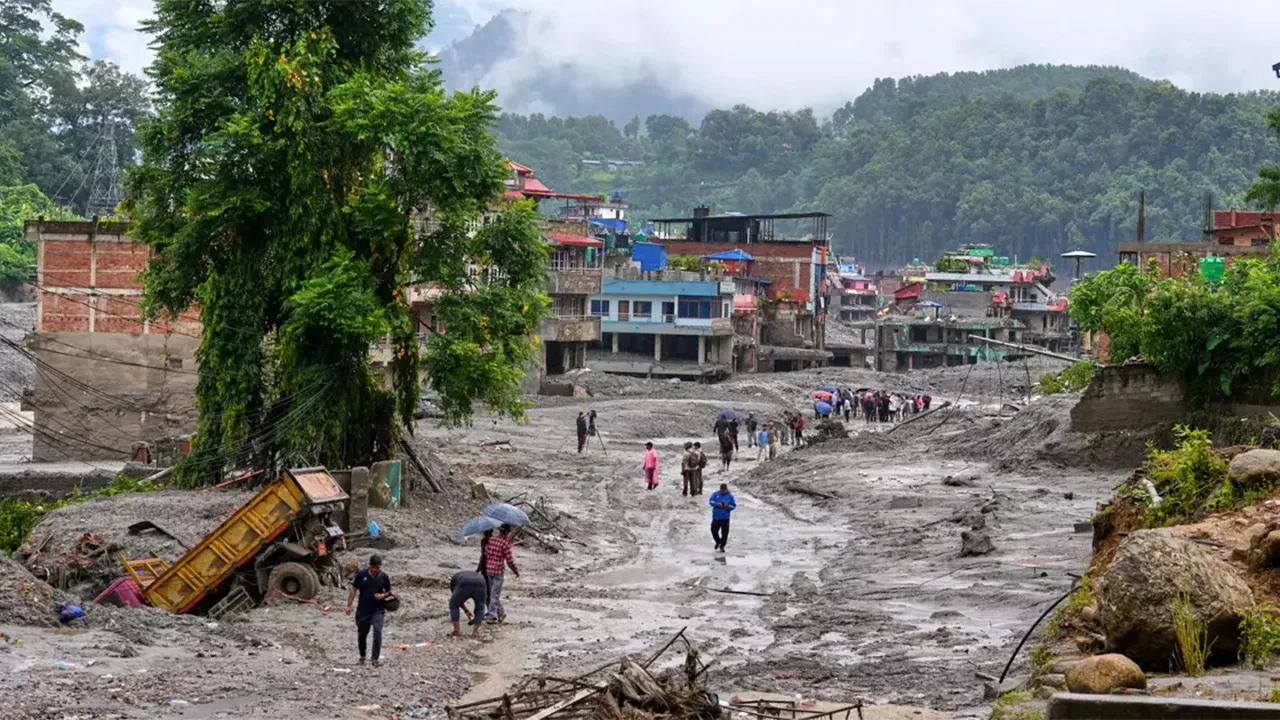
Rescue operations are continuing across flood- and landslide-hit areas of Nepal as the number of missing people approaches 3,000, while at least 633 bodies have been recovered following one of the country’s deadliest recent natural disasters.
The disaster, triggered by torrential flooding, landslides and powerful torrents of mud and debris, has devastated several villages and critical infrastructure in Nepal’s Himalayan region. Some bodies are also feared to have been swept downstream into India.
According to the latest information reported on Saturday (August 29), thousands of people remain unaccounted for several days after the disaster. Rescue teams are struggling to reach remote areas because roads, bridges and access routes have been destroyed or buried under mud and debris.
Nepal’s disaster management authorities have added hundreds of names to the missing-person list, including 933 workers involved in hydropower projects in the affected region.
The missing also include trekkers and Hindu pilgrims travelling toward Mount Kailash in Tibet, one of the region’s major religious destinations. A large number of foreign nationals are believed to be among those still unaccounted for.
Nepal’s authorities had previously reported that 1,924 people could not be contacted, including 517 foreign nationals. The latest estimates indicate that the overall number of missing people has now risen to nearly 3,000.
Meanwhile, Indian authorities have recovered at least seven bodies from rivers flowing out of Nepal, raising concerns that some victims may have been carried far downstream by the powerful currents.
For those who survived, the disaster has left entire communities devastated.
Survivor Buddhi Ram Dangol told AFP that settlements near the river had been swept away.
“There is nothing left there.”
Samjhana Thing has spent three days waiting for news of her missing brother.
“We know nothing. We hope he is somewhere safe.”
Relief agencies have warned that the disaster has caused severe physical and psychological trauma. The Red Cross estimates that around 93,000 people may have been affected, while the death toll could rise further as rescue teams reach previously inaccessible areas.
Food and drinking water supplies are also running short in some affected communities.
Rescue efforts have been further complicated by the risk of another sudden flood.
Large quantities of ice, mud and debris have blocked watercourses in mountainous areas, creating massive temporary reservoirs. Authorities fear that if one of these natural barriers collapses, a huge volume of water could rush downstream.
Nepal Police has urged rescue personnel to move to safer locations after receiving information about another possible barrier breach on the Tibetan side.
The situation has also affected rescue operations in Gyirong, a heavily damaged area on the China-Nepal border. Chinese authorities temporarily suspended rescue activities because of concerns over another flood, although officials later said the immediate risk had decreased.
China’s state-run Xinhua reported early Saturday that two villagers were rescued alive in the affected area.
Nepal’s Army has also identified people trapped inside a tunnel at the Trishuli-3 hydropower project.
Rescuers are attempting to locate and clear the tunnel entrance, but the operation has been made extremely difficult by mud and debris.
Nepali Army spokesperson Raja Ram Basnet told AFP that two helicopters had been deployed, but rescuers were struggling to identify the tunnel entrances.
Around 350 workers and local residents have already been evacuated from the area, while efforts continue to rescue more than 100 people believed to remain trapped.
Workers rescued from other hydropower projects in the Trishuli Valley said the disaster developed within a very short period.
Buddha Tamang, who survived after becoming trapped inside a work tunnel, said he remained there for more than 24 hours before being rescued by helicopter on Thursday.
He told AFP that senior officials working on the other side of the site had been swept away.
The disaster has also raised concern over foreign tourists and pilgrims travelling through the Nepal-Tibet border region.
Among those affected are Hindu pilgrims travelling toward Mount Kailash in Tibet. Many were caught in the sudden torrent while travelling by road.
One survivor, 46-year-old Shivaranjani Muthunathan, was travelling with 56 other people on a bus toward the Chinese border. Initially, they believed they were simply stuck in traffic.
She said fog and smoke suddenly surrounded them before a powerful torrent rushed toward the vehicle.
Cars around them were swept away by the water and buried under mud. The passengers eventually escaped through the driver’s-side door and ran uphill to safety.
Experts have suggested that the disaster may be linked to a combination of extreme weather, glacial instability, landslides and rapidly changing conditions in the Himalayan region.
The scale of the destruction has raised renewed concerns about the vulnerability of Nepal’s mountainous communities, hydropower infrastructure and major transport routes to sudden floods and landslides.
With thousands still missing and rescue teams continuing to search through mud and debris, authorities fear that the death toll from the Nepal floods and landslides could rise further.