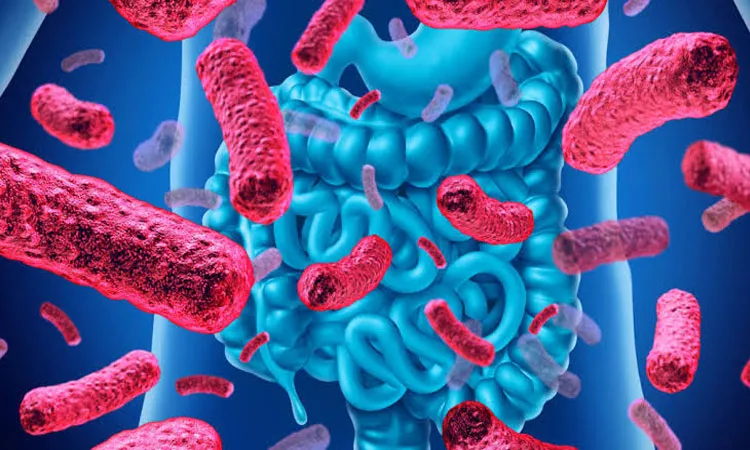
Changes in gut bacteria and digestive chemicals may serve as early indicators of dementia and help predict how fast memory loss progresses according to a study published in MedComm.
Led by Cardiff University researchers in collaboration with Imperial College London, the study analyzed stool samples from 35 older adults, comparing individuals with mild cognitive impairment (MCI) to healthy partners. Using artificial intelligence, the team identified distinct biological markers in gut flora and metabolic chemicals that differed between the two groups.

Specifically the individuals with MCI showed elevated levels of Izemoplasmatales bacteria and the chemical proline alongside reduced levels of Ruminococcus and Lachnospira bacteria and fumaric acid.
A one-year follow-up revealed that participants with higher initial levels of Bilophila bacteria and chemicals like arginine, aspartic acid and hypoxanthine experienced a faster decline in cognitive abilities.
"The gut could offer a window into what is happening in the brain at the earliest stages of cognitive decline" said lead researcher Professor Paul Morgan. Co-author Dr. You Zhou noted that while MCI affects roughly one in four older adults worldwide, simple diagnostic tools remain limited.
Researchers emphasized that while these findings pave the way for non-invasive diagnostic tests, larger and more diverse trials are needed to account for diet, lifestyle, environment and genetics before clinical application.