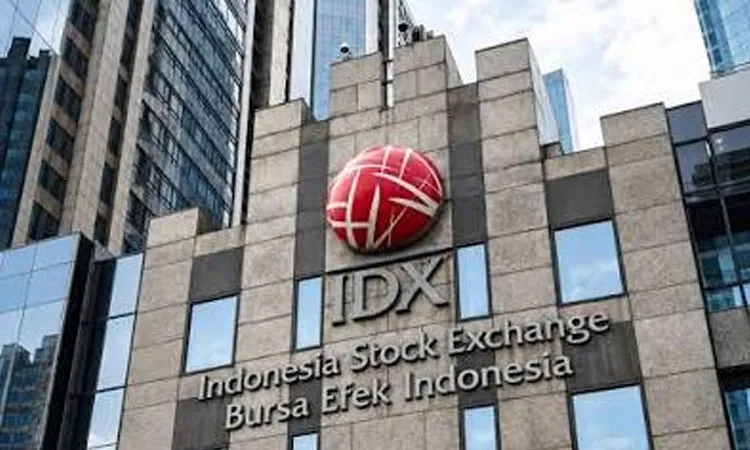
Panic selling gripped Indonesian capital markets on Monday with benchmark stocks dropping over 5% to a six-year low following an 11.6% plunge on Friday. The steep sell-off came after global index provider MSCI warned it may downgrade Indonesia from "emerging market" to "standalone" status due to long-standing concerns over ownership transparency and market manipulation.
A downgrade to standalone status would group Southeast Asia’s largest economy with markets like Lebanon and Zimbabwe also cutting off billions of dollars in international capital. Goldman Sachs estimates a full removal from MSCI emerging indexes could trigger $5.6 billion in passive capital outflows alone.
The market shock spilled over into currency and bond markets. The rupiah weakened to 18,048 per dollar, near record lows, while 10-year government bond yields climbed to 7.4%. To curb extreme volatility, the Indonesia Stock Exchange halved its daily circuit-breaker limit to 7%.
In response President Prabowo Subianto summoned top financial regulators, the finance minister and central bank governor for an emergency economic meeting. Regulators also imposed 2.1 trillion rupiah ($116.4 million) in fines over alleged share manipulation though analysts stress that concrete enforcement will be vital to restoring investor confidence and avoiding severe capital flight.