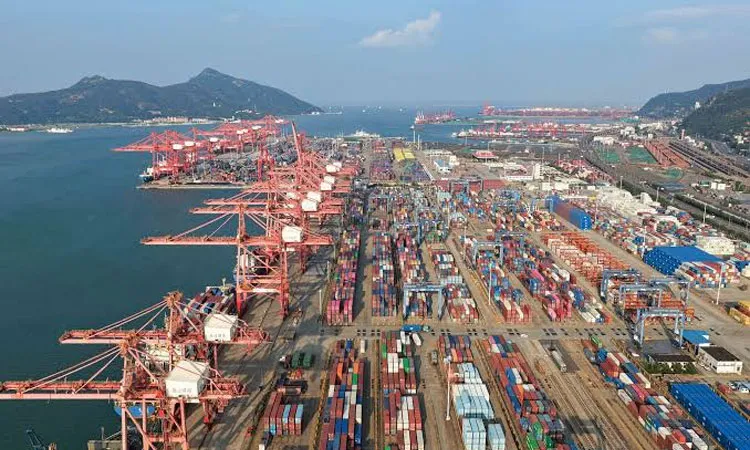
China’s economic growth picked up to 4.5% in the third quarter, driven by roaring exports that offset deep consumer caution at home. The performance puts Beijing on track to meet its full-year growth target of 4.5% to 5.0% without major new stimulus.
However analysts warn that China’s heavy reliance on foreign markets is worsening structural imbalances. While high-tech manufacturing, electric vehicles and foreign shipments are surging, domestic demand remains dangerously weak. The ongoing real estate slump continues to erode household wealth also triggering aggressive price wars and widespread corporate pay cuts.

Stories on the ground illustrate the daily strain. In Hangzhou, an accountant reported her bonus was cut in half while a Ningbo restaurant owner noted customers are cutting back on dining costs. Unemployed workers are increasingly relying on gig work which helps keep the official unemployment rate low at 5.2%, though economists caution this masks deeper labor market distress. Average spending during October’s national holiday fell to a four-year low.

In response, local businesses are pivoting outward. A Chinese motorbike parts manufacturer noted it has almost entirely abandoned domestic sales to focus on doubling export orders in Southeast Asia, citing intense price competition at home.

China remains on track to surpass last year’s $1.2 trillion trade surplus. However this export boom is sparking global pushback. The European Union has already agreed to curb hybrid vehicle imports from China with further trade restrictions expected.

While recent Beijing policy measures such as cheaper credit for tech and infrastructure support the supply side also economists stress that sustainable growth will require direct measures to boost domestic incomes and household consumption.