In a historic political realignment, the Democratic Party has seized majority control of both the US Senate and the House of Representatives in the 2026 midterm elections. The sweeping victories across traditional conservative strongholds signal a decisive public rebuke of President Donald Trump’s second-term policies also driven by widespread voter anxiety over economic inflation, rising fuel costs and the ongoing military conflict with Iran.
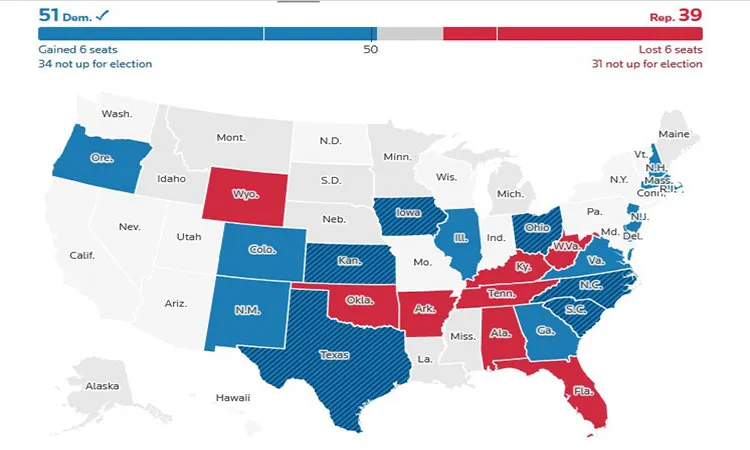
According to election projections the Democrats secured 54 Senate seats and surpassed the 218-seat threshold required to command the House of Representatives. The results usher in a period of divided government in Washington, granting Democrats legislative oversight, subpoena power and authority over federal appointments and judicial confirmations.

Unprecedented Expansion of Muslim Representation
The 2026 midterms marked a watershed moment for Muslim-American political representation with at least seven Muslim lawmakers securing seats in the US Congress. Campaigns frequently focused on healthcare reform, economic equality, civil rights and opposition to unconditional US military aid to Israel amid the humanitarian crisis in Gaza.
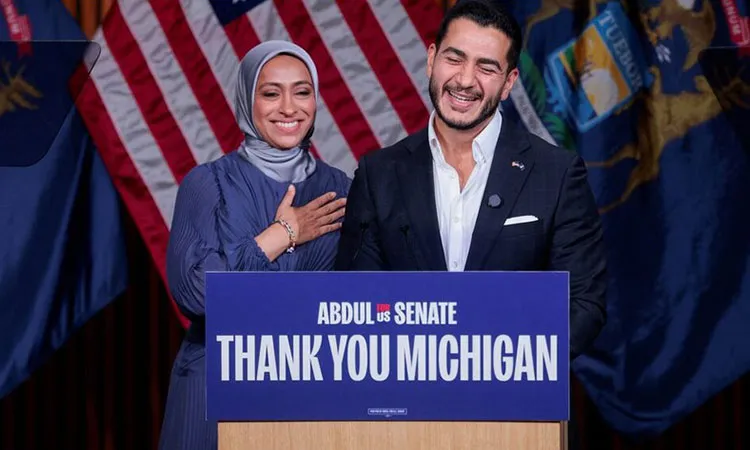
First Muslim US Senator: Progressive Democrat Abdul El-Sayed won Michigan’s open Senate seat, defeating Republican Mike Rogers. A physician, Rhodes Scholar and former public health official, El-Sayed overcame aggressive primary and general election opposition to become the first Muslim elected to the US Senate.
New House Representation: Dr. Adam Hamawy, a plastic surgeon and former US Army combat physician who volunteered in Gaza in 2024 won New Jersey’s 12th Congressional District to become the state’s first Muslim representative. In New York, civil rights investigator Darializa Avila Chevalier secured a House seat after winning her primary earlier this year.
Incumbents Retain Seats: Representatives Rashida Tlaib (Michigan), Ilhan Omar (Minnesota), Andre Carson (Indiana) and Lateefah Simon (California) all successfully won re-election to the House.
Nationwide Firsts in Gubernatorial and Senate Races
The midterm elections delivered historic breakthroughs across state executive offices and federal representation:
First Black Female Governor: Former Atlanta Mayor Keisha Lance Bottoms (Democrat) won the Georgia gubernatorial race, becoming the first Black woman elected governor of any US state and ending over two decades of Republican executive control in Georgia.
First Indigenous Governors & Senators: Former US Interior Secretary Deb Haaland (Democrat) became the first Native American woman elected governor of a US state after winning in New Mexico. In Minnesota, Lieutenant Governor Peggy Flanagan became the first Native American woman elected to the US Senate.
First Latina Governor of Texas: Democrat Gina Hinojosa defeated incumbent Republican Greg Abbott, becoming Texas’s first Latina governor and ending a 30-year Republican streak in the state's top office.
First Black Republican Governor: US Representative Byron Donalds won the Florida gubernatorial race, becoming the first Black Republican governor in US history. In Wisconsin, Democrat David Crowley was elected the state's first Black governor.
First Female Governor of Ohio: Democrat Amy Acton, a physician who led Ohio's COVID-19 pandemic response, defeated Republican candidate Vivek Ramaswamy to become Ohio's first elected female governor and its first Jewish governor.
Historic Senate Diversity: Democrat Juliana Stratton won her Senate race in Illinois. When she takes office in January 2027 she will join Democratic Senators Angela Alsobrooks (Maryland) and Lisa Blunt Rochester (Delaware) with marking the first time three Black women will serve simultaneously in the US Senate.
Shifts in Congressional Power and National Policy
National exit polls revealed that 70% of voters surveyed favored stronger congressional checks and balances on executive power. Voters cited economic inflation, rising gas prices and opposition to foreign interventions as primary drivers of their voting choices.
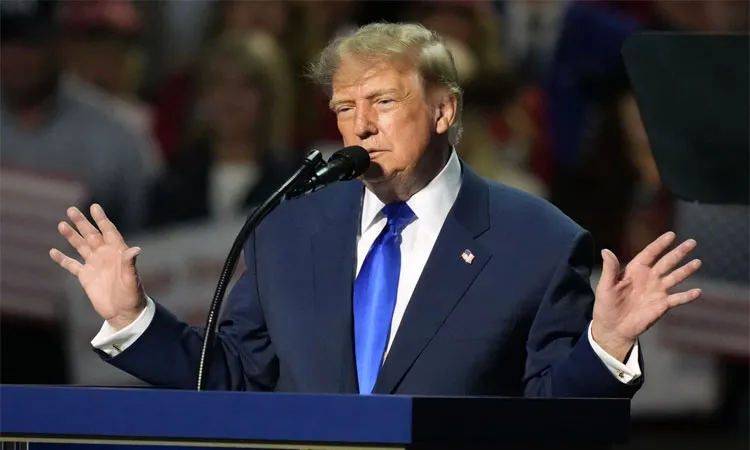
Despite pre-election concerns regarding potential legal challenges, President Donald Trump publicly accepted the election results during a media interview also stating a willingness to work with Democratic majorities on key policy areas while asserting he would veto extreme legislation.
Concurrently, at the Berlin Security Conference, US Ambassador to NATO Matthew Whitaker assured international allies that US foreign policy and Article 5 collective defense commitments under the NATO treaty would remain steady following the shift in legislative power.