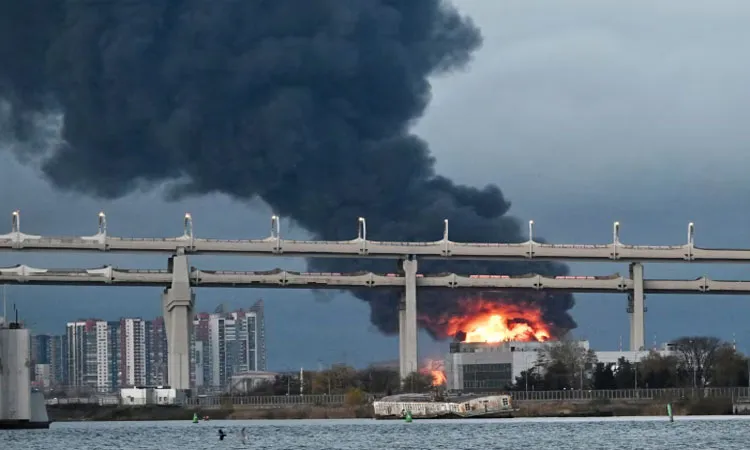
Ukraine has informally suspended its long-range drone strikes on Russian oil refineries following mounting pressure from US President Donald Trump, according to a report by The Wall Street Journal. The temporary pause, which began in mid-October, comes amid heightening diplomatic friction between Washington and Kyiv and growing uncertainty over future US military assistance.
Military sources familiar with Ukrainian operations revealed that long-range strike units were instructed mid-month to halt new missions against Russian energy infrastructure after completing ongoing operations. Ukrainian Defense Minister Evgeniy Khmara reportedly advised President Volodymyr Zelenskyy that suspending refinery strikes was prudent given the sensitive geopolitical climate. Zelenskyy agreed to the temporary pause while maintaining that the military retains full discretion to resume operations if circumstances demand.
The suspension is expected to last through the upcoming November 3 US midterm elections and potentially extend further into November.
US Political Dynamics and Energy Price Pressures The White House pressed Kyiv to suspend refinery attacks to curb rising domestic diesel and fuel prices ahead of the midterms. Trump’s senior adviser Jared Kushner urged Ukrainian officials to observe a 30-day halt as a gesture of goodwill toward diplomatic efforts aimed at ending the war.
In response the Ukrainian officials sought guarantees that Washington would either press Moscow to halt its own strikes on Ukrainian energy infrastructure or provide additional US-supplied Patriot air defense systems. Neither condition yielded a formal agreement. European allies also encouraged restraint from Kyiv, fearing broader instability in global oil markets and further strain between the White House and Ukrainian leadership.
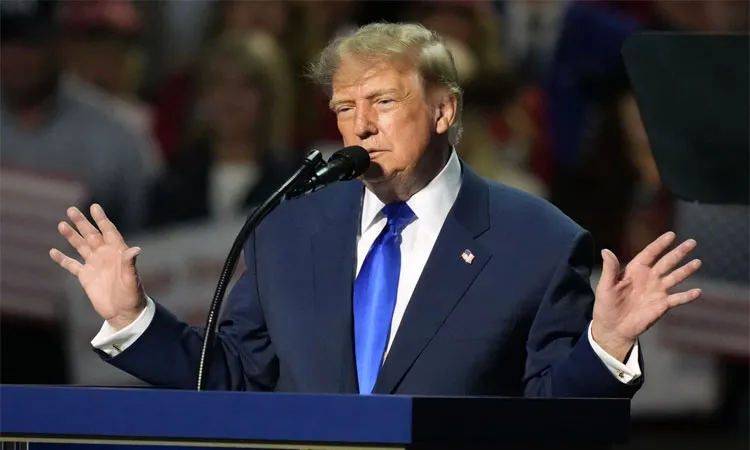
The diplomatic standoff intensified after Trump publicly criticized Zelenskyy on October 10, demanding an immediate end to Ukrainian strikes on Russian oil infrastructure. Trump’s remarks coincided with efforts to ease certain sanctions affecting Moscow to facilitate increased purchases of Russian diesel, raising concerns in Kyiv that Washington is relaxing economic pressure on Russia while restricting Ukraine’s military posture.
Continued Russian Aggression Highlights Asymmetry While Ukraine observes the informal pause, Russian forces have continued their relentless campaign of missile and drone strikes against Ukrainian urban centers and energy grids ahead of winter.
On October 29, Russian forces launched widespread attacks across several Ukrainian cities:
Dnipro: A Russian drone struck a crowded railway platform, killing at least 14 civilians.
Kyiv: A late-night ballistic missile strike resulted in at least one fatality.
Chernihiv and Kremenchuk: Sustained bombardment inflicted severe damage on critical municipal infrastructure.
The ongoing Russian offensive underlines the lack of a reciprocal agreement to protect Ukrainian civilian and energy infrastructure in exchange for Kyiv's restraint.
Geopolitical Vulnerabilities and Strategic Dilemmas
Ukraine's domestically developed long-range drone program has served as an essential strategic counterweight, allowing Kyiv to inflict severe economic and logistical costs deep within Russian territory without relying on Western long-range weaponry.
However, Ukraine’s heavy reliance on US military aid, satellite intelligence and defensive hardware leaves it highly susceptible to political leverage from Washington. Recent operational friction coincided with temporary disruptions to SpaceX's Starlink satellite internet network which critical Ukrainian drone and air-defense units rely upon before service was restored.
While Trump has attributed global diesel price spikes to Ukrainian refinery strikes, energy market analysts emphasize that broader geopolitical conflicts with ongoing instability in the Middle East—remain the primary drivers of global fuel volatility.
The unilateral pressure on Kyiv to exercise restraint while Moscow continues its offensive raises significant concerns regarding the long-term stability of the region.