For decades the investors have relied on US Treasuries, gold and major currencies to shield their portfolios when stock markets tumble. However, recent global selloffs show that these traditional "safe-haven" assets no longer offer reliable protection during crises.
"You're running out of safe-haven fingers to count on" said Steve Englander, head of North America macro strategy at Standard Chartered Bank.
When US tariff fears sparked a stock selloff in April 2025, US Treasuries failed to provide their usual cushion, falling alongside equities. A similar pattern followed the outbreak of the US-Israeli war with Iran in February as surging oil prices and inflation fears pushed bond yields higher.
While Treasuries remain the world's largest and most liquid market, macro strategists note they lose appeal when inflation or geopolitical risks dominate. Duke University finance professor Campbell Harvey pointed out that stocks and bonds increasingly move in the same direction, battering traditional 60/40 portfolios. He added that massive US borrowing including $40 trillion in debt and $2 trillion in annual deficits has introduced new risks to government bonds.
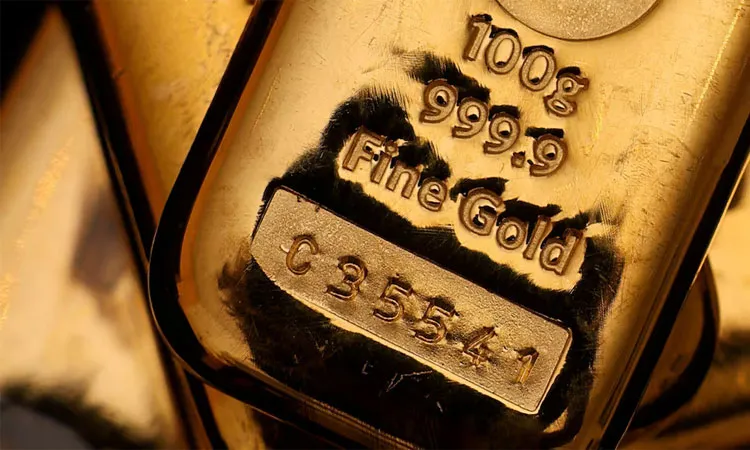
Gold has proven equally unpredictable in the short term. In late October the gold sank alongside stocks to hit a one-year low. According to Suki Cooper the global head of commodities research at Standard Chartered, investors often sell gold to cover margin calls during sharp equity drops. While central-bank buying and debt concerns support gold over the long run, Harvey warned that its short-term volatility rivals that of the stock market.
Major currencies also face drawbacks. The Swiss franc is expensive, the euro faces political and economic hurdles and the Japanese yen remains vulnerable to rising oil prices due to Japan's reliance on imported energy. Englander noted that the US dollar, backed by roughly 4.5% Treasury yields the remains the safest option largely "by default."
Ultimately the experts warn that no single asset acts as a guaranteed all-weather shield. To protect against future downturns, Harvey recommends combining Treasuries and gold with inflation-adjusted bonds, commodities and active trading strategies rather than relying on one traditional refuge.