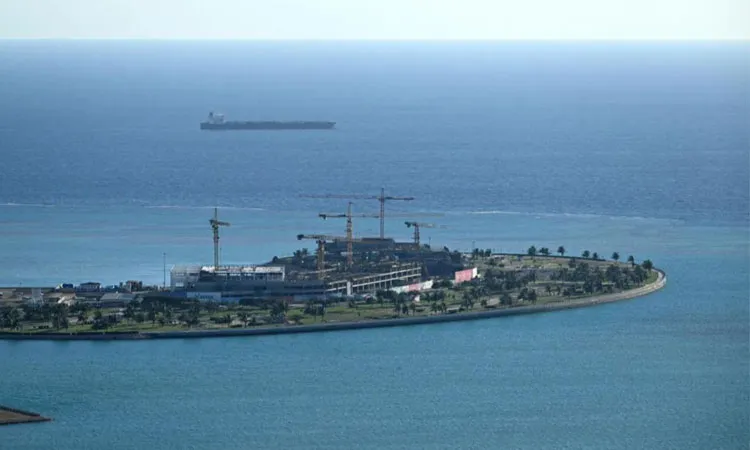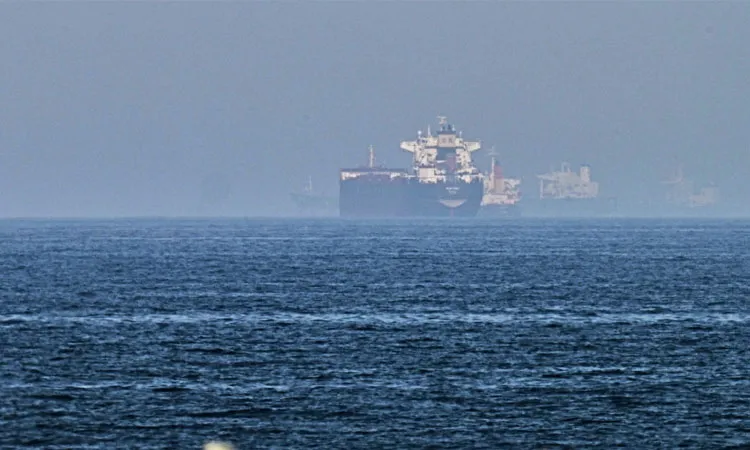
Iran has agreed with Oman to open a temporary route through the Strait of Hormuz is expected to run for two to four months also with the possibility of extension as Iran's Deputy Foreign Minister Kazem Gharibabadi said. He noted the arrangement reflects uncertainty over future conditions in the vital waterway.
Alongside this, Iran has warned Gulf states that any renewed US attack on its territory would trigger retaliation against regional energy infrastructure with according to five sources familiar with the matter. The warning followed President Donald Trump's July 28 threat to strike Iran's energy network.
Iranian Foreign Minister Abbas Araqchi reportedly contacted his Saudi, Turkish and Qatari counterparts urging them to persuade Washington against military action. Sources said Iran's message was consistent and it is ready to retaliate but prefers a diplomatic resolution to avoid wider regional escalation.
One Gulf official said Iran's threat specifically named energy facilities as retaliation targets. Saudi Crown Prince Mohammed bin Salman later urged Trump to delay any strike and pursue negotiations instead. Qatar, Oman and Saudi Arabia have all pushed Washington to resume talks with Tehran.
While seeking diplomacy, Saudi Arabia also made clear it would respond militarily if attacked itself. Analysts suggest Riyadh favors a mix of measured military pressure and diplomatic engagement.
Iran's warning referenced the 2019 Aramco attacks, which crippled half of Saudi Arabia's oil production as a reminder of regional vulnerability.
Trump said on August 2 that he had agreed to cancel a planned strike "subject to being able to rapidly make a deal" though tensions remain unresolved.