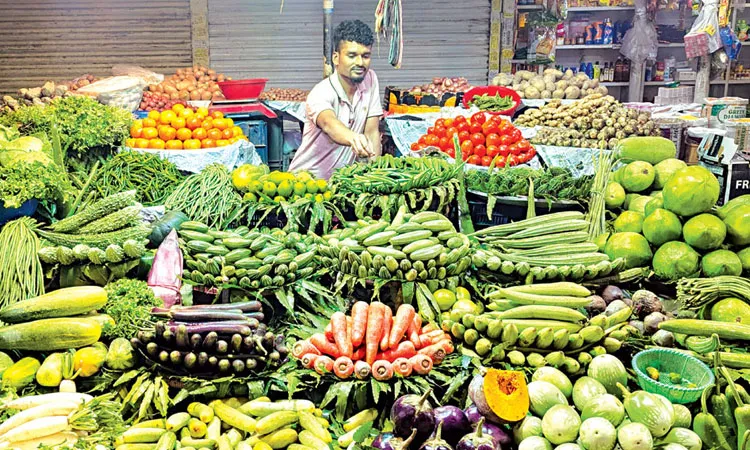
Essential commodities may soon become more expensive, further straining household budgets, as the government plans to double the tax at source on local procurement and imports in the upcoming national budget.
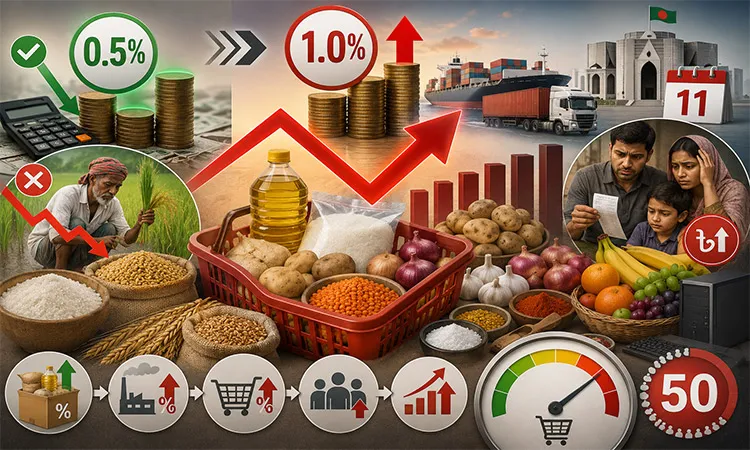
Currently, the source tax on essential goods is 0.5%. According to finance ministry sources, this rate is expected to rise to 1.0% in the budget for the next financial year, which will be placed in parliament on June 11, 2026.
Officials confirmed that all fiscal proposals are scheduled to be placed before the Prime Minister today (Thursday) for final approval.

A Reversal of Previous Relief Measures
In the current budget, the government halved the source tax from 1.0% to 0.5% to help lower the prices of daily necessities, including sugar, soybean oil, paddy, wheat, potatoes, and onions. Prior to that, the interim government had also reduced the source tax on the supply of agricultural goods to ease the financial burden on marginal farmers and suppliers.
The rationale behind the tax cut was clear: officials acknowledged that while source tax on essential imports does not significantly boost national revenue, unscrupulous traders frequently use it as an excuse to artificially inflate retail prices.
Persistent Inflationary Pressure
Despite the government's previous tax cuts and expectations of price drops, commodity markets remained volatile. Prices did not decline over the past year. In fact, Bangladesh is currently enduring a grueling stretch of high inflation, persisting for 50 consecutive months—a record duration of economic pressure on consumers.
The proposed tax hike will affect a wide range of daily items, including paddy, wheat, potatoes, onions, garlic, lentils, spices, edible oils, salt, sugar, fruits, and even computers and computer parts.
Expert Warning: Passing the Burden to Consumers
Tax experts warn that reversing the tax cut will directly harm consumers. Speaking to the media, tax expert Snehasis Barua explained that as corporate entities increasingly manage the supply chains for essential commodities, they face significant fiscal hurdles, such as the frequent inability to deduct tax at source (TDS) during procurement.
"This limitation forces companies to gross up taxes, inherently driving up the cost of goods," Barua explained. "To mitigate this, the minimum tax on gross receipts on the sale of essentials should have been reduced to align with the prevailing TDS rate."
Instead, under the newly proposed structure, businesses will be subjected to a compounding dual burden: a 1.0% TDS on purchases and a 1.0% minimum tax on sales.
"Inevitably, this compounding tax is passed directly to the consumer, pouring fuel on the fire of already unabated inflation," Barua warned.