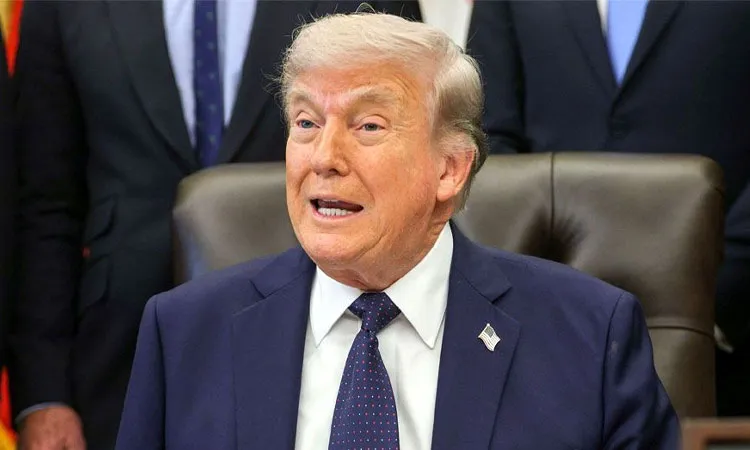
US President Donald Trump has ordered new 50% tariffs on various Canadian goods citing "discriminatory treatment" by Ottawa against American alcohol dairy and automobile products.
The duties will take effect in 30 days and apply to items such as wine hockey sticks, and cement. While energy and potash are exempt the tariffs will notably impact products covered under the US-Mexico-Canada Agreement (USMCA). To implement these tariffs the Trump administration is utilizing Section 338 of the Tariff Act of 1930 a legally untested provision.
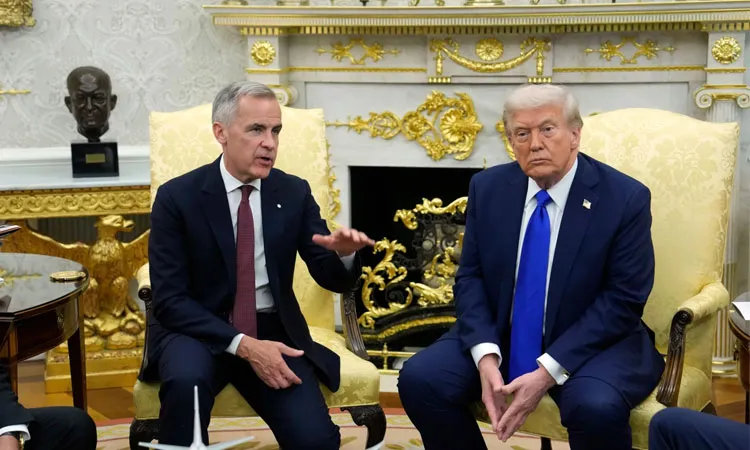
Canadian Prime Minister Mark Carney called the unilateral tariffs a direct violation of the USMCA. However, he emphasized that Ottawa is prepared to "intensify" negotiations to resolve the dispute. The White House argued the tariffs are necessary to hold Canada accountable claiming Canadian provinces halted US alcohol purchases gave European dairy products better market access and capped certain US vehicle exports. The announcement also reiterated the administration's recent controversial calls to annex Canada as America's "51st state".
Trade experts suggest the unprecedented use of Section 338 is a deliberate strategy to gain leverage over Canada in ongoing USMCA negotiations. Meanwhile US industry leaders warn that escalating the trade dispute risks further retaliation which could financially harm American businesses.