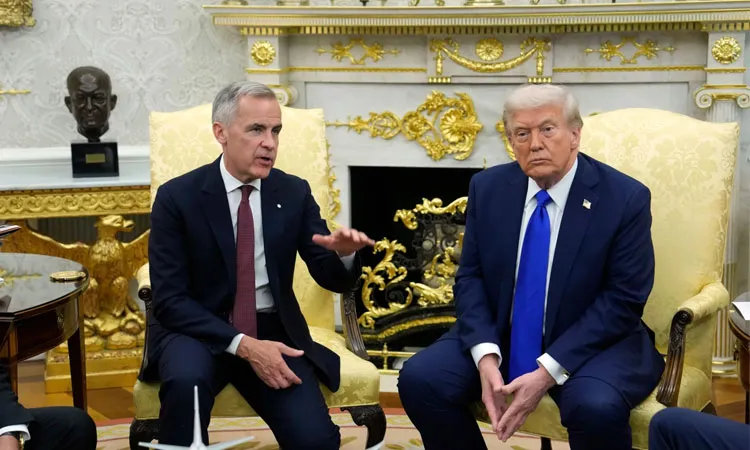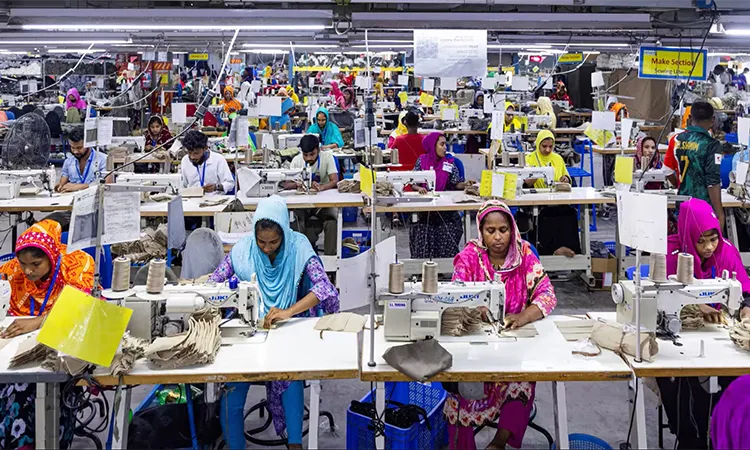
Bangladesh’s ready-made garment (RMG) exports to the United States fell by nearly 11% year-on-year in October. Industry experts attribute the decline to new, higher tariffs imposed by the Trump administration, which have dampened consumer demand and disrupted global buying patterns.
The downturn is part of a broader contraction in the US apparel market. Data from the Office of Textiles and Apparel (Otexa) shows that total US apparel imports plummeted by 19% in October as rising import duties pushed up retail prices for American consumers.
Since August, Bangladeshi apparel has faced an additional 20% duty, bringing the total tariff burden to 36%. While significant, this remains lower than the rates faced by China and India, which saw their October exports to the US plunge by 53% and 29%, respectively.
Shehab Udduza Chowdhury, Vice-President of the Bangladesh Garment Manufacturers and Exporters Association (BGMEA), told reporters that the tariffs have directly fueled inflation. "Higher prices mean consumers are buying less. Someone who previously bought five garments may now only buy three," he explained.
Beyond price hikes, frequent policy changes in Washington have created a climate of uncertainty. BGMEA officials noted that many US buyers rushed orders before the August 7 tariff deadline, leading to the sharp drop in subsequent months. Buyers are now reportedly avoiding long-term stocks to minimize risk.
"This could eventually lead to a crisis in the US supply chain, potentially triggering even higher prices for consumers," Chowdhury warned.
Despite the October slump, Bangladesh has fared better than its primary competitors over the long term. For the first ten months of 2024 (January–October), Bangladesh's exports to the US still grew by 15%, whereas China’s exports fell by 32% in the same period.