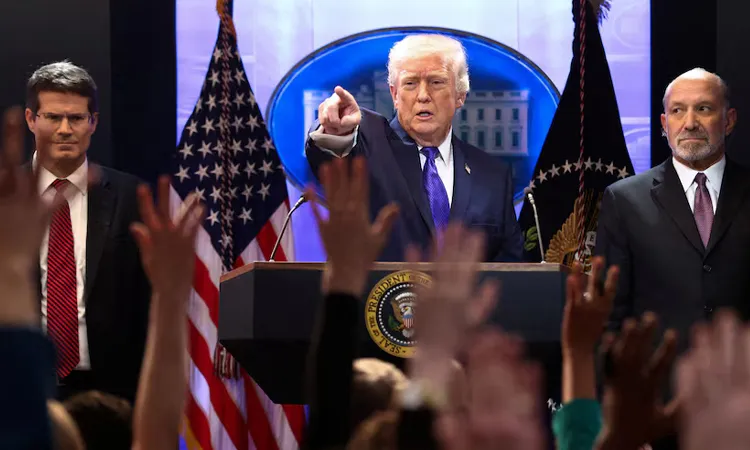
Donald Trump has announced a new 10% global tariff on imports, hours after the U.S. Supreme Court struck down most of his previous tariff regime, ruling that he had exceeded his constitutional authority.
In a 6–3 decision, the court said the president could not use the 1977 International Emergency Economic Powers Act (IEEPA) to impose broad import tariffs, as the law does not explicitly grant tariff-setting powers.
Chief Justice John Roberts wrote that when Congress delegates tariff authority, it does so clearly and with strict limits. The ruling was supported by the court’s three liberal justices and two conservative justices appointed by Trump—Amy Coney Barrett and Neil Gorsuch. Three conservatives dissented.
The judgment marked a major win for US states and businesses that challenged the tariffs, raising expectations of refunds potentially worth billions of dollars. However, Trump warned that any refunds would be delayed by lengthy legal battles, likely lasting years, and said the issue would move to the Court of International Trade.
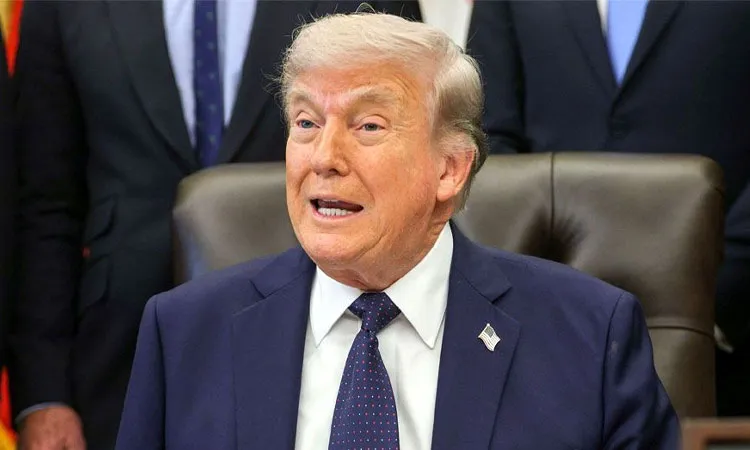
Reacting angrily, Trump called the ruling “terrible” and criticised the justices who voted against him, including Republican appointees, accusing them of being “unpatriotic.” Speaking at the White House, he vowed to pursue tariffs through alternative legal tools, arguing they are essential to boost US manufacturing and investment.
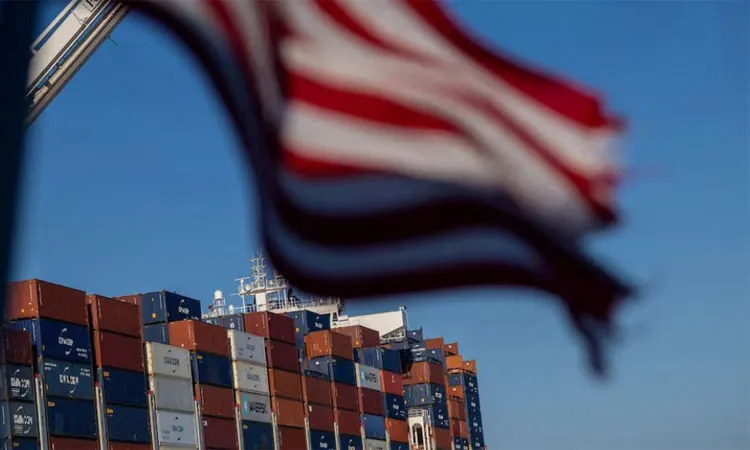
On Friday, Trump signed a proclamation imposing a new 10% global tariff under Section 122, a rarely used law that allows temporary tariffs of up to 15% for 150 days unless Congress intervenes.
The new tariff will take effect on 24 February. It includes broad exemptions for certain minerals, fertilisers, pharmaceuticals, some agricultural goods, electronics and vehicles, though many exemptions lack detailed definitions.
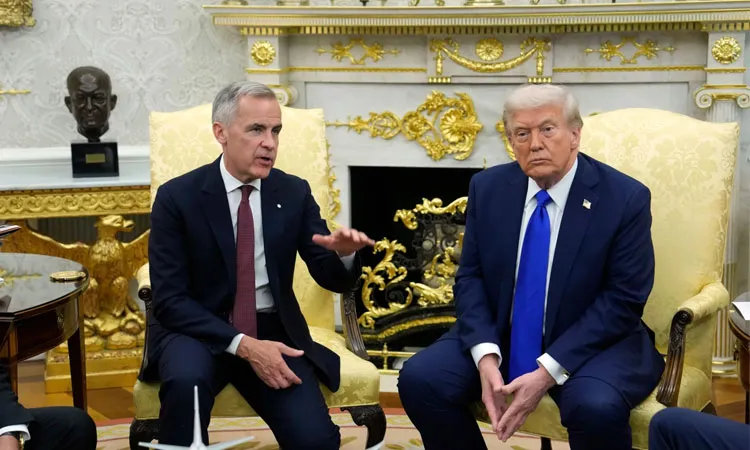
Canada and Mexico will continue to enjoy exemptions for most goods under the USMCA. Countries with existing US trade deals, including the UK, India and the EU, will now face the uniform 10% tariff instead of previously negotiated rates, while still being expected to honour past concessions.
Financial markets responded positively to the court ruling, with the S&P 500 rising about 0.7%. Many businesses welcomed the decision but cautioned that refunds may be slow and costly to pursue through litigation.
Analysts warned that the overall trade environment has become more uncertain, as the White House considers other tariff authorities such as Sections 232 and 301, which were not affected by the ruling.