Global oil prices surged and stock markets fell sharply on Monday as escalating US–Israeli military strikes on Iran triggered fears of severe disruption to the world economy.
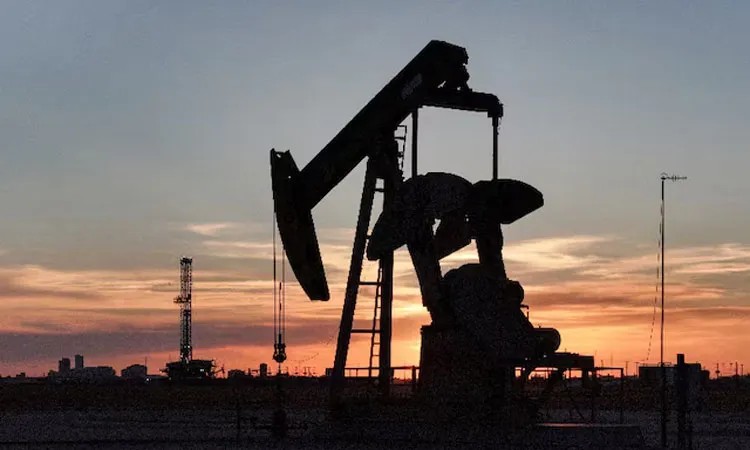
Brent crude prices jumped by as much as 13% in early trading, briefly crossing $82 a barrel, the highest level in more than a year. Prices later eased slightly but remained elevated at around $78, still up about 6% on the day.

The rally was driven by growing concerns that the Strait of Hormuz—through which about 20% of global oil and liquefied natural gas (LNG) flows—has effectively been closed following threats and attacks on shipping.
European stock markets declined sharply: London’s FTSE 100 fell 1%, Germany’s DAX dropped 1.6%, France’s CAC 40 lost 1.5%, Italy’s FTSE MIB slid 1.8% and Spain’s IBEX fell 2.4%
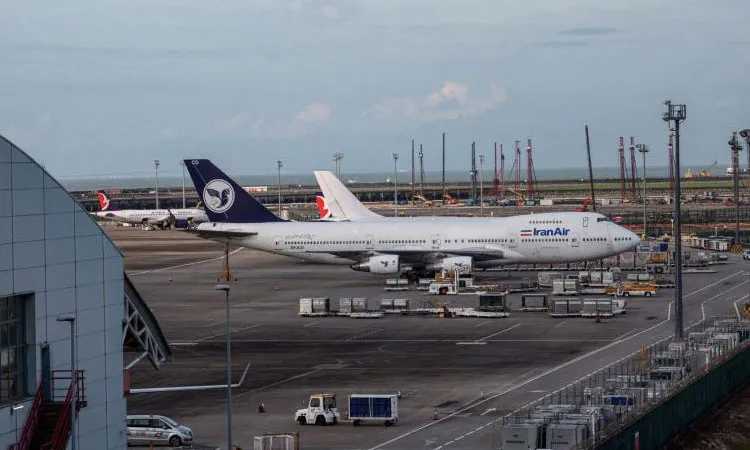
Airline stocks were among the worst hit, with International Airlines Group and easyJet falling as flights were cancelled across the region.

In contrast, oil and defence stocks gained. Shares of BP and Shell rose, while defence firm BAE Systems climbed as investors sought safe-haven assets.
Asian markets also weakened. Japan’s Nikkei 225 fell nearly 2.4%, while China’s Shenzhen Composite declined 0.7%. Wall Street futures signalled a lower opening.
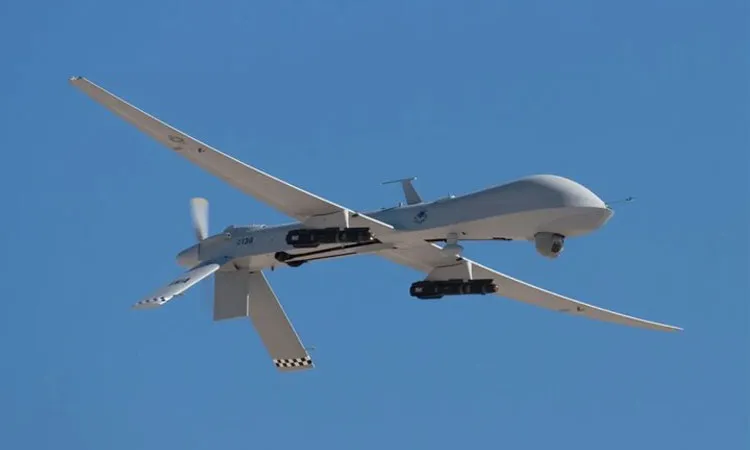
Energy markets were hit by a series of shutdowns: QatarEnergy halted LNG production after drone attacks on facilities at Ras Laffan and Mesaieed. Saudi Arabia temporarily shut parts of its Ras Tanura refinery, the world’s largest oil export terminal, following a drone strike. Major gas fields offshore Israel, including Leviathan, were shut as a precaution. Oil production in Iraqi Kurdistan was suspended. Explosions were reported near Kharg Island, which handles 90% of Iran’s crude exports.
Qatar alone supplies about 20% of global LNG, meaning any prolonged disruption could significantly impact energy prices in Asia and Europe.
Shipping Crisis and Global Warnings
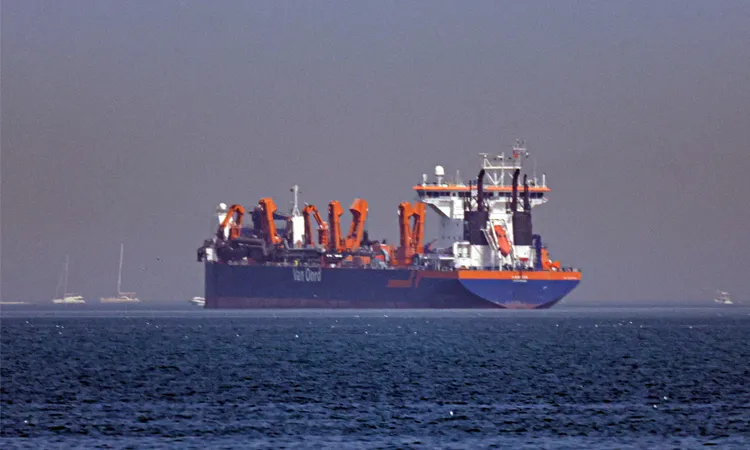
Multiple tankers were attacked near the Strait of Hormuz. The International Maritime Organization urged ships to avoid the area. Shipping giant Maersk suspended transit through both the Hormuz Strait and the Suez Canal due to safety risks.
The OPEC+ had agreed to raise output modestly, but analysts warned that additional supply cannot reach markets while shipping lanes remain blocked. Iran produces about 4.5% of global oil, amplifying market anxiety.
Inflation and Fuel Price Fears
Gold prices rose 2.5%, reflecting investor flight to safe assets. In the UK, the RAC warned that petrol prices could rise sharply, potentially reaching 150p per litre if oil hits $100 a barrel.
Analysts cautioned that unless shipping through Hormuz resumes soon, oil prices could exceed $100 per barrel, triggering higher inflation, energy shortages, and slower global growth.