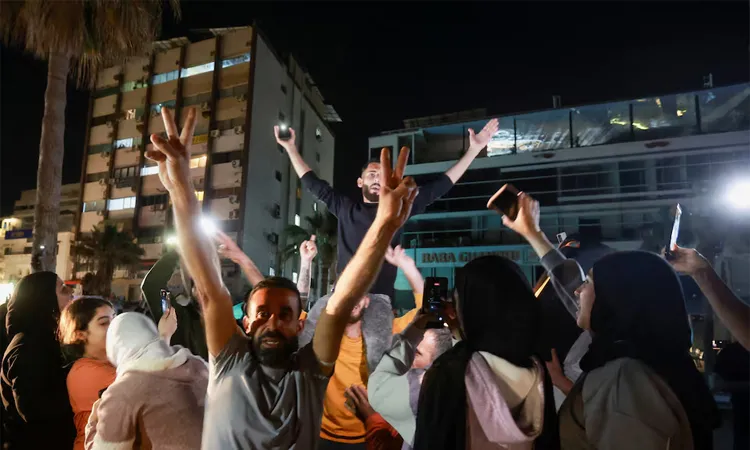
A fragile 10-day ceasefire between Israel and Hezbollah took effect at midnight on Thursday marked by celebratory gunfire in Beirut and a surge of diplomatic optimism from the White House.
US President Donald Trump announced that a meeting with Iranian officials could occur as early as this weekend suggesting a major conflict that began in late February may be nearing a resolution.

The ceasefire aims to halt the spillover conflict in Lebanon, which ignited on March 2 following the outbreak of the US-Israeli war with Iran. While the streets of Beirut saw celebrations, the truce remains precarious. The Lebanese Army reported intermittent Israeli shelling in southern villages early Friday, which Israel defended as a response to continued militant activity. President Trump has publicly urged Hezbollah to "act nicely," framing this period as a "GREAT moment" to secure lasting peace.
Nuclear Diplomacy and the "Islamabad Process"
The broader focus remains on Iran. President Trump revealed that Tehran has offered to freeze its nuclear weapons ambitions for over 20 years, a significant shift from previous negotiations. Key developments include:
Nuclear Compromise: Sources suggest Tehran may consider shipping part of its highly enriched uranium (HEU) stockpile out of the country.
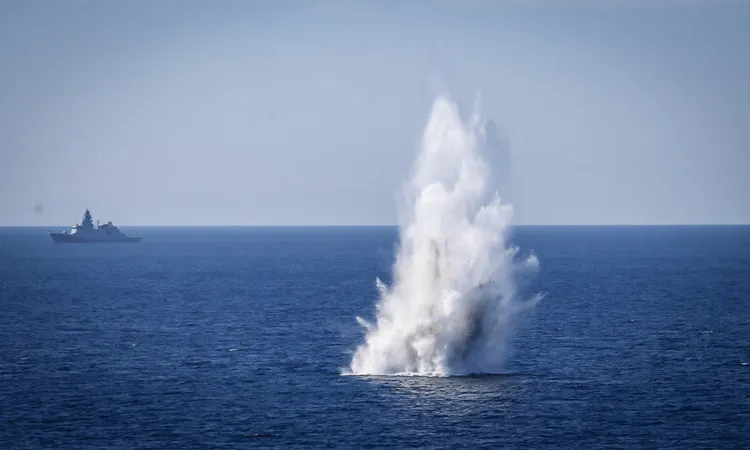
Economic Stakes: A deal is seen as the primary solution to reopening the Strait of Hormuz, which has been blockaded, causing historic oil price spikes and global recession fears.
Mediation: Pakistani Army Chief Asim Munir is credited with a breakthrough on "sticky issues" following a visit to Tehran on Wednesday.
President Trump expressed confidence that a deal would lower inflation and prevent a "nuclear holocaust." He confirmed "excellent conversations" with Israeli Prime Minister Benjamin Netanyahu and Lebanese President Joseph Aoun, with plans to host both leaders at the White House within the next two weeks.

If a final accord is reached, the President indicated he might travel to Islamabad for the formal signing. However, the stakes remain high; US Defense Secretary Pete Hegseth warned that troops are poised to resume combat operations should diplomacy fail to produce a permanent agreement.