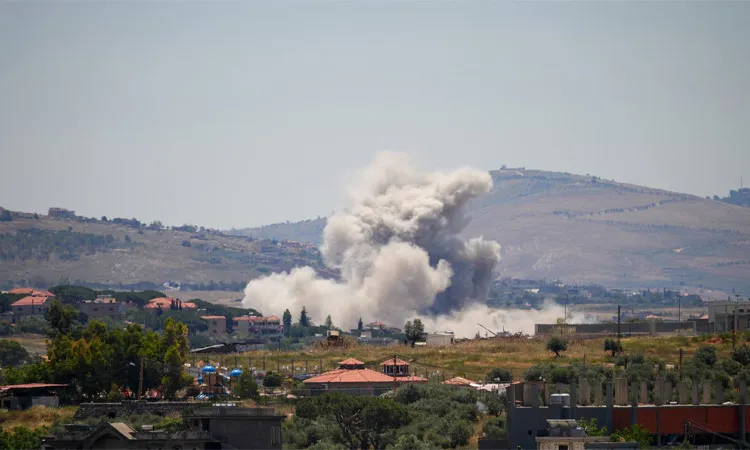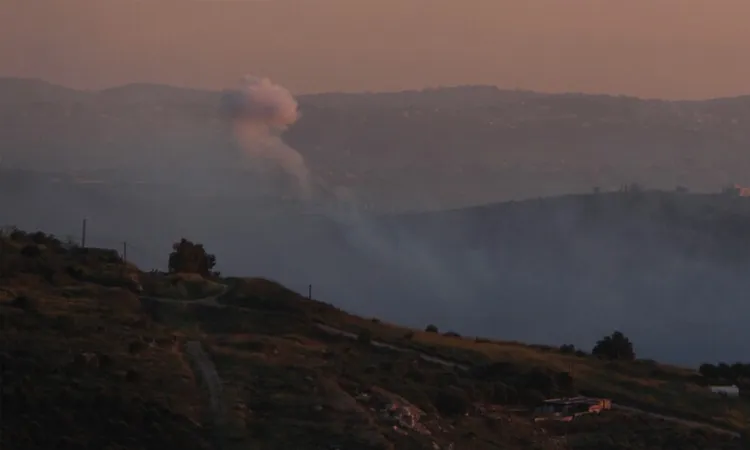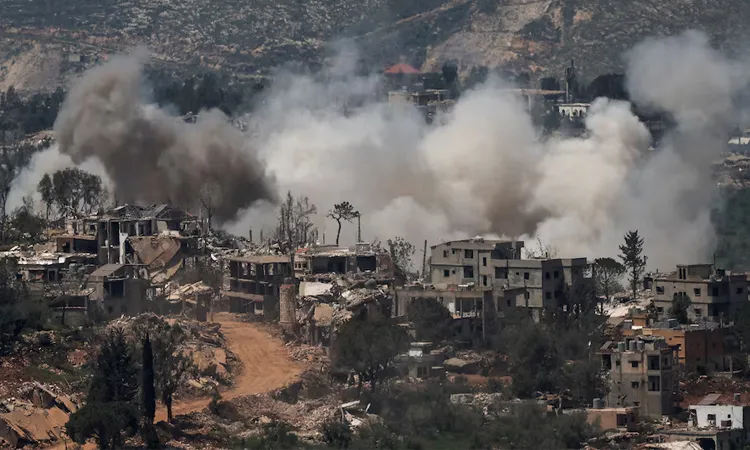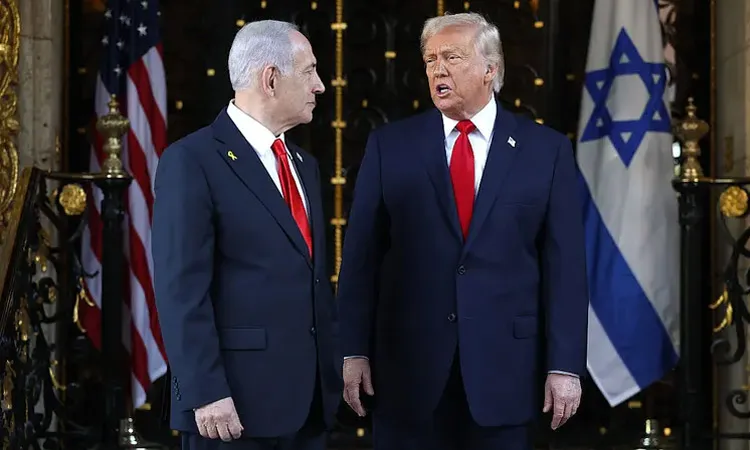
US President Donald Trump reportedly lashed out at Israeli Prime Minister Benjamin Netanyahu in an expletive-laden phone call on Monday, furious that continued Israeli strikes in Lebanon are jeopardizing Washington’s peace negotiations with Iran.
While Trump publicly described the conversation as "very productive," behind closed doors he severely scolded the Israeli leader. US officials familiar with the call revealed that Trump used heavy profanity, telling Netanyahu that his military actions were isolating Israel on the global stage.
"You're crazy," Trump told Netanyahu, according to an official summary of the call leaked to Axios. "You’d be in prison if it weren’t for me. I’m saving your ass. Everybody hates you now. Everybody hates Israel because of this."
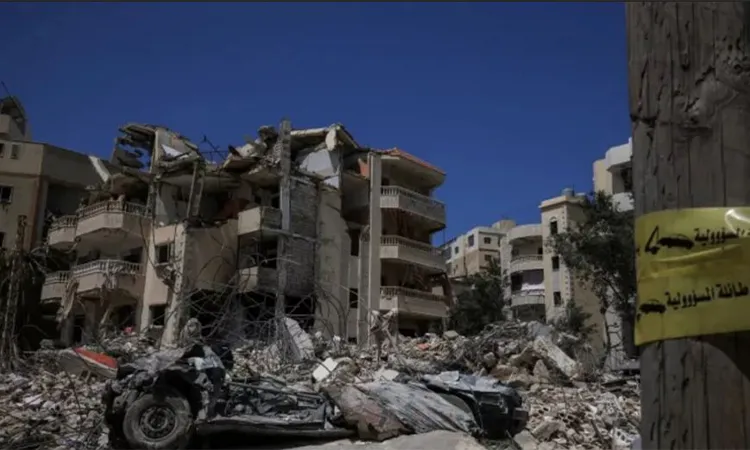
Sources stated that Trump was particularly angry about the mounting civilian death toll in Lebanon. A US official noted that the president strongly objected to the Israeli military strategy of leveling entire apartment buildings to target a single Hezbollah commander. Trump viewed the scale of Israel’s operations as highly disproportionate.
Diplomatic Glitch and Mixed Signals
The urgent US intervention followed a sharp diplomatic warning from Tehran. Earlier on Monday, Iran's semi-official Tasnim news agency reported that the Iranian government was prepared to suspend its indirect peace negotiations with the United States. This came after Netanyahu ordered heavy airstrikes on a Hezbollah stronghold in Beirut.
Iranian Foreign Minister Abbas Araghchi clarified that the separate US-Iran truce signed in April was a comprehensive agreement. "The ceasefire between Iran and the US is unequivocally a ceasefire on all fronts, including in Lebanon," Araghchi stated on social media, holding Washington and Israel responsible for any breach.
Following the heated exchange, Trump actively sought to salvage the diplomatic track. Speaking to ABC News about the status of the Iranian talks, Trump admitted there was a "little glitch," but claimed he "turned that one around very quickly." He later posted on Truth Social that regional negotiations were moving forward at a "rapid pace."
The Fragmented Ceasefire Agreement
By late Monday afternoon, a fragile patch-work truce framework emerged, though internal friction remains high across all parties. The Lebanese Embassy in Washington issued a statement confirming that Hezbollah accepted a US proposal for a reciprocal cessation of attacks. Under these terms, Israeli strikes on Beirut's southern suburbs would stop in exchange for Hezbollah refraining from launching rockets into Israel. Trump reportedly called the Lebanese ambassador to confirm that Netanyahu had agreed to the arrangement, noting that US troops heading toward Beirut had been turned back.
However, Netanyahu issued a separate public statement that complicated the US announcement. While acknowledging the call, the Israeli Prime Minister insisted that Israeli forces would continue to operate "as planned" in southern Lebanon. He emphasized that he told Trump directly: "If Hezbollah does not cease attacking our cities and citizens, Israel will attack terror targets in Beirut."
Netanyahu also faces immense pressure from his own governing coalition. Following Trump’s announcement, Israel’s far-right National Security Minister Itamar Ben-Gvir publicly challenged the Prime Minister on social media, arguing that military operations must intensify. "This is the time to tell our friend, President Trump—'no'," Ben-Gvir wrote.