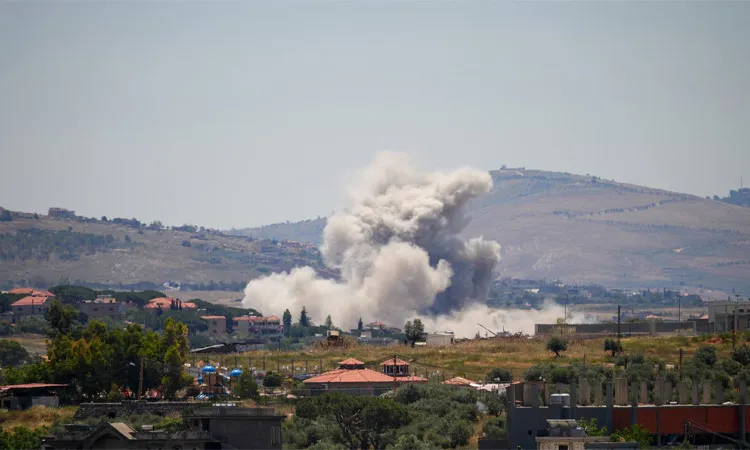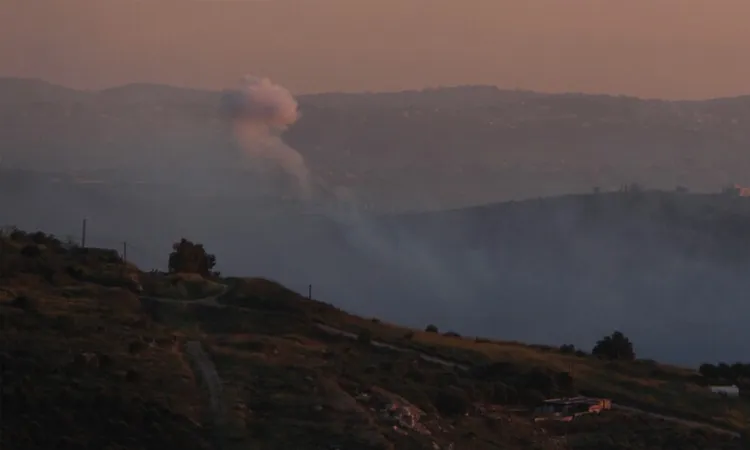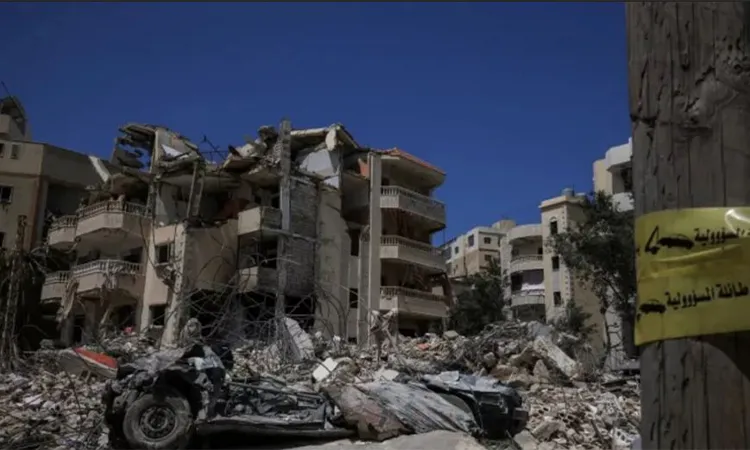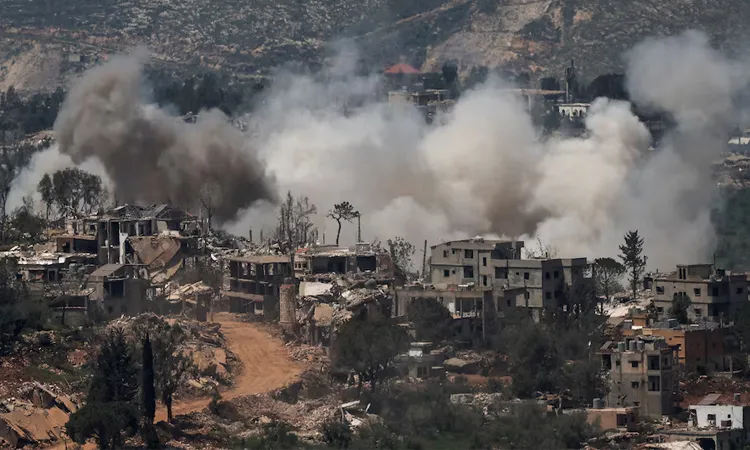
The Israeli military launched a wave of airstrikes targeting Hezbollah infrastructure in Lebanon’s Beqaa Valley and southern regions on Monday. This marks the first time in three weeks that Israel has struck the Beqaa Valley, signaling a dangerous breakdown in the fragile ceasefire.
The Israel Defense Forces (IDF) stated the raids were a response to repeated attacks by the Iran-backed group, including a deadly drone strike on Sunday that killed an IDF soldier and wounded six others. In the south, the towns of Tibnin and Yater were also hit, with Lebanese state media reporting at least three people wounded.
The strikes come amid a deepening political rift in Beirut. Lebanese President Joseph Aoun condemned Hezbollah, accusing the group of waging a war that serves "foreign interests" rather than Lebanon's.

"Betrayal is carried out by those who take their country to war for others," Aoun told a delegation, defending direct talks with Israel aimed at a potential peace deal.
Conversely, Hezbollah leader Naim Qassem rejected the negotiations as a "grave sin" and vowed the group would not disarm. Reports also surfaced that Hezbollah is threatening a return to suicide bombings against Israeli troops in southern Lebanon.
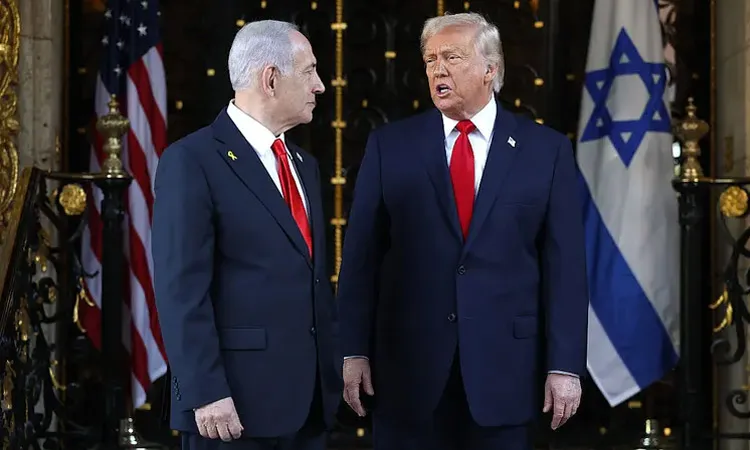
The current truce, recently extended by US President Donald Trump until mid-May, allows Israel to respond to "imminent or ongoing attacks." However, the escalating violence has led local leaders in northern Israel to shut down schools as a security precaution.
As the IDF reports capturing a large cache of Hezbollah weapons—including explosive-laden drones and anti-tank devices—the prospect of the ceasefire holding appears increasingly slim.