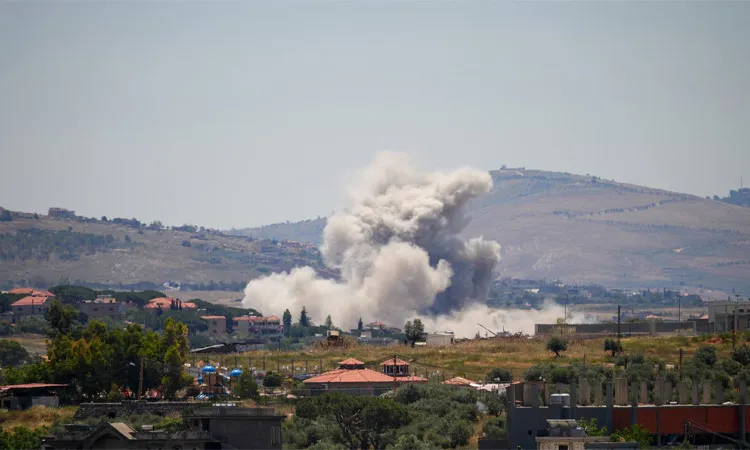
Lebanon has proposed "pilot" security zones including Beaufort Castle, recently captured by Israeli forces as part of a new ceasefire framework, Lebanese President Joseph Aoun said. Under the plan, Israeli troops would withdraw from these zones, which would then fall under exclusive Lebanese army control.
However, Israeli Defence Minister Israel Katz announced hours later that the Israel Defense Forces (IDF) would continue ground operations in southern Lebanon and would not withdraw including from Beaufort Castle. He also said displaced civilians would not yet be allowed to return.

"The IDF will continue its fire and ground operations, remain in the security zone up to the yellow line including the Beaufort area and continue dismantling terrorist infrastructure," Katz said in a statement.
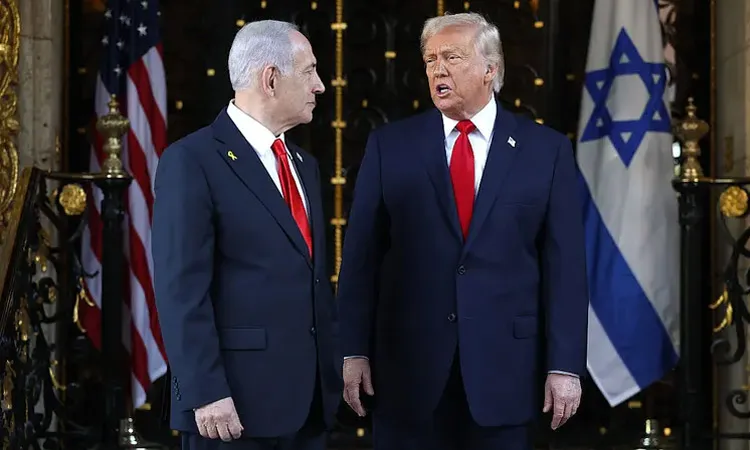
He added that Israel retained the freedom to strike Beirut "with American backing" if fire continues on Israeli communities.
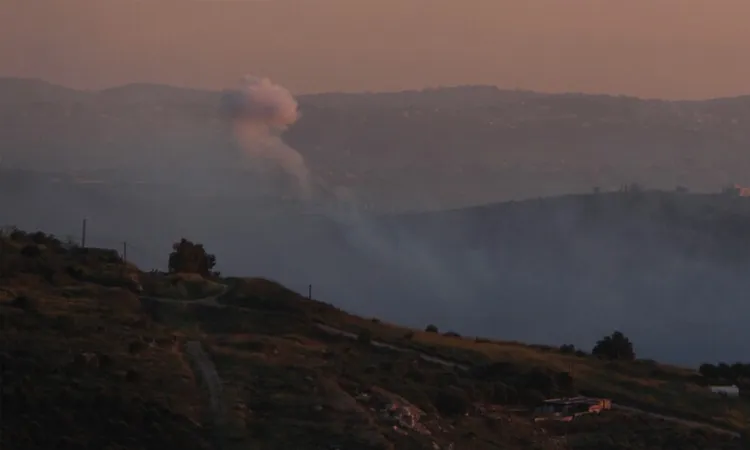
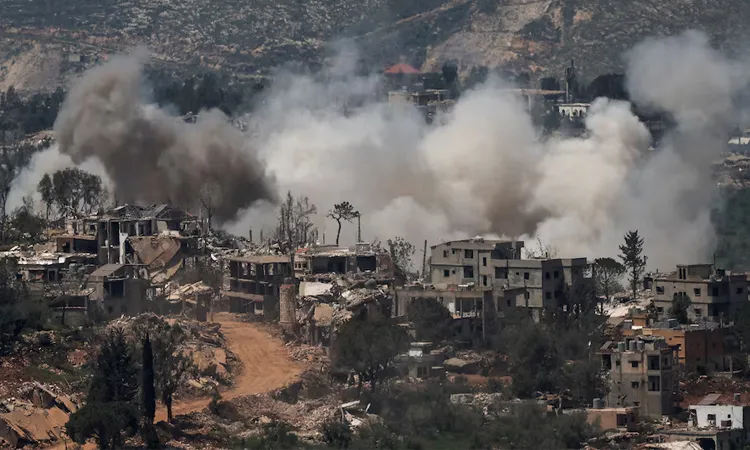
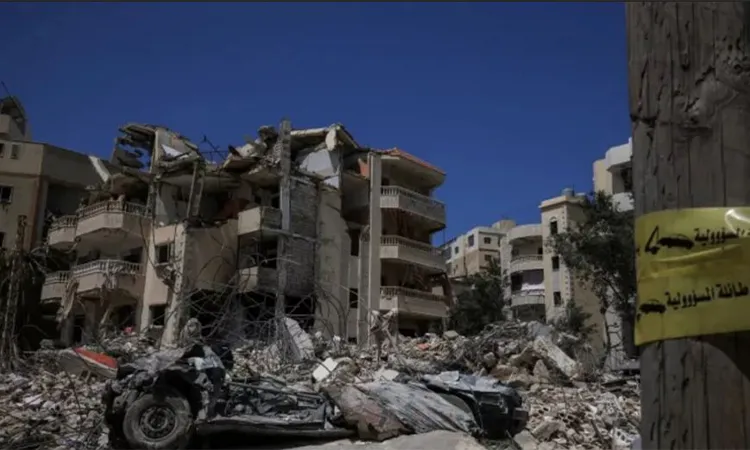
The IDF separately warned residents to stay north of the Zahrani River, as fighting continued. Lebanon's National News Agency reported multiple casualties from Israeli strikes in the southern Tyre and Nabatieh areas.
The military escalation follows a conditional ceasefire agreement reached a day earlier, after a fourth round of talks in Washington. The truce backed by the United States requires a full halt to Hezbollah fire and would establish security zones south of the Litani River from which the Iran-aligned group's fighters would be banned. A joint US-Israel-Lebanon statement said the deal calls for "the evacuation of all Hezbollah operatives" from that area, with the Lebanese army assuming full control.
Hezbollah has not commented publicly on the agreement. The group did not take part in the talks and has firmly opposed them. A Hezbollah official told Agence France-Presse on Tuesday the group would "not accept a partial ceasefire."