The Bangladesh government plans to increase its solar power capacity to 10,000MW within its current term to reduce reliance on imported fuels and ease the strain on foreign exchange reserves. According to the Bangladesh Power Development Board (BPDB) and the Power Cell, the national installed solar capacity currently stands at just 797MW.
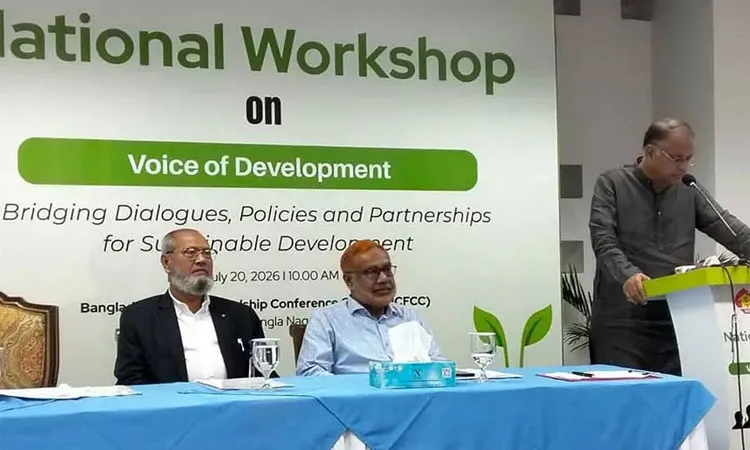
Speaking at a national workshop in Dhaka, Power Minister Iqbal Hassan Mahmud Tuku urged non-governmental organisations (NGOs) to lead new investments in renewable energy. He advised NGOs to shift away from grant-dependent models in favour of profitable, business-driven initiatives like cluster-based rural rooftop solar systems and solar-powered irrigation.
Financing for these projects is readily available; concessional funding from the World Bank and other development partners can be accessed through commercial banks. To further encourage participation, the government is offering tax incentives on solar panels and batteries.
Minister Tuku noted that expanding renewable energy is critical for national security, especially given the pressures of global instability and declining domestic gas supplies. In the first two months of the current government's term alone, Bangladesh spent $2 billion importing petroleum and other fuels. Moving toward solar power will help the nation secure its energy future and free up essential funds for other development priorities.