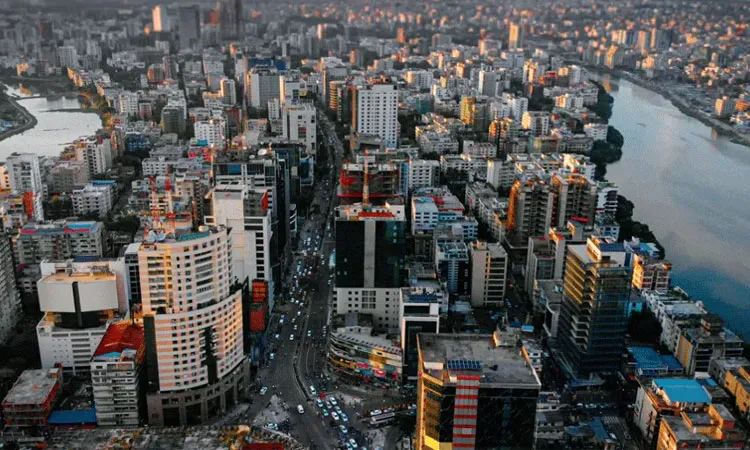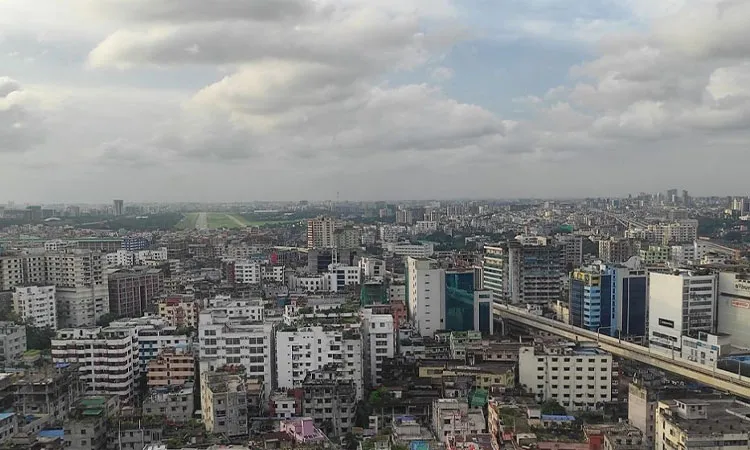
Dhaka’s air quality remained in the "moderate" zone on Monday morning, placing the capital 17th on the global list of most polluted cities.
At 9:45 a.m., the city recorded an Air Quality Index (AQI) score of 90, according to the Swiss monitoring platform IQAir. While an AQI between 51 and 100 is considered generally acceptable for the broader public, unusually sensitive individuals may still experience minor to moderate health issues with prolonged exposure.
Globally, Kampala, Uganda, and Kinshasa, Democratic Republic of the Congo, led the pollution charts with "unhealthy" AQI scores of 159 and 158, respectively.
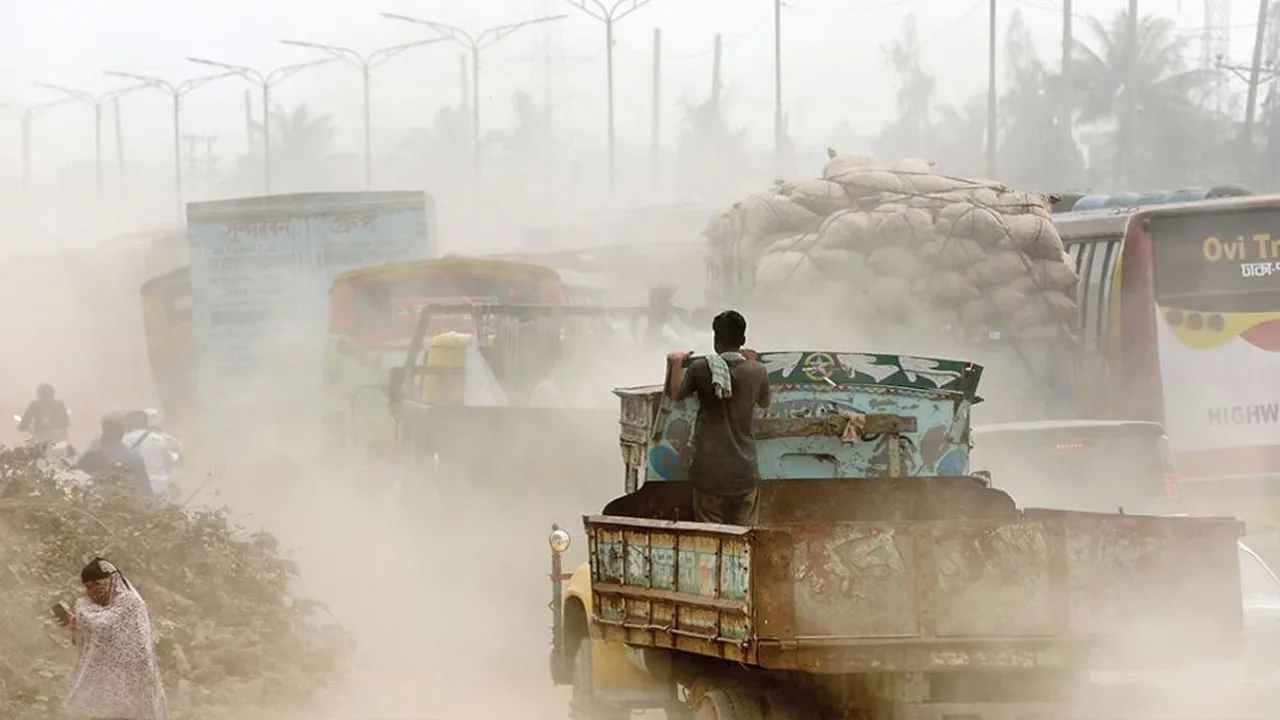
Dhaka has long struggled with poor air quality. Pollution levels typically spike during the dry winter months due to a combination of dust, industrial emissions, and vehicular exhaust. However, conditions tend to improve during the monsoon season, when rainfall and stronger winds help clear airborne pollutants from the atmosphere.
The AQI tracks major health-threatening pollutants, including fine particulate matter (PM2.5 and PM10), nitrogen dioxide, and carbon monoxide. The World Health Organization (WHO) estimates that air pollution causes roughly seven million premature deaths globally every year, heavily contributing to severe illnesses like heart disease, stroke, COPD, and lung cancer. Vulnerable residents are advised to monitor daily air quality levels to protect their health.