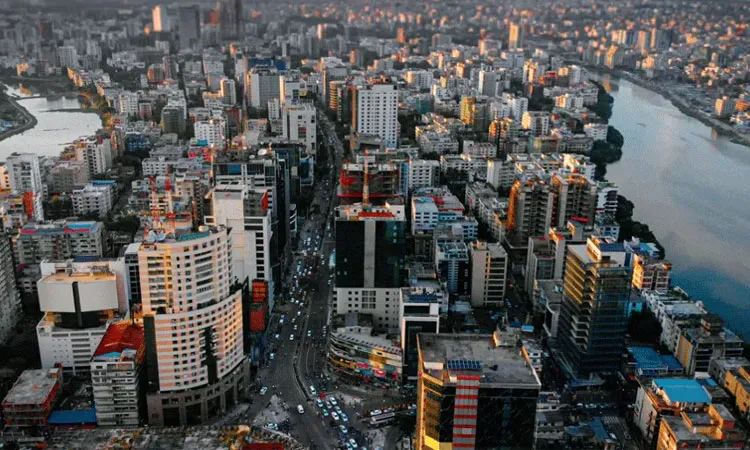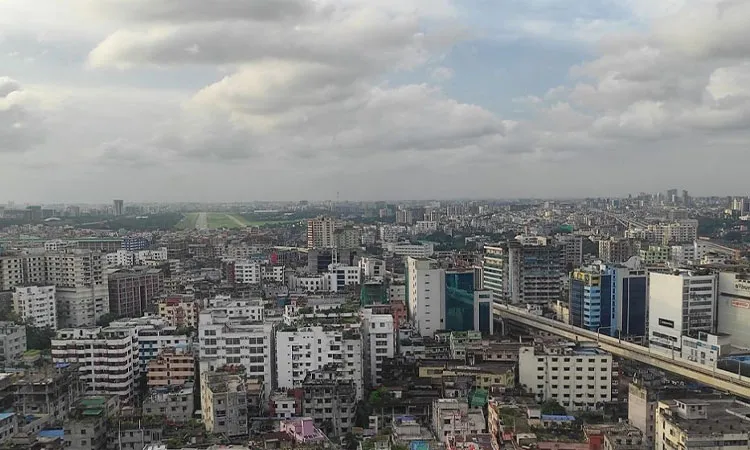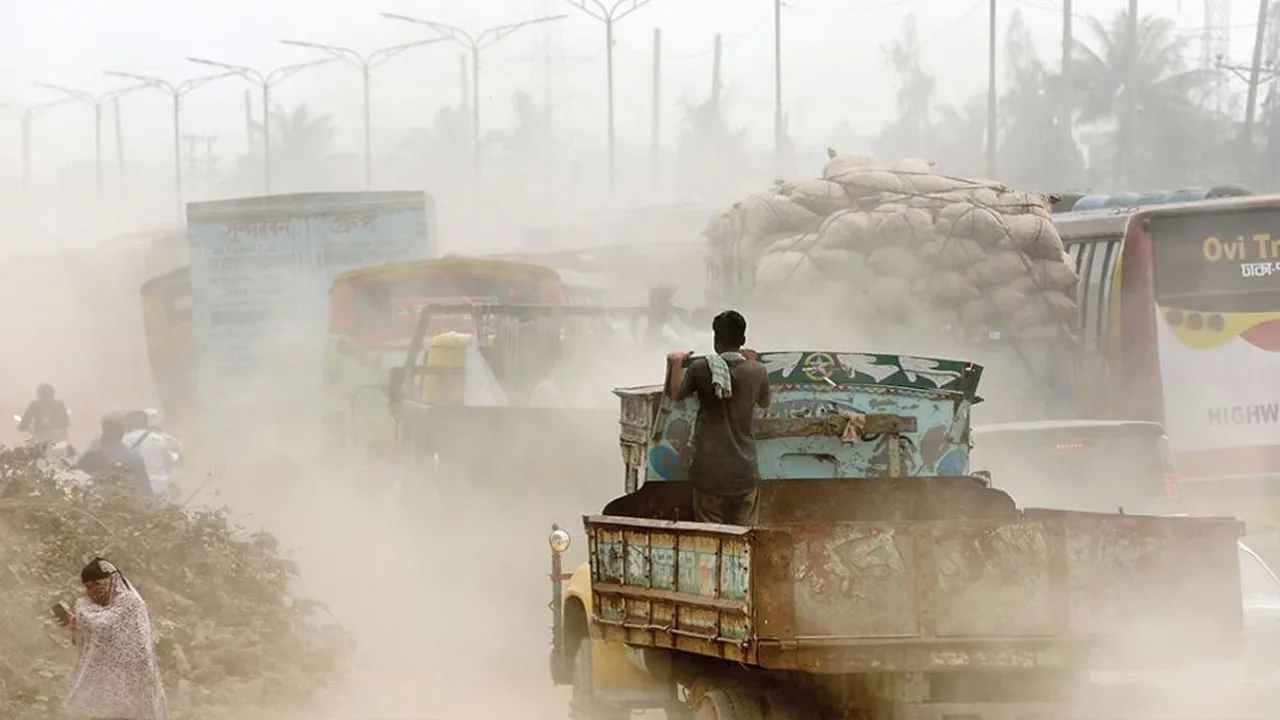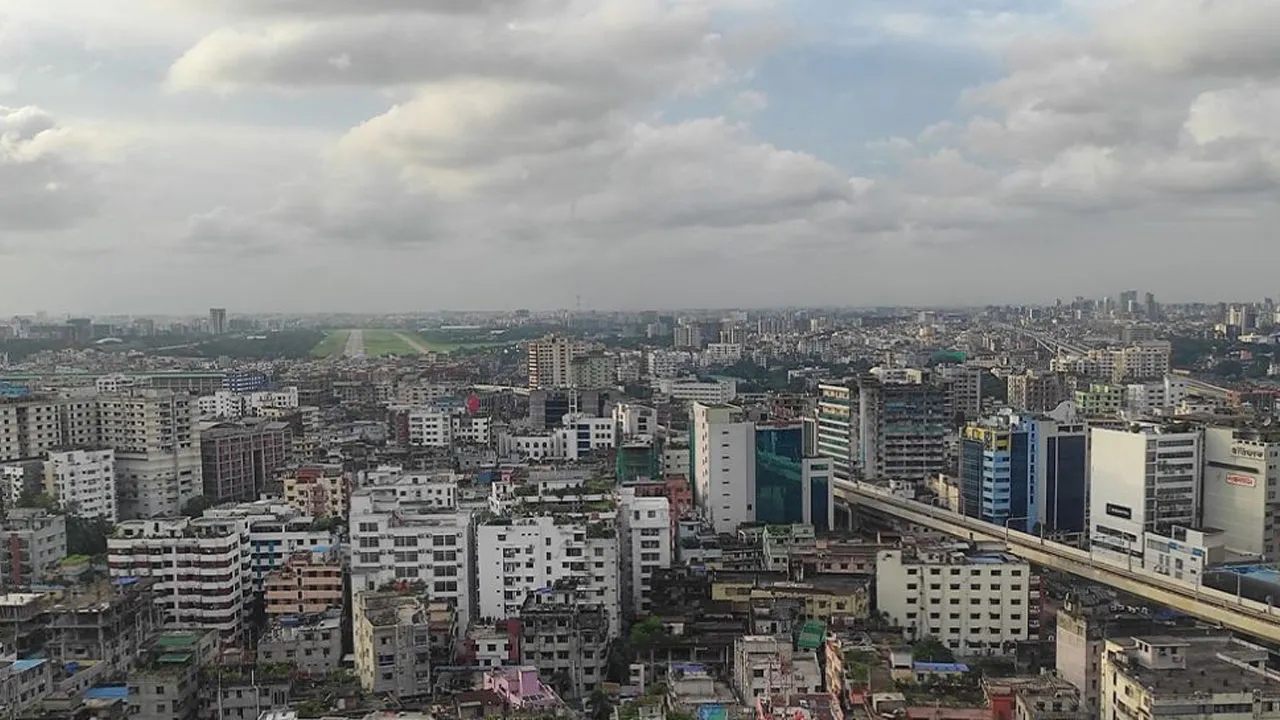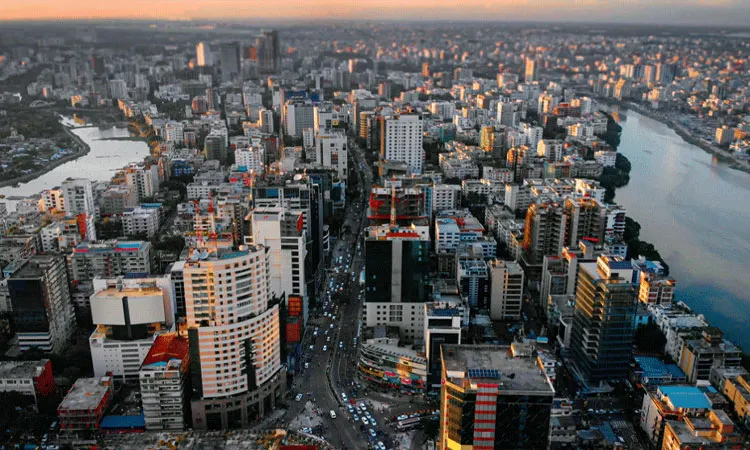
Dhaka’s air quality remained in the "moderate" zone on Monday morning bringing temporary relief to the capital’s residents. At 8:10 am the city recorded an Air Quality Index (AQI) score of 79 ranking 18th among the world's most polluted cities.
An AQI score between 50 and 100 is considered acceptable and poses little health risk to the general public. For global context Lahore Pakistan topped the pollution charts with a highly unhealthy score of 195 followed by Kampala Uganda (179) and Jakarta Indonesia (177).
In Bangladesh, daily air quality is calculated by measuring five major pollutants particulate matter (PM10 and PM2.5) nitrogen dioxide carbon monoxide sulphur dioxide and ozone. Dhaka historically struggles with severe air pollution which typically peaks during the dry winter months and naturally improves during the rainy monsoon season.
While a moderate reading is a positive development, air pollution remains a critical global public health crisis. The World Health Organization (WHO) estimates that toxic air is responsible for approximately seven million deaths globally each year heavily contributing to heart disease strokes and severe respiratory illnesses like lung cancer.
Residents particularly those with pre-existing conditions, are encouraged to continue monitoring daily AQI updates as urban air conditions frequently fluctuate.