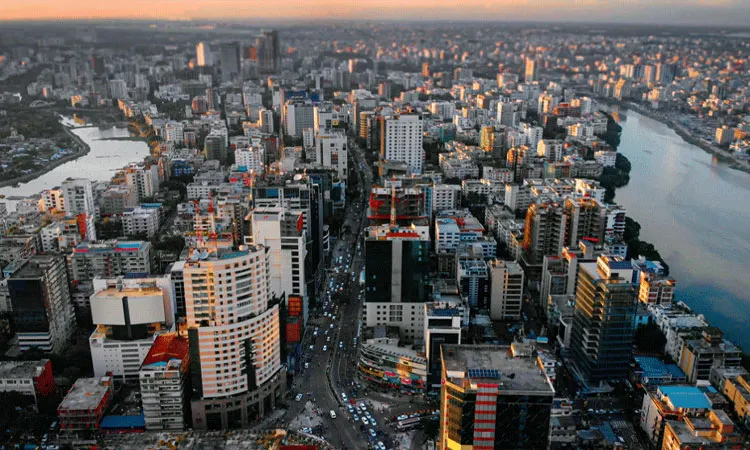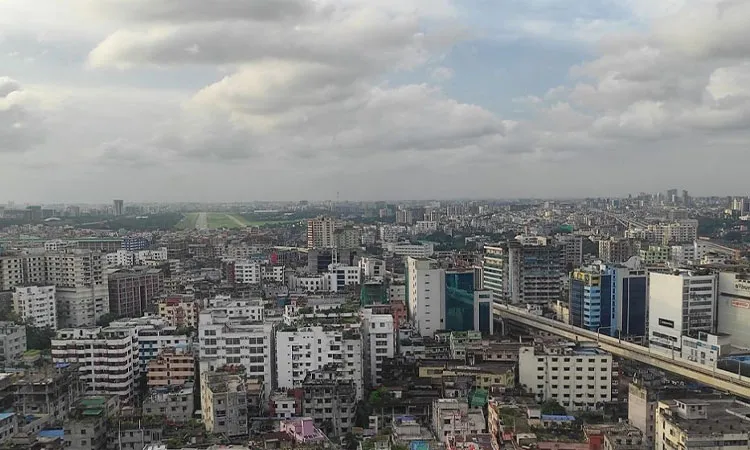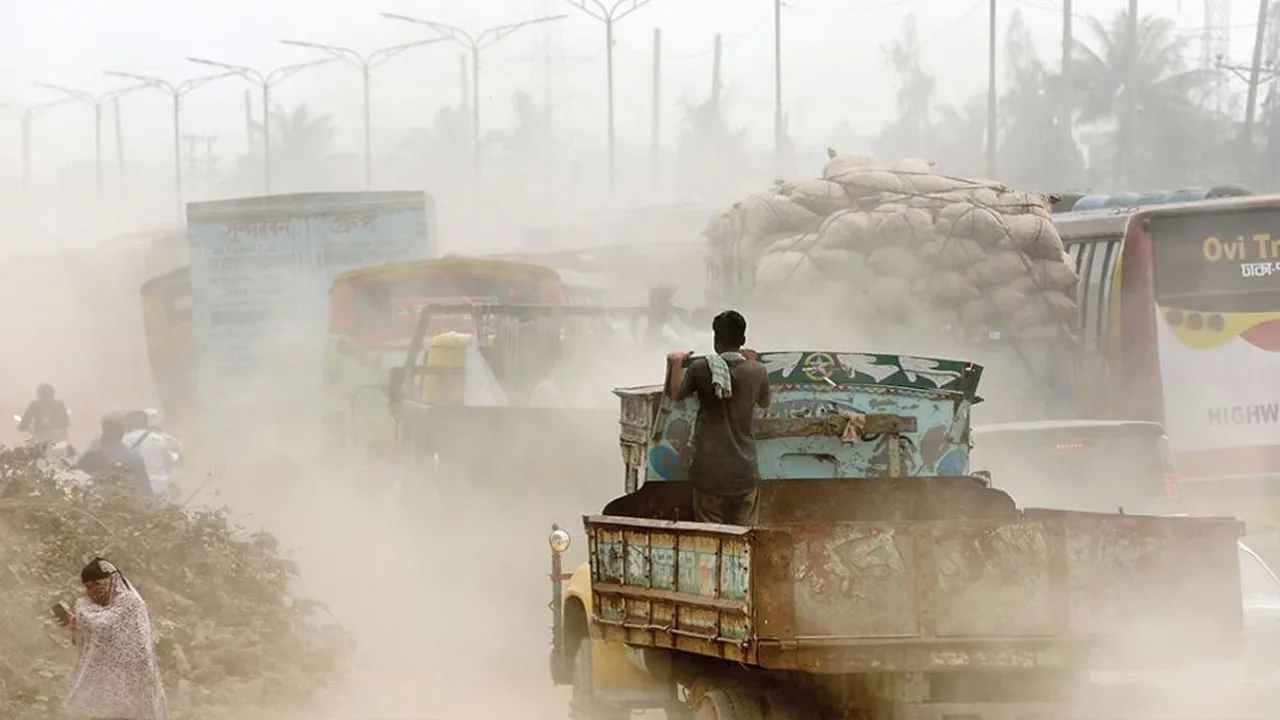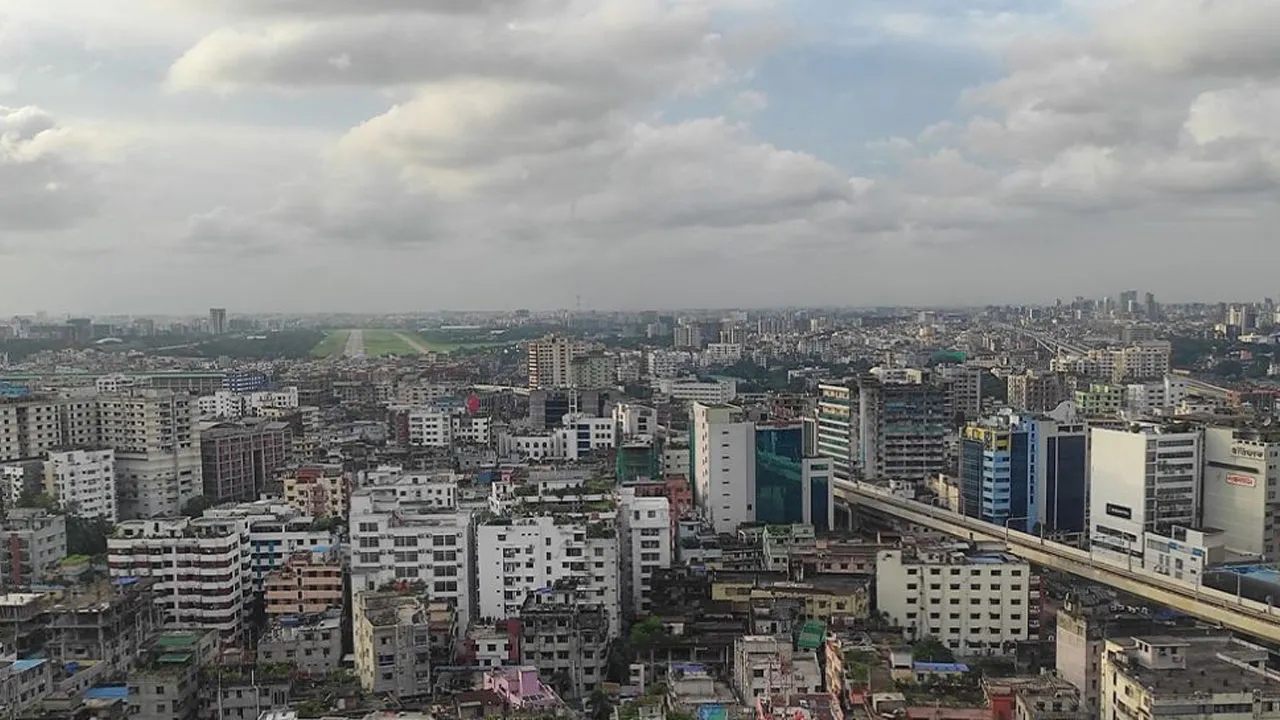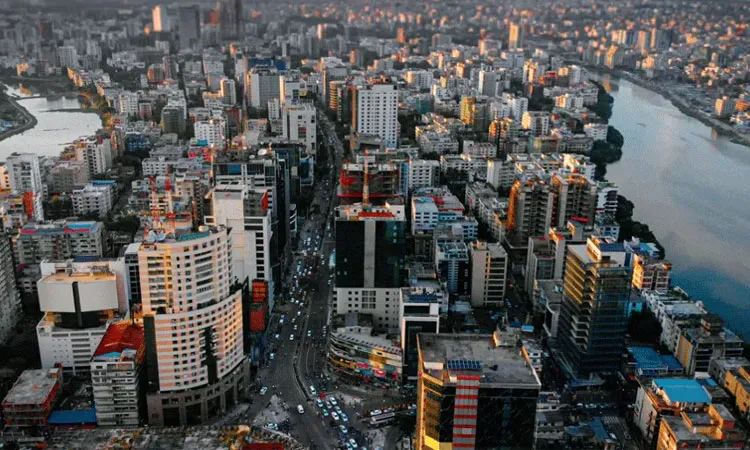
Dhaka ranked as the ninth most polluted city globally on Thursday morning, recording an Air Quality Index (AQI) score of 119 at 9:12 a.m.
This specific air quality level is classified as “unhealthy for sensitive groups”. While the general public remains mostly unaffected this level of pollution poses direct health risks to vulnerable populations including children, older adults, and individuals with pre-existing heart or lung diseases.
Globally Kampala Uganda topped the daily pollution list with an AQI of 173. Medan, Indonesia and Cairo Egypt tied for second place, both recording an AQI of 169. In Bangladesh the daily AQI is calculated by measuring five major air pollutants particulate matter (PM10 and PM2.5), nitrogen dioxide, carbon monoxide, sulfur dioxide, and ozone. Dhaka has historically struggled with severe air pollution, which typically peaks during the dry winter months and improves significantly during the monsoon season.
The broader health implications of poor air quality remain severe. According to the World Health Organization (WHO) air pollution is responsible for approximately seven million deaths worldwide each year primarily caused by strokes heart disease, chronic obstructive pulmonary disease lung cancer and acute respiratory infections. Vulnerable residents in Dhaka are advised to take precautions when the AQI exceeds healthy limits.