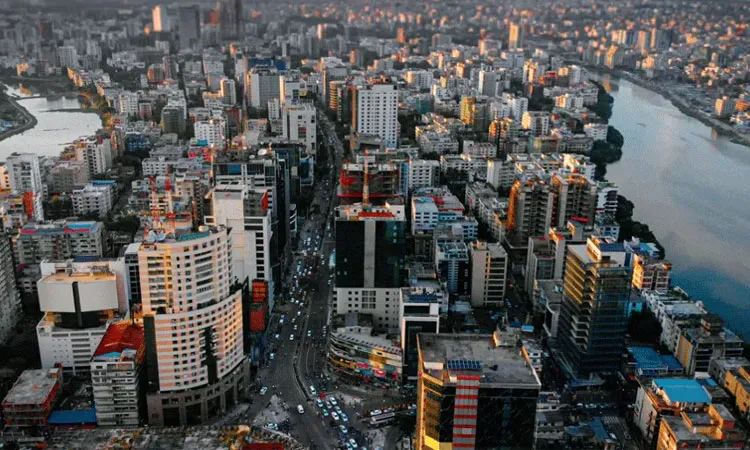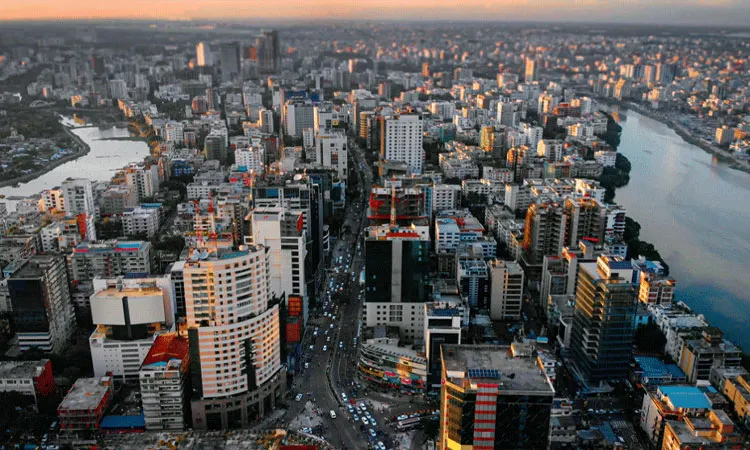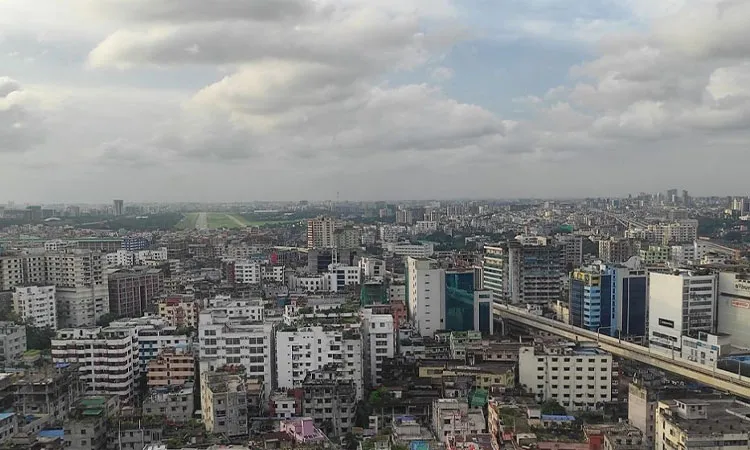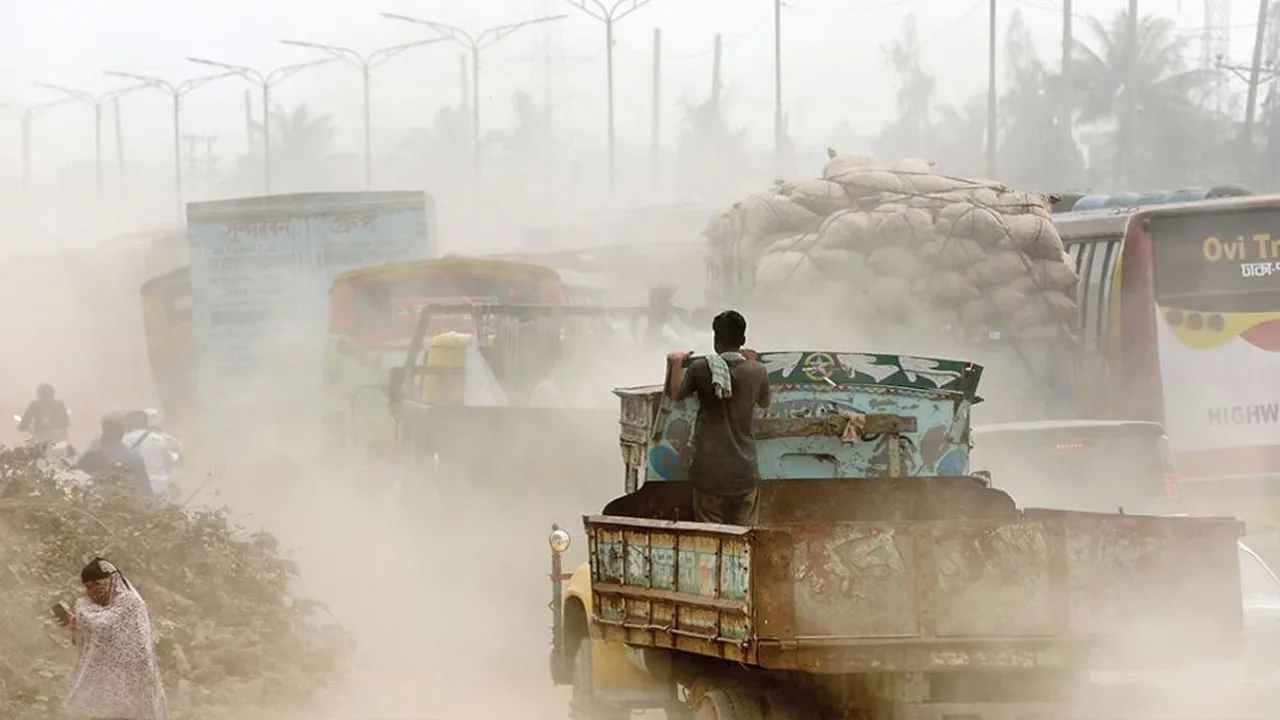
Dhaka’s air quality stood at "unhealthy for sensitive groups" on Thursday morning, ranking the capital 13th among the world's most polluted cities. At 9:40 am, the city recorded an Air Quality Index (AQI) score of 105.
While this level poses minor health risks to vulnerable populations, it remains far below the hazardous levels currently recorded elsewhere. Detroit, USA, topped the global pollution list with a severe AQI of 808, followed by Minneapolis at 419, and Kinshasa, DR Congo, at 177.
The AQI serves as a daily barometer for air cleanliness and its associated health impacts. In Bangladesh, the index is measured using five key pollutants: particulate matter (PM10 and PM2.5), nitrogen dioxide, carbon monoxide, sulfur dioxide, and ozone. By standard metrics, an AQI between 101 and 150 affects sensitive groups, while anything exceeding 301 is considered hazardous to the general public.
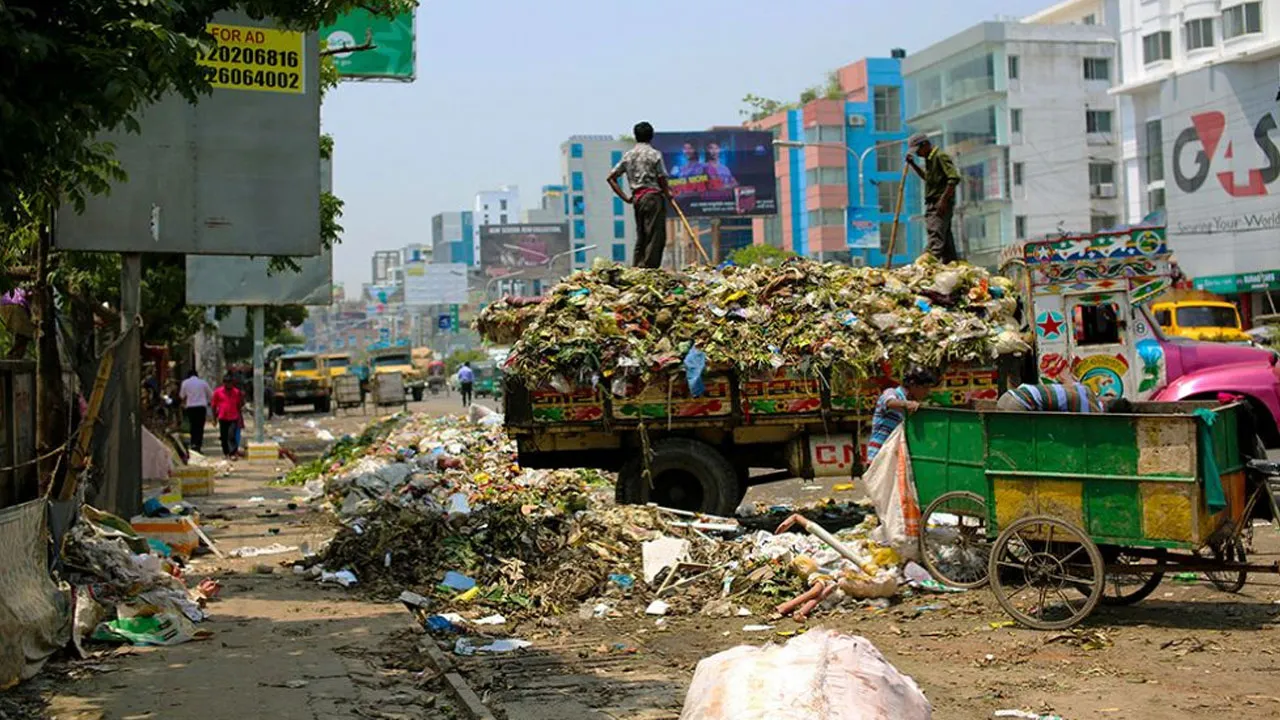
Air pollution remains a chronic issue for Dhaka, typically deteriorating during the dry winter months and easing during the monsoon. Globally, poor air quality is a severe public health crisis; the World Health Organization (WHO) estimates it causes approximately seven million deaths annually, primarily linked to stroke, heart disease, lung cancer, and respiratory infections.