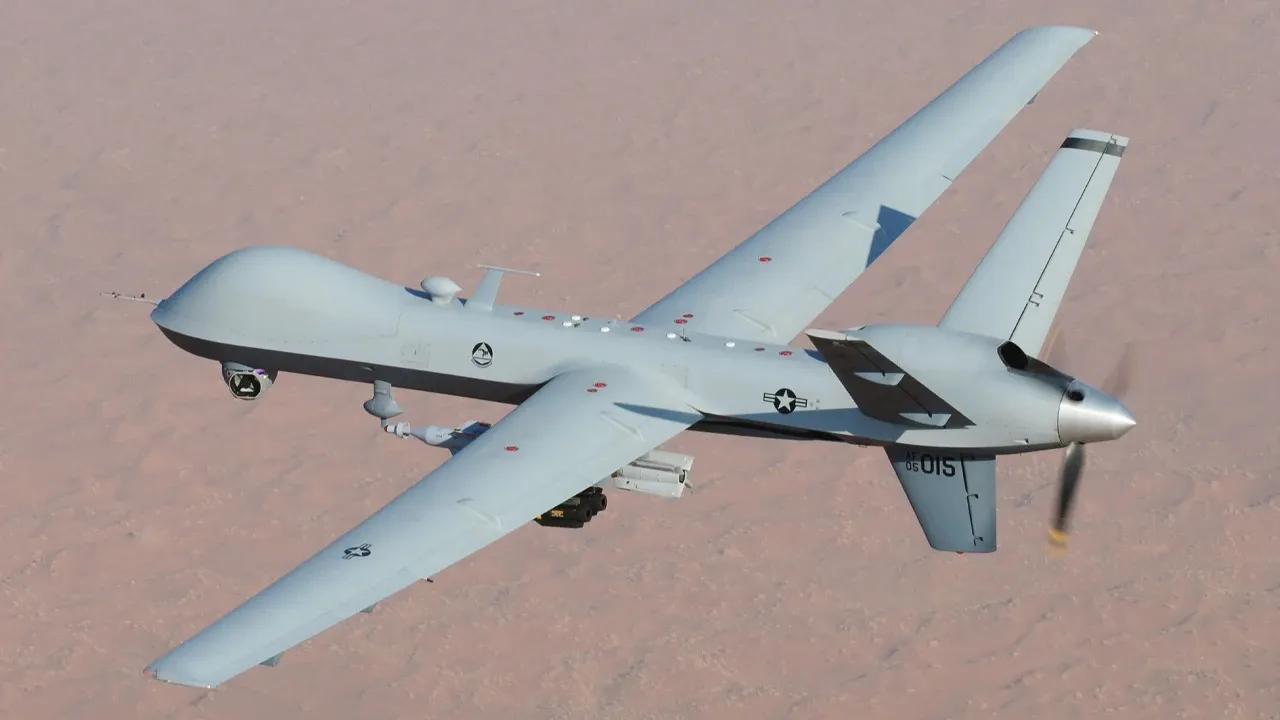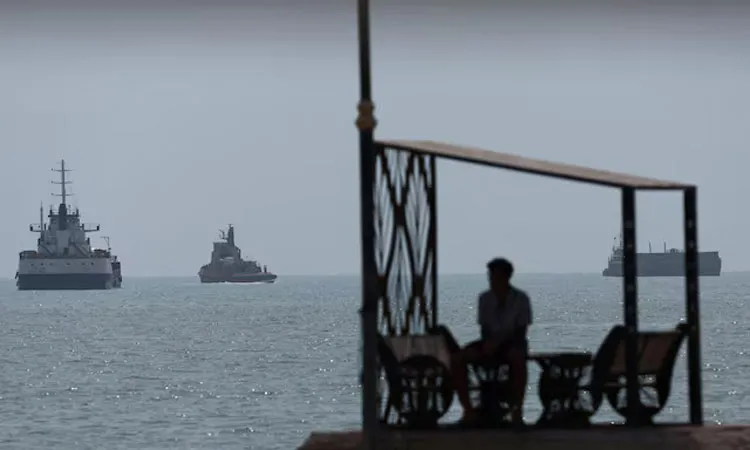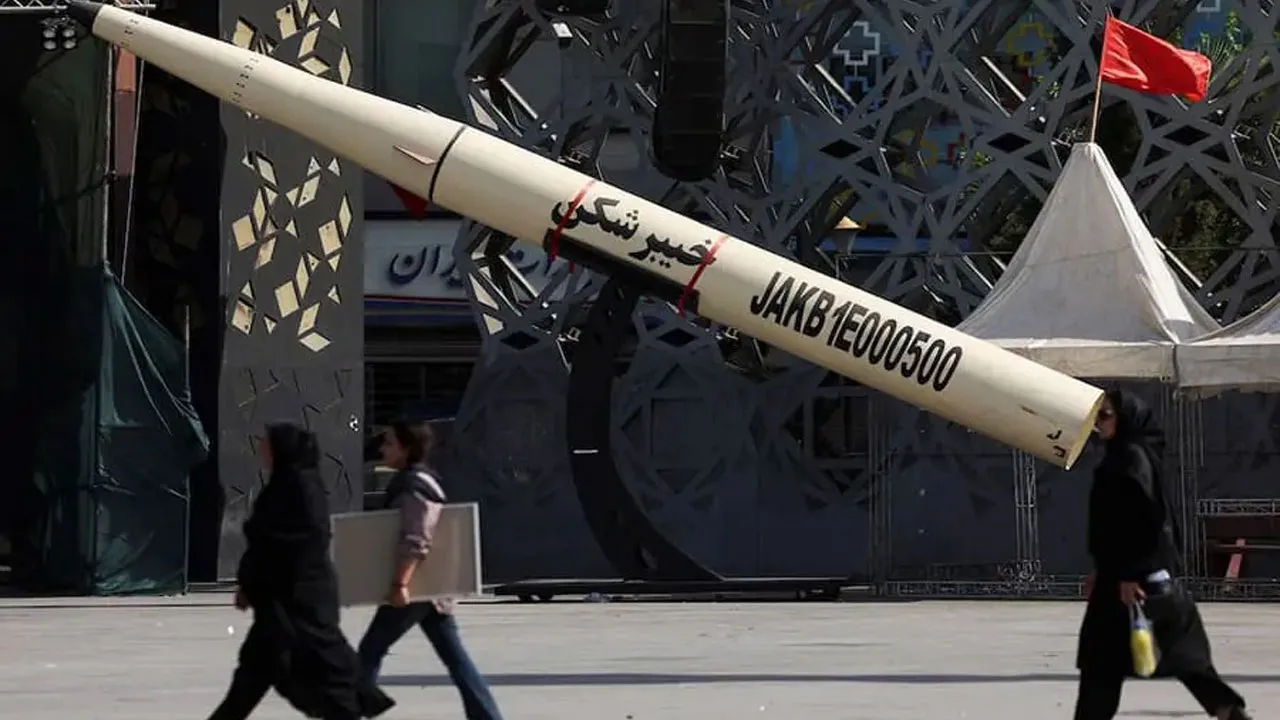
The US military has launched a new wave of strikes against Iran aimed at degrading its ability to attack commercial shipping in the Strait of Hormuz.
These operations mark the third consecutive night of US military action in the region. In tandem, the US government reinstated a naval blockade on Iranian shipping and controversially proposed a 20% protection fee on all cargo passing through the strait, a critical chokepoint that handles a fifth of the world's oil traffic.
Tensions have rapidly spilled across the region. Iran’s Islamic Revolutionary Guard Corps (IRGC) retaliated by firing ballistic missiles at a US air base in Jordan, though Jordanian forces successfully intercepted four of the projectiles. Meanwhile, the UAE reported that Iranian cruise missiles struck two Emirati oil tankers within the Strait of Hormuz. The IRGC claimed the targeted vessels were "offending" supertankers that ignored mandatory navigation warnings.
Simultaneously, regional proxy conflicts have violently reignited. Yemen’s Houthi movement broke a four-year truce by firing missiles at Saudi Arabia's Abha airport. This was in retaliation for airstrikes on Sanaa airport by the Saudi-backed Yemeni government, which claimed it was intercepting an unauthorized Iranian plane. Furthermore, intelligence reports indicate that Iranian-linked actors have hacked regional mobile networks to track US military personnel across the Middle East.
The escalating multifaceted conflict and the reinstated US blockade have immediately impacted global markets, driving oil prices up by nearly 3%. Iranian officials have publicly dismissed the American blockade, insisting that Tehran will "forever" remain the true guardian of the Strait of Hormuz.