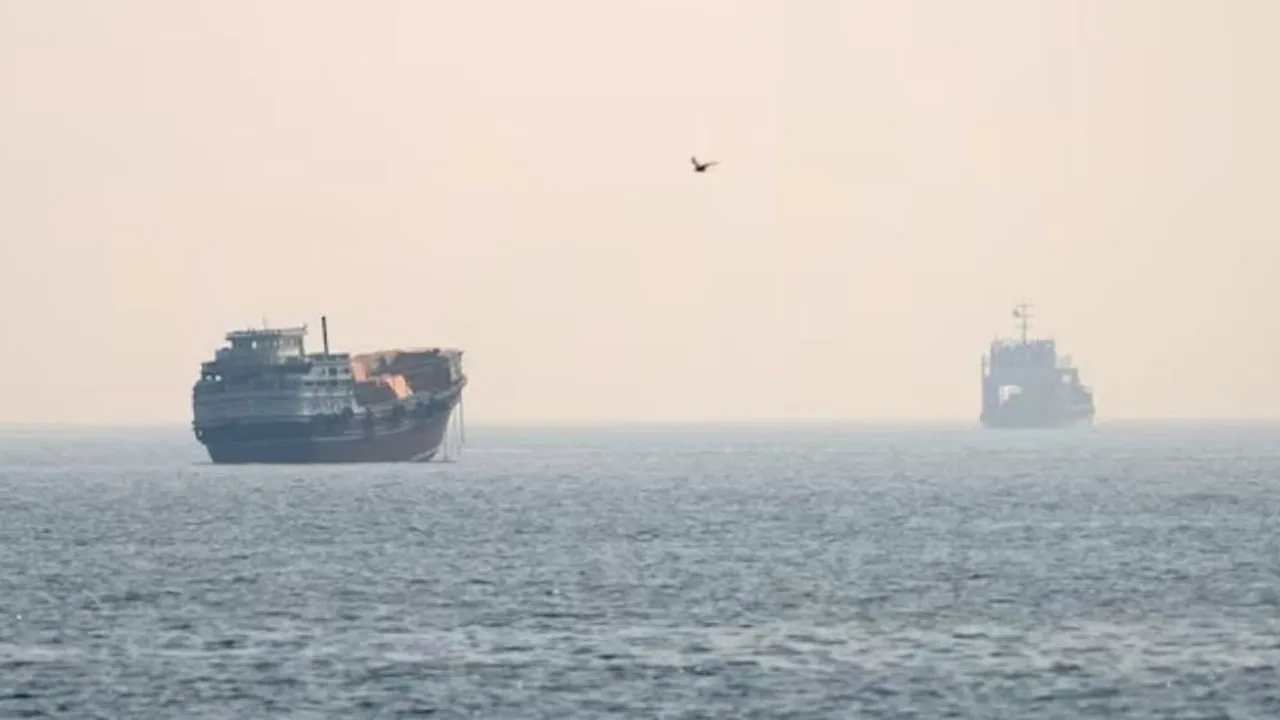
A surge of Iranian trade vessels transited the Strait of Hormuz on Tuesday, just hours before a newly reimposed US naval blockade took effect on Wednesday.
US President Donald Trump reinstated the blockade on all Iranian ports to escalate pressure, warning of potential strikes on Iranian infrastructure next week if Tehran refuses to resume negotiations.
According to Kpler ship-tracking data, nine of the 11 vessels navigating the strait on Tuesday utilized the Iranian route. Three empty oil tankers entered the strait, while departing vessels carried major Iranian exports, including crude oil, refined products, liquefied petroleum gas, iron ore, and methanol. Notably, no tankers from other Gulf producers were recorded loading oil or gas that day.
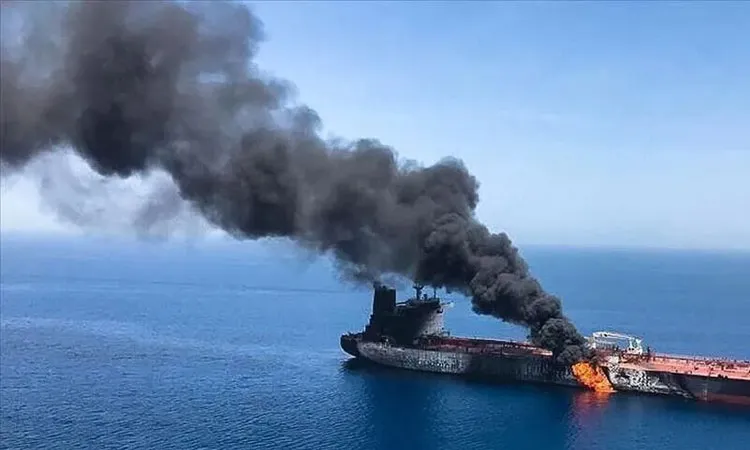
This rush of shipping activity follows a sharp escalation in US-Iran hostilities. The United States reported that Iran attacked seven commercial ships over the past week, resulting in crew members being killed, missing, or injured. These attacks, particularly on Emirati supertankers, have constrained supplies and driven up Middle East spot crude prices.
The Strait of Hormuz—a vital maritime chokepoint that handled a fifth of global oil and gas shipments before the conflict intensified in February—has seen a severe slowdown in commercial traffic. Goldman Sachs analysts warn that the recovery of Gulf shipping flows will remain sluggish, as shippers operating in non-Iranian lanes remain highly risk-averse following the recent attacks.