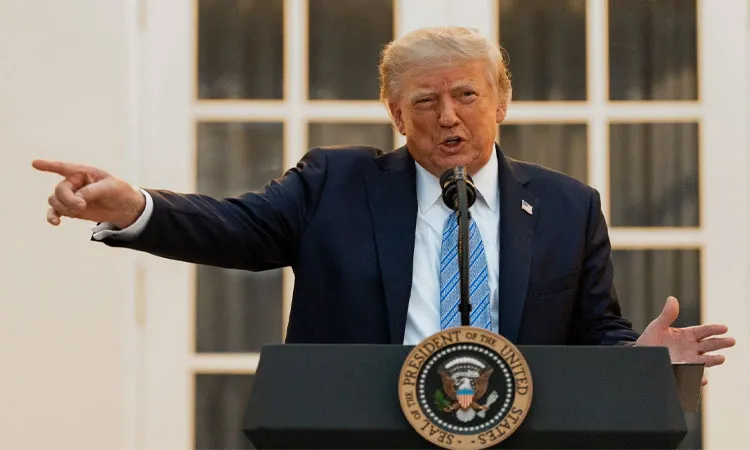
U.S. President Donald Trump has announced that a deal to end the war with Iran could be reached "very soon," signaling a potential breakthrough in a conflict that has destabilized global energy markets.
Speaking to reporters, the President indicated that a current two-week ceasefire might not even need an extension because of Tehran's apparent eagerness to finalize an agreement. Trump also suggested he might travel to Islamabad, Pakistan—the site of recent high-level mediation—to sign the accord if a breakthrough is achieved.

As diplomatic hopes rise, Britain and France are set to chair a meeting of 40 nations on Friday. The summit aims to secure international support for reopening the Strait of Hormuz. The waterway, crucial for 20% of the world's oil and gas, has been effectively closed since the conflict began on February 28, 2024.
Allies are reportedly ready to assist in restoring freedom of navigation, but they have signaled that such cooperation will only begin once hostilities officially cease. The closure has already forced the International Monetary Fund (IMF) to downgrade global growth forecasts, citing a high risk of global recession.
Mediators in Islamabad report significant progress in "backdoor diplomacy." Sources suggest both sides have agreed in principle to a framework, with a formal Memorandum of Understanding (MoU) expected shortly, followed by a comprehensive deal within 60 days.
The U.S. previously demanded a 20-year suspension, while Iran proposed three to five years. Negotiators are reportedly finding middle ground.
Iranian sources indicate Tehran is now considering shipping a portion of its highly enriched uranium (HEU) out of the country, a major concession.
Iran continues to demand the lifting of international sanctions in exchange for these nuclear curbs.
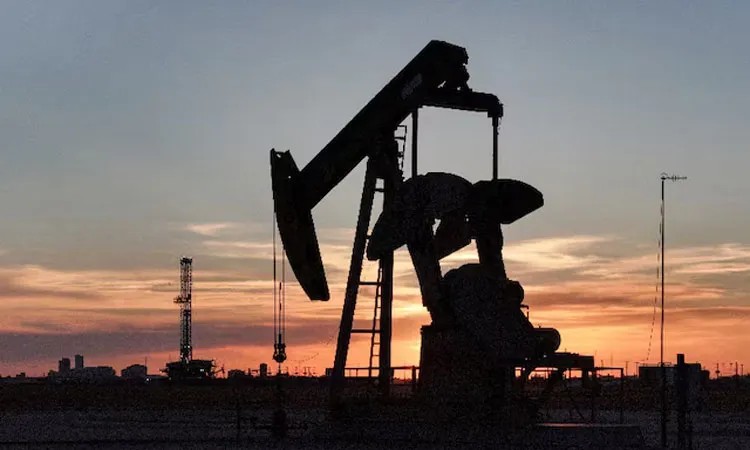
The optimism surrounding the talks has already calmed global markets, with oil prices stabilizing below $100 a barrel as investors anticipate a return to regular shipping through the Persian Gulf.