


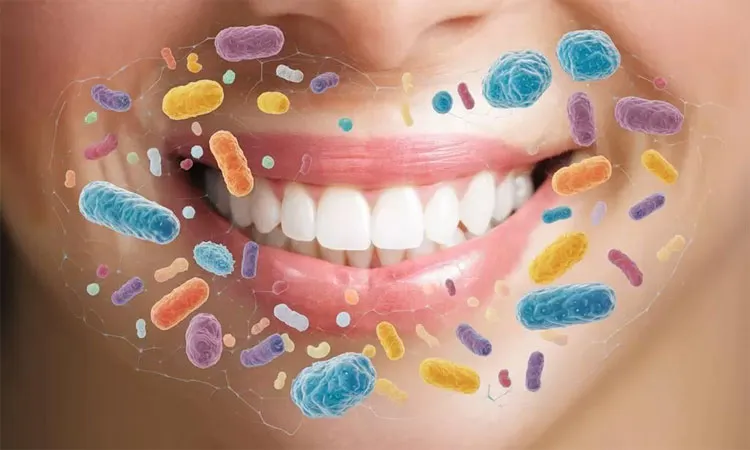
Your mouth is home to a community of roughly 700 bacterial species along with viruses and fungi collectively known as the oral microbiome. While often overlooked, this microbial world plays a major role in both dental and overall health and diet is one of the most effective ways to keep it balanced.
Sugary foods are well known to feed harmful bacteria like Streptococcus mutans which converts sugar into acids that erode tooth enamel and cause cavities a problem affecting more than 80% of Americans by their mid-30s. Processed carbohydrates such as white bread, crackers and biscuits pose similar risks as they break down easily into sugars.
But an imbalanced oral microbiome carries risks beyond tooth decay. Harmful bacteria like Porphyromonas gingivalis which thrive in unbrushed pockets between teeth and gums, have been linked to gum disease as well as cardiovascular disease, diabetes, Alzheimer's, depression and even pancreatic and colon cancer. Research also shows that lower microbial diversity in the mouth is associated with depression.

Fortunately, certain foods help cultivate beneficial bacteria that crowd out harmful strains some even producing natural compounds that directly attack disease-causing microbes. Leafy greens like kale, spinach and beetroot are rich in nitrates which mouth bacteria convert into compounds that support healthy blood pressure. Garlic, despite its effect on breath, contains allicin which fights bacteria linked to cavities and gum disease.
Plant-based foods also supply polyphenols natural antioxidants that suppress harmful oral bacteria and prevent plaque from sticking to teeth. Tea, dark berries, cranberry juice and honey are particularly rich sources with research showing they can inhibit plaque-forming and cavity-causing bacteria and even reduce bacteria responsible for bad breath.
Cheese offers unique benefits too. A small Italian study found that eating Grana Padano cheese daily shifted oral bacteria toward healthier strains. Experts say chewing cheese boosts saliva production which helps clear sugar from teeth and neutralize harmful acids. Fermented foods like kefir similarly introduce beneficial bacteria that compete with harmful ones.
Experts caution there's no single "superfood" for oral health overall dietary patterns matter most. Frequent consumption of refined sugars and carbohydrates favors acid-producing bacteria while diets rich in whole plant foods, fibre and complex carbohydrates support a more stable oral ecosystem. Studies show that people who closely follow a Mediterranean-style diet rich in fruits, vegetables, whole grains and healthy fats tend to have less severe gum disease while frequent red meat consumption is linked to worse outcomes.
Brushing and flossing remain essential; flossing reduces cavity-causing bacteria while brushing lowers levels of disease-associated microbes. Scientists are still studying how mouthwashes affect the oral microbiome though some containing chlorhexidine are known to disrupt bacterial balance despite short-term benefits for gum disease.
Ultimately the experts recommend a balanced diet emphasizing vegetables, leafy greens and lean proteins while limiting sugar the same advice long given for general health which also happens to nurture a healthier mouth.

