U.S. President Donald Trump on Sunday cooled expectations of an immediate diplomatic breakthrough to end the three-month-old conflict with Iran, stating he has instructed American negotiators not to rush into a deal.
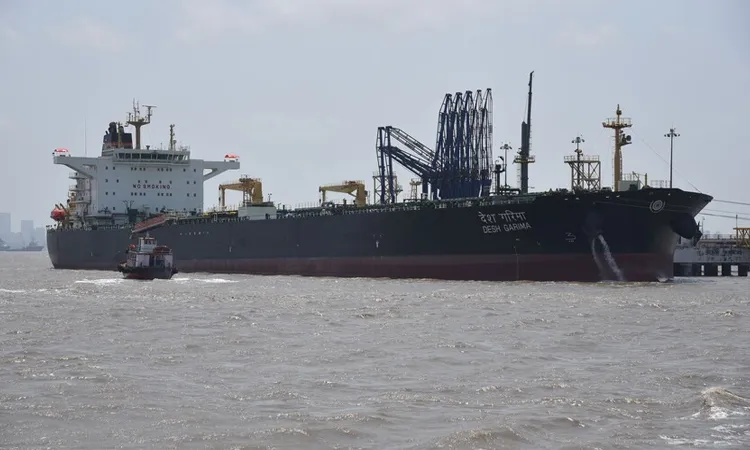
Writing on Truth Social, Trump asserted that the strict U.S. naval blockade on Iranian vessels in the strategic Strait of Hormuz will "remain in full force and effect until an agreement is reached, certified, and signed," urging both sides to take their time to get the terms right.
The statements follow a more optimistic announcement a day earlier, when Trump noted that Washington and Tehran had "largely negotiated" a memorandum of understanding to halt the hostitilies that began on February 28. A shaky ceasefire has been in place since early April.
Iran’s government did not immediately issue a formal response. However, the Tasnim news agency, which is linked to Iran’s Revolutionary Guards, indicated that Washington is still stalling on key details, including Tehran's insistence on releasing frozen oil revenues held in foreign banks.
A senior Trump administration official, speaking on condition of anonymity, confirmed that no deal would be signed on Sunday. However, the official outlined the emerging core framework: Iran has agreed "in principle" to reopen the Strait of Hormuz and dispose of its highly enriched uranium stockpile. In exchange, the U.S. will lift its naval blockade. The U.S. believes Iran’s Supreme Leader Ayatollah Mojtaba Khamenei has endorsed this broad template.
According to U.S. media reports, the initial phase focuses strictly on unlocking the maritime logjam to relieve intense energy pressures on the global economy. Resolving deeper disputes—such as long-term nuclear enrichment limits, sanctions relief, Iran's missile program, and Israel's ongoing military campaign against the Iranian-backed Hezbollah militia in Lebanon—will be relegated to future negotiations.
The economic stakes remain immense. The Strait of Hormuz normally channels one-fifth of global oil and liquefied natural gas shipments. While a finalized deal would ease commodity markets, the Abu Dhabi National Oil Company warned last week that full shipping volumes will not return until early 2027 due to extensive disruptions caused by the conflict.
The administration views this developing framework as conceptually stronger than the 2015 nuclear accord. High-level U.S. figures, including Vice President JD Vance, Middle East Envoy Steve Witkoff and Jared Kushner, are heavily involved in coordinating the talks with regional Gulf partners to ensure safe maritime passage once the blockade lifts.