The United States and Iran have reached a preliminary agreement to end their months-long conflict. The landmark deal paves the way for an immediate ceasefire. Also the reopening of the Strait of Hormuz and the lifting of the US naval blockade on Iranian ports.
A Memorandum of Understanding (MoU) was signed electronically by US President Donald Trump, Vice President JD Vance and Iranian Parliament Speaker Mohammad Bagher Qalibaf according to US officials. A formal signing ceremony is scheduled for Friday after which the full text of the agreement will be made public.
The pact establishes a 60-day negotiation period to address core disputes, most notably the future of Iran's nuclear programme.
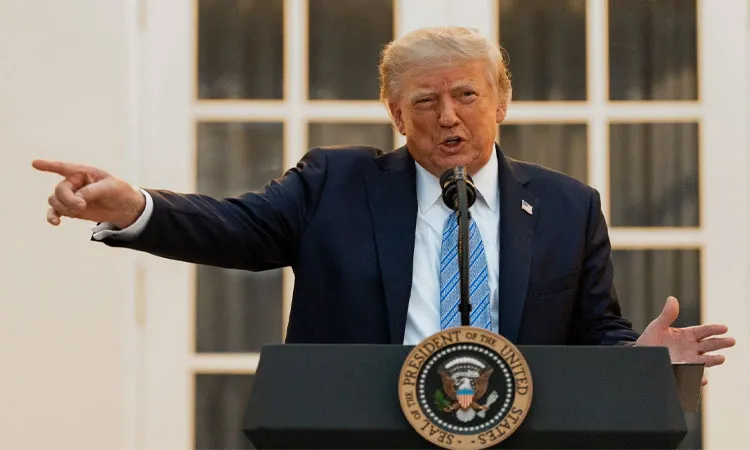
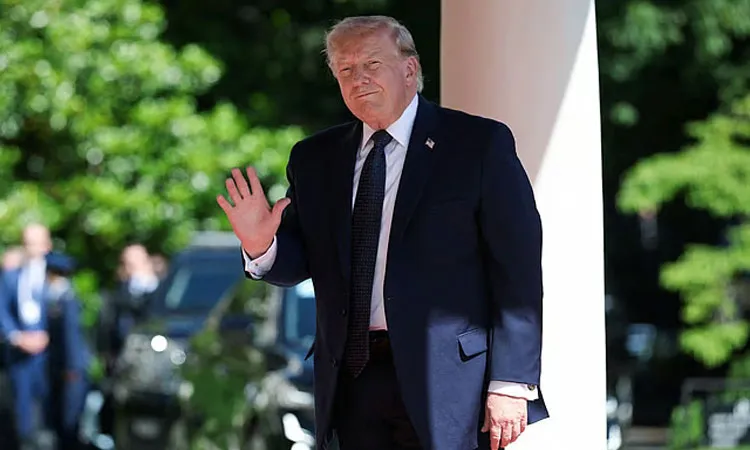
Speaking alongside French President Emmanuel Macron at the G7 summit in France, President Trump stated that the Strait of Hormuz a vital artery for global oil trade already partially open and will be fully navigable by Friday.
Sanctions Relief and Military Readiness
Under the draft terms, the US may release up to $25 billion in frozen Iranian assets. However, a senior US official emphasised that economic relief will depend on "verifiable milestones," primarily ensuring Iran does not rebuild its nuclear capabilities.
"We are prepared to make small gestures [of sanctions relief] initially, provided they show willingness to meet their commitments," the official said, adding that further relief will be strictly performance-based.
Despite the diplomatic breakthrough, military caution remains. Iranian army spokesperson Mohammad Akraminia announced via state media that Tehran will actively increase its defensive capabilities and maintain heightened military readiness during the 60-day truce.
The Lebanon Factor
The long-term survival of the peace deal could hinge on the ongoing situation in Lebanon which remains a major sticking point in regional stability.
While the armed group Hezbollah has welcomed the US-Iran pact, Iranian Foreign Minister Abbas Araqchi insisted on a complete halt to Israeli military operations in Lebanese territory.
Meanwhile, Israel has declared it will not withdraw from the Lebanese territory it has seized and warned of severe retaliation if Iran launches any attacks linked to the conflict in Lebanon.