The conflict between Iran, Israel, and the United States intensified sharply as Iran launched long-range missiles for the first time and tensions surged over the Strait of Hormuz.
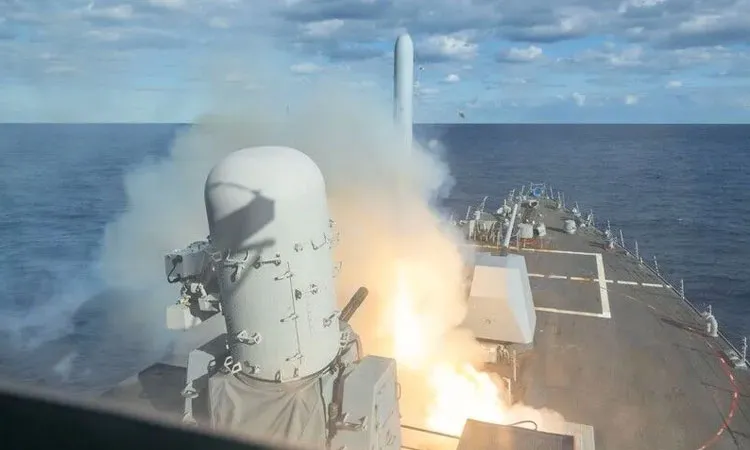
Israeli officials confirmed that Iran fired two ballistic missiles with a range of about 4,000 kilometres toward the Diego Garcia military base in the Indian Ocean, a joint US-UK facility. This marks the first time Iran has used such long-range weapons in the current conflict, expanding the threat beyond the Middle East. Israeli military chief Eyal Zamir warned that major European cities could fall within the missiles’ range.

Meanwhile, Iranian missile strikes hit southern Israeli cities, including Dimona and Arad, injuring dozens of civilians. The areas are located near sensitive military installations, including Israel’s nuclear facility near Dimona. Israel acknowledged that some incoming missiles were not intercepted, and investigations are underway.
Iran’s Revolutionary Guards said the strikes targeted military and security sites. Israeli Prime Minister Benjamin Netanyahu described the attacks as a “difficult evening” and vowed continued military operations.

Since the conflict began on February 28, more than 2,000 people have reportedly been killed in Iran, while at least 15 deaths have been recorded in Israel.
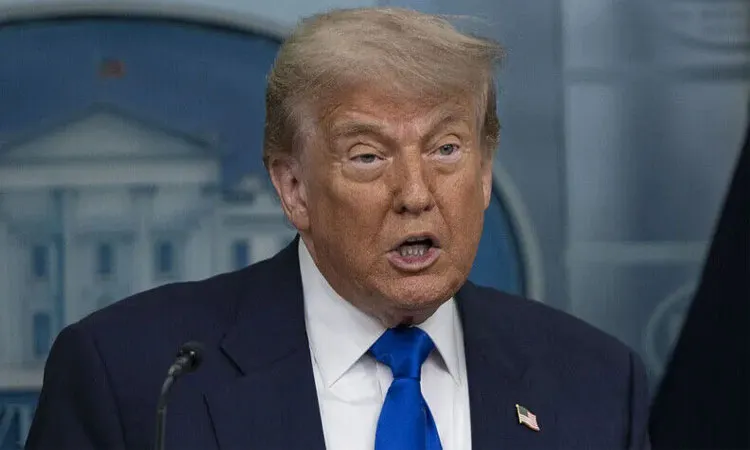
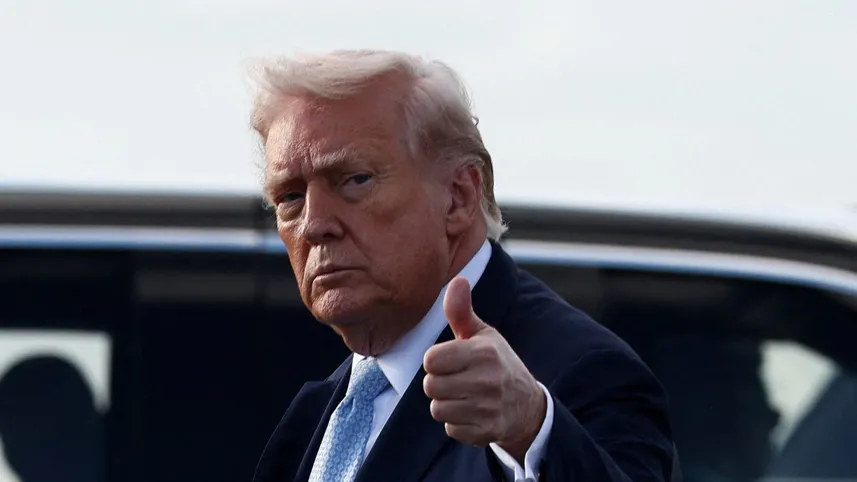
In a major escalation, US President Donald Trump issued a 48-hour ultimatum demanding Iran fully reopen the Strait of Hormuz, a key global shipping route. He warned that failure to comply would result in US strikes on Iranian power plants.
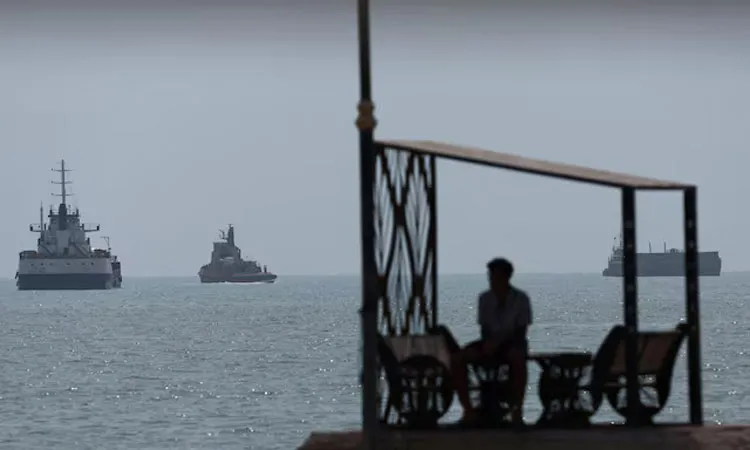
Iran responded by threatening to target all US energy infrastructure in the region if its own facilities are attacked. The Strait of Hormuz, through which about one-fifth of global oil and gas supplies pass, has seen shipping disruptions since the early days of the conflict, contributing to rising energy prices and market instability.
US Central Command stated that recent American airstrikes have significantly weakened Iran’s ability to target vessels in the strait. However, conflicting signals from Washington have raised uncertainty, as Trump has also suggested the possibility of winding down the war.
Diplomatic efforts remain stalled. According to reports, the US has outlined strict conditions for a potential agreement, including halting Iran’s missile programme, ending uranium enrichment, and closing key nuclear facilities. Iran has said the conditions are difficult and insists that attacks must stop before negotiations can begin.
Analysts warn that with escalating military actions and stalled diplomacy, the conflict risks widening further, with significant global economic and security implications.