- National
- Bangladesh
- Business
- International
- Sports
- Entertainment
- Politics
- Technology
- Life Style
- Religion
- Opinion
Monday, 16 March 2026

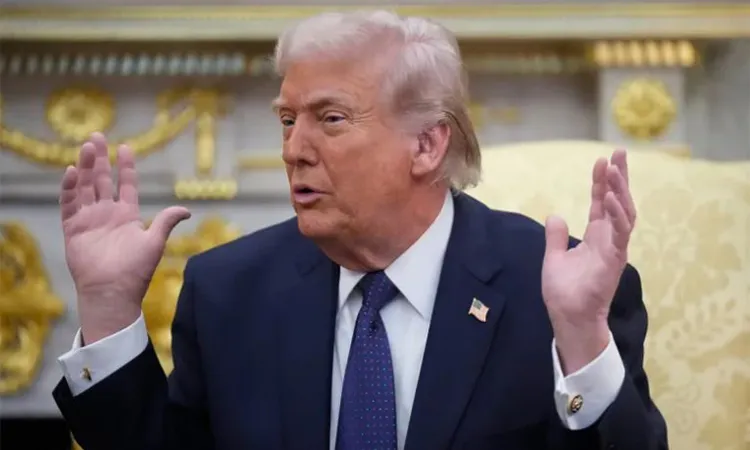
U.S. President Donald Trump has called on China to help secure and reopen the Strait of Hormuz ahead of his planned meeting with President Xi Jinping. In an interview with the Financial Times, Trump suggested the high-stakes summit, scheduled for late March, could be delayed if Beijing does not take action to address the escalating maritime crisis.
President Trump emphasized that China has a significant stake in the waterway, claiming it relies on the Strait for nearly 90% of its oil (though industry data suggests roughly 45%). "Two weeks is a long time," Trump remarked, expressing a desire for visible progress before he arrives in Beijing.
While the summit is currently set for the end of March, the U.S. President hinted at a postponement, though he provided no specific timeline or conditions.
The appeal to China follows Trump’s broader call for a multinational naval coalition. He has urged the United Kingdom, France, Japan, and South Korea to dispatch warships to protect tankers from Iranian threats.
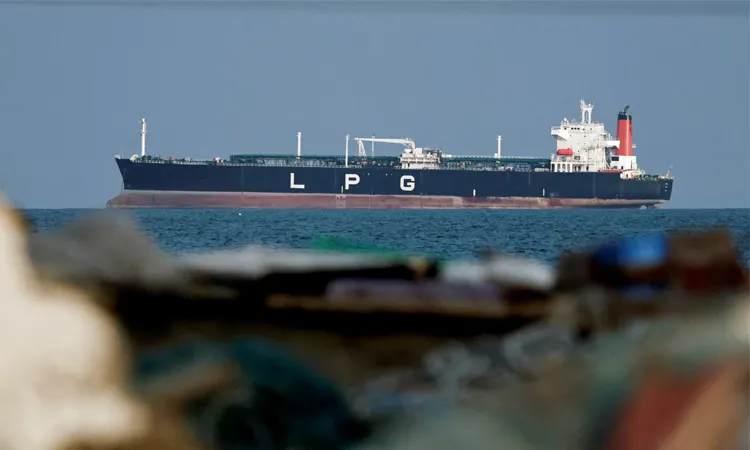
The Strait of Hormuz, a vital artery for 20% of the world’s oil, has been effectively closed since the outbreak of hostilities between the U.S., Israel, and Iran in late February. This disruption has triggered a global energy crisis, with oil prices recently surging past $100 per barrel.
The U.S. faces a complex diplomatic landscape ,China’s Position Beijing maintains stable relations with Tehran and may be reluctant to join a U.S.-led military initiative.
India’s Success New Delhi has successfully used direct diplomacy with Tehran to secure safe passage for at least two of its oil tankers, bypassing the need for military escorts.
International Caution Most nations have responded cautiously to the U.S. request for warships, prioritizing de-escalation over military involvement in the narrow strait.
Currently, dozens of vessels remain stranded near the passage as the international community weighs the risks of military intervention versus diplomatic negotiation.
Comment