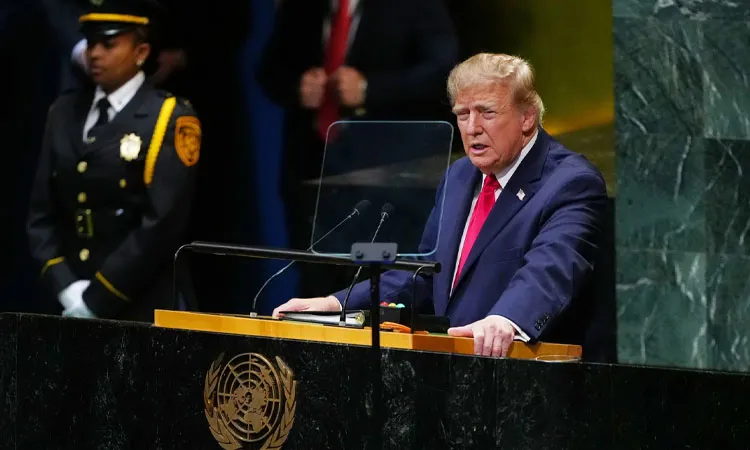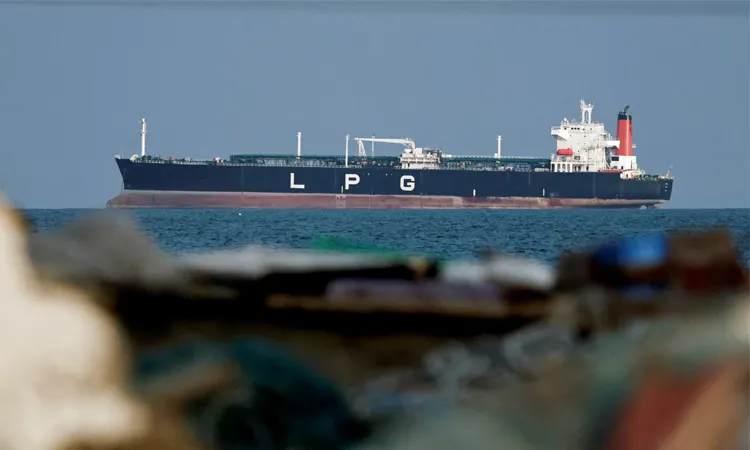
US President Donald Trump has called on countries including the UK, Japan, China, South Korea, France, and others to send warships to the Strait of Hormuz to secure the vital shipping route, which has been effectively blockaded by Iran.
The strait, one of the world’s busiest oil channels, has faced attacks on at least 16 vessels since the US and Israel began military action against Iran on 28 February.

Trump’s call has received a cautious response. The UK is exploring options, including mine-hunting drones, but has not committed ships. Japan and South Korea are monitoring the situation and reviewing their involvement. France has refused to send vessels, maintaining a defensive stance, while China, an ally of Iran, has focused on diplomatic talks rather than military intervention. The EU is considering expanding its Aspides naval mission to the strait, but Germany remains skeptical.
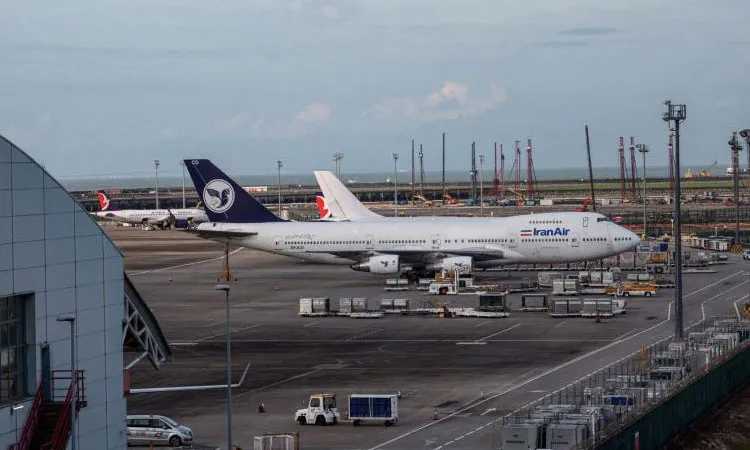
Iran has warned that any tanker heading to the US, Israel, or their allies is a legitimate target. The conflict has disrupted global energy markets, with oil prices peaking near $120 per barrel and key ports such as Fujairah temporarily closing. US officials predict the conflict may end in weeks, but Iran’s leadership has rejected ceasefire talks and warned of continued resistance.
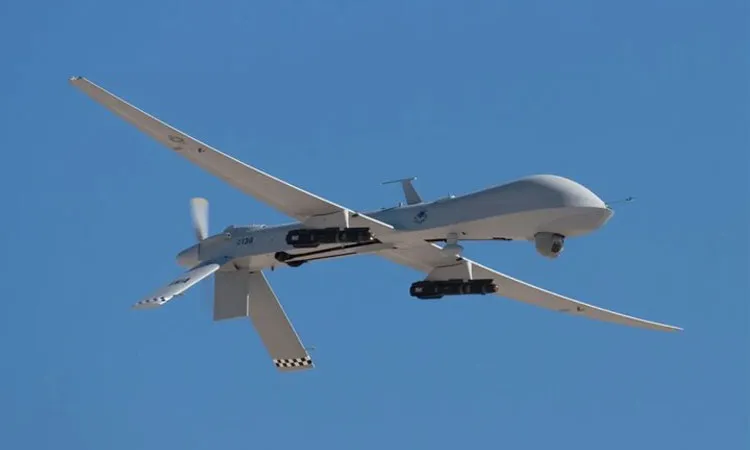
The situation has heightened global economic risks, with the International Energy Agency preparing to release emergency oil reserves. US bombers have also been deployed to the region, highlighting the escalation of the war.
The international community remains hesitant to engage militarily, leaving the strait’s security uncertain amid rising tensions.