- National
- Bangladesh
- Business
- International
- Sports
- Entertainment
- Politics
- Technology
- Life Style
- Religion
- Opinion
Saturday, 02 May 2026

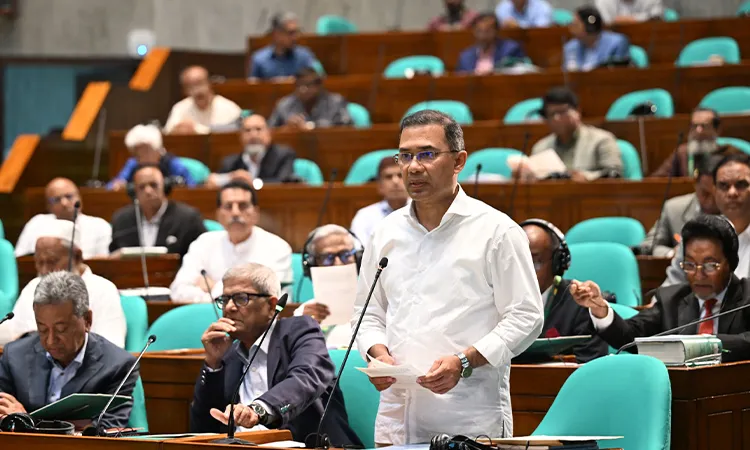
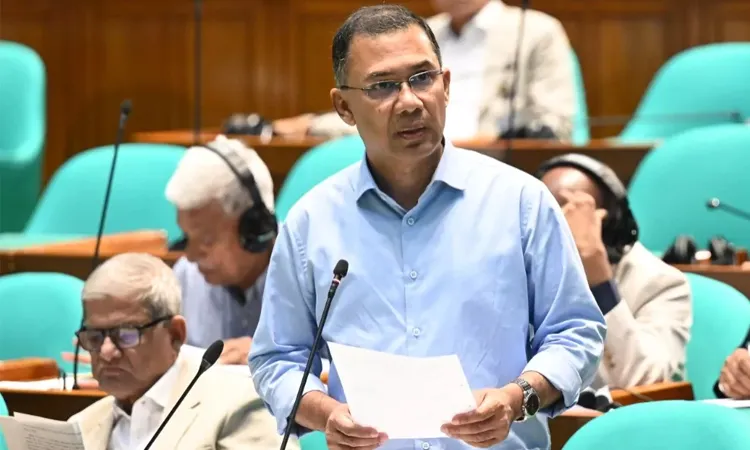
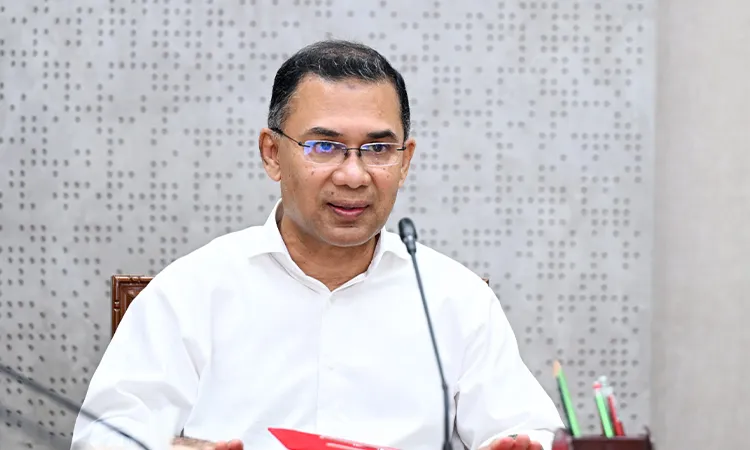
Prime Minister Tarique Rahman reaffirmed today that his administration will not exploit religion for political purposes, emphasizing that every citizen—regardless of faith, caste, or creed—enjoys equal rights and security under the law.
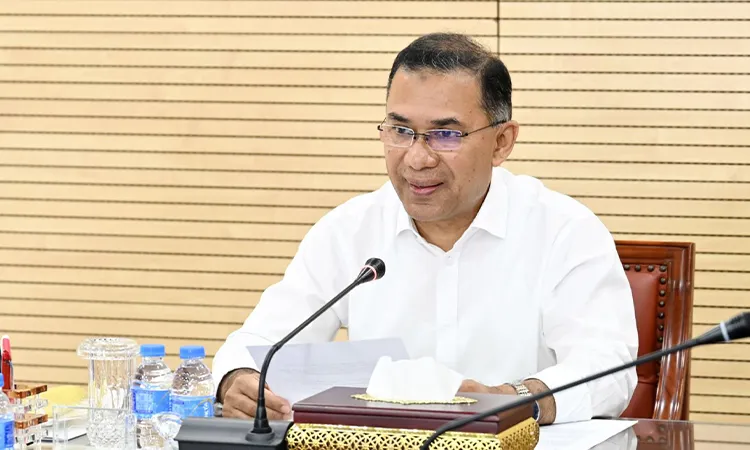
The Prime Minister made these remarks on Thursday morning during a greeting exchange with leaders of the Buddhist community at the Secretariat’s Cabinet Division.
"Our government’s stance is clear: religion belongs to the individual, but the state belongs to everyone," the Prime Minister stated. "Whether Bengali or non-Bengali, believer or non-believer, every citizen will enjoy equal rights. This is the core policy of this government."
Reflecting on the teachings of Gautama Buddha, the Prime Minister highlighted the universal values of non-violence and kindness. He noted that the "Five Precepts"—abstaining from killing, stealing, misconduct, lying, and intoxication—serve as a moral compass for a peaceful society.
 Turning to the history of the Liberation War, the Prime Minister reminded the audience that independence was won through the collective sacrifice of Muslims, Hindus, Buddhists, and Christians.
"During the war, no one asked about another's faith. They fought as one. Therefore, this independent Bangladesh belongs to all of us," he said.
He further emphasized that the philosophy of Bangladeshi Nationalism is the only framework capable of ensuring the peaceful coexistence of the country's diverse ethnic and religious groups.
"None of you should ever consider yourselves a minority," he urged. "The state is yours. Our primary identity is that we are all Bangladeshis."
The meeting also reviewed government initiatives aimed at communal harmony and the socio-economic development of the Buddhist community. To conclude the event, Buddhist leaders presented the Prime Minister with an honorary crest and a Buddha statue.
High-ranking officials in attendance included Home Minister Salahuddin Ahmed, Religious Affairs Minister Shah Mofazzal Hossain Kaikobad, CHT Affairs Minister Dipen Dewan, and State Minister Mir Helal Uddin.
Comment