A breakthrough AI-powered technology is locating "hidden" sperm in men previously diagnosed as infertile, offering couples a new chance at biological parenthood.
For Samuel and Penelope, the dream of having a child seemed impossible. Samuel was diagnosed with Klinefelter syndrome, a genetic condition that often results in azoospermia and a complete absence of sperm in the ejaculate. Affecting about 1% of all men and 10% of those seeking fertility treatment, the condition usually leaves couples dependent on donor sperm.
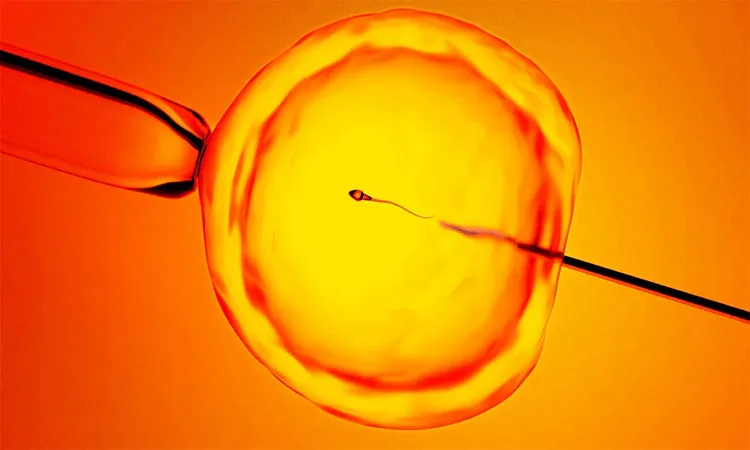
However, a new technique called the Star (Sperm Track and Recovery) system, developed at Columbia University, has changed their lives. By using artificial intelligence to scan samples at high speeds, the system identifies rare sperm cells that are invisible to the human eye.
"I thought I wasn't going to be able to have my own kid," Samuel says. "It was a big slap in the face."

How the Star System Works
Developed over five years, the Star system was inspired by AI algorithms used in astronomy to find distant stars in massive telescope data.
High-Speed Imaging: The system scans samples at 300 images per second.
Precision Detection: AI sifts through debris and cell fragments to find a single, healthy sperm.
Robotic Extraction: Once found, a robotic microfluidic system isolates the sperm in milliseconds, ensuring it remains undamaged for IVF.
Dr. Zev Williams, Director of the Columbia University Fertility Center, notes that in tests, the AI found 40 times more sperm than a trained technician could find manually. Among 175 patients who were told they had zero chance of biological fatherhood, the Star system successfully located sperm in nearly 30% of cases.
A Milestone for Science
In Samuel’s case, doctors had to surgically extract tissue from his testicles. The Star system isolated eight viable sperm from that tissue. One embryo successfully developed, and the couple is now expecting their first son in July 2026. This follows the birth of the first "Star baby"—a girl—late last year.

A Word of Caution
While the results are promising, experts urge balanced expectations. Siobhan Quenby, Professor of Obstetrics at the University of Warwick, warns that while the technology is "exciting," one or two successful pregnancies are just the beginning. Large-scale clinical trials are still required to assess long-term outcomes and the cost-effectiveness of the treatment.
For Samuel and Penelope, however, the technology has already provided the one thing they lacked for years: hope.