On the Iran-Turkey border, a man provides a critical communication service allowing Iranians abroad to contact relatives inside the country, despite international call blocks.
He uses two phones—one connected to Iran’s network and the other to Turkey’s—so that calls via WhatsApp on his Turkish number are connected to family members on his Iranian phone.
The service is vital but expensive and unstable. A four- to five-minute call costs around £28 ($38), and connections often drop after a few minutes. Many Iranians are also relying on virtual private networks (VPNs) to bypass internet restrictions, but data costs have soared to £15 ($20) per gigabyte, with minimal stability.

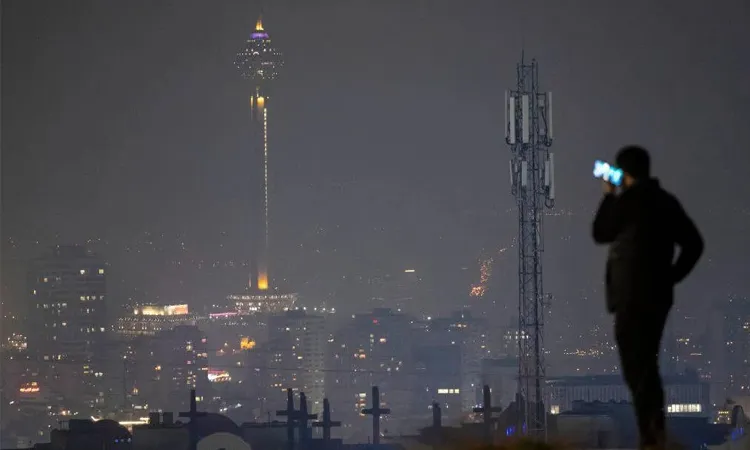
People abroad, like Ava in Canada and Negar in Toronto, express anxiety over family safety during ongoing strikes and bombardments. Those inside Iran, including Hamid in Tehran and Shadi near sensitive sites, face constant danger and restricted movement. Families often pass messages indirectly, relying on tech-savvy relatives to relay updates, as direct communication is often impossible due to censorship and network disruptions.
These methods, while patchy and costly, provide a lifeline for Iranians trying to maintain contact with loved ones amid the ongoing conflict involving the US, Israel, and Iran.