The United States is expecting a formal response from Tehran today regarding a new peace proposal aimed at ending the Gulf War. However, the diplomatic progress remains shadowed by the most significant military flare-ups since the April 7 ceasefire began.
U.S. Secretary of State Marco Rubio, speaking from Rome, expressed hope that the proposal could initiate a "serious negotiation process." Conversely, Iranian Foreign Minister Abbas Araqchi accused Washington of choosing "reckless military adventures" over diplomacy, asserting that Iran’s missile capabilities have actually increased since the conflict began.
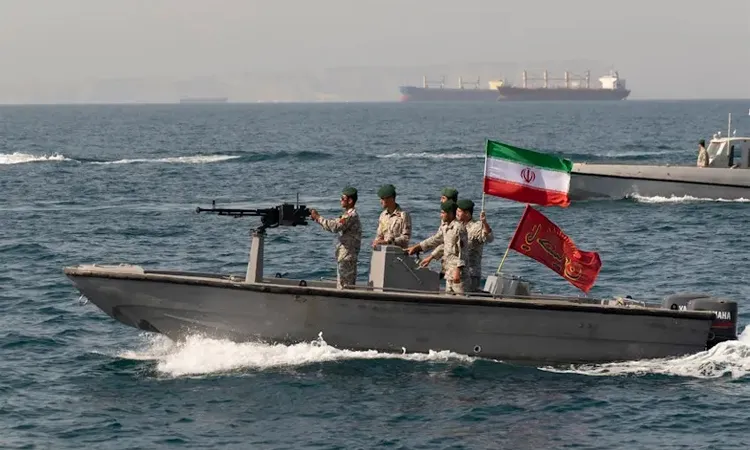
The Strait of Hormuz saw intense maritime exchanges on Friday. President Donald Trump reported that three U.S. Navy destroyers successfully transited the strait under fire, claiming "great damage" was dealt to Iranian attackers without any U.S. losses.
In contrast, Tehran reported that U.S. forces targeted an oil tanker and conducted air strikes on civilian areas on Qeshm Island. Iran’s Mehr news agency reported at least one death and several injuries following a U.S. attack on a commercial vessel late Thursday.
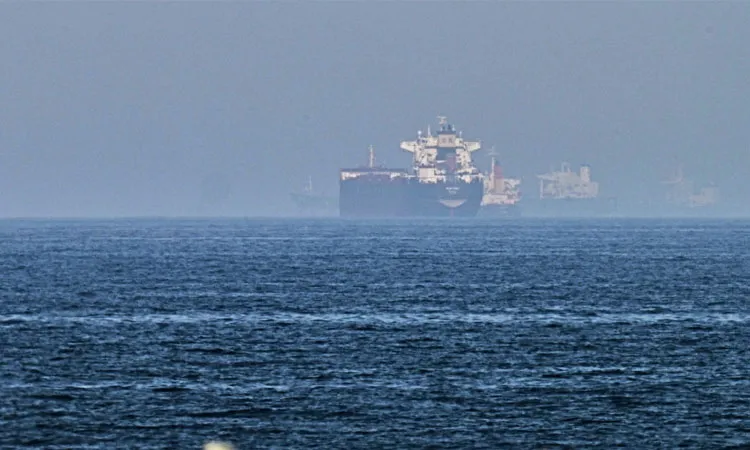
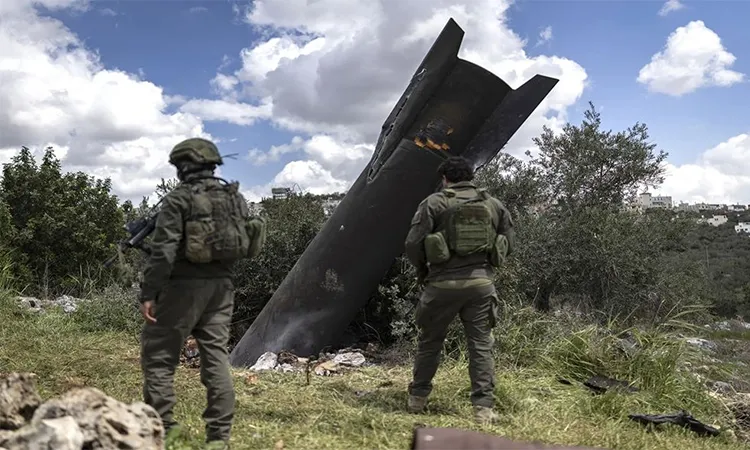
The conflict has spilled beyond the waterway. The UAE reported intercepting Iranian ballistic missiles and drones on Friday, an escalation linked to the recently announced—and then paused—U.S. "Project Freedom" naval mission. Additionally, Iranian forces seized the Barbados-flagged tanker Ocean Koi in the Gulf of Oman, alleging it was attempting to disrupt Iranian oil exports.
Despite the violence, oil prices remain steady near $100 a barrel as markets balance the news of physical clashes against the possibility of a diplomatic breakthrough later today.