Bashundhara Residential Area has long been as one of Dhaka’s most planned, secure and organized neighbourhoods. Residents say the area stands out for its cleaner environment, stronger security, better infrastructure and disciplined management compared to many other parts of the capital.
Now, concerns are growing among residents over discussions about bringing the area under the control of Dhaka North City Corporation (DNCC). Many fear that such a move could weaken the management structure that has helped Bashundhara maintain its current character.
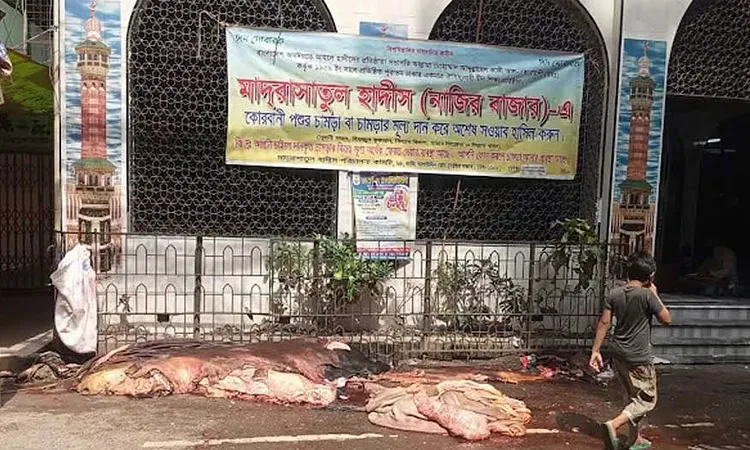
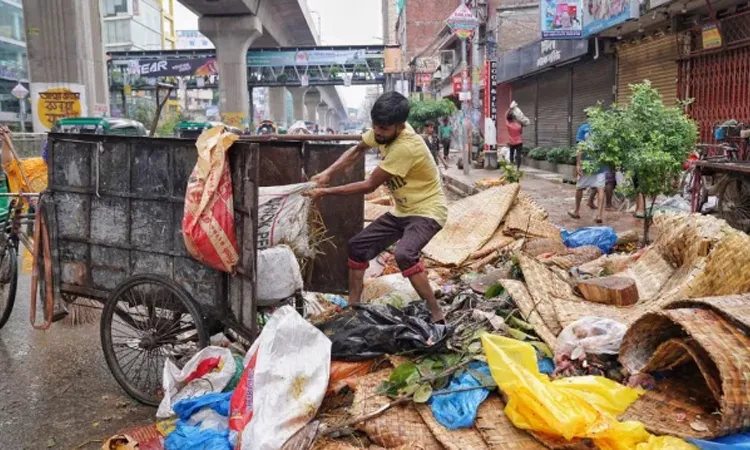
Residents argue that many neighbourhoods already under the two city corporations continue to struggle with traffic congestion, waterlogging, poor drainage, illegal occupation, crime and inadequate civic services. Areas such as Badda, Bhatara, Khilkhet and Mohammadpur are often cited as examples where residents face regular complaints related to security and urban management.

Against that backdrop, Bashundhara is viewed by many residents as an exception within Dhaka’s largely unplanned urban landscape.
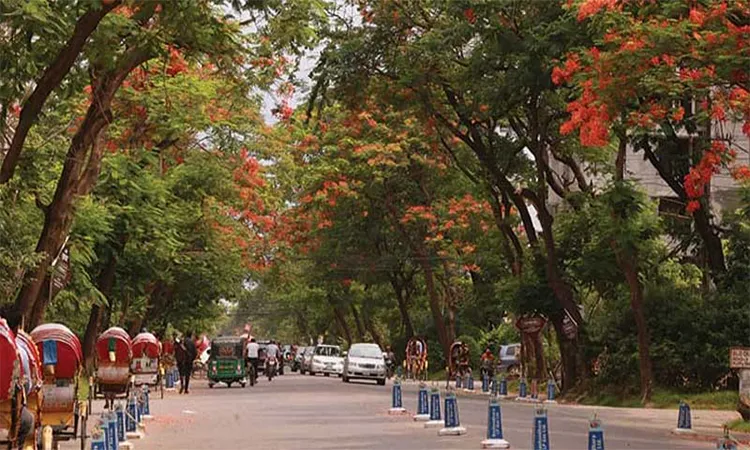
The residential area began its journey in 1987 under the initiative of Bashundhara Group Chairman Ahmed Akbar Sobhan. Over the years, the area developed with wider roads, designated open spaces, planned drainage systems and stricter construction rules compared to many parts of the capital.
Urban planners have long emphasized the importance of open space, ventilation and controlled construction for maintaining healthy city environments. In Bashundhara, buildings are generally required to maintain space around structures, allowing more natural light and air circulation.
The area is also known for its relatively organized infrastructure. Concrete block roads, structured drainage systems, sidewalks and designated parking facilities have helped reduce some of the common urban problems seen elsewhere in Dhaka, especially waterlogging after rainfall.
Residents also point to the area’s security arrangements as one of its key attractions. Controlled entry points, private security personnel, CCTV monitoring and community coordination have contributed to a stronger sense of safety.
Another feature frequently highlighted by residents is the absence of large-scale illegal occupation, unregulated roadside establishments and uncontrolled commercial expansion within residential blocks. Many believe this has helped preserve a quieter and cleaner environment for families.
Bashundhara has also grown into a major urban hub with universities, schools, hospitals, shopping centres, restaurants and recreational facilities. Residents say these services have created a relatively self-sufficient living environment inside the capital.
During periods of political unrest in recent years, local residents also organized community-based monitoring and support systems to help maintain order inside the area. Many residents believe this sense of coordination is one of the strengths of the community.

However, critics of bringing Bashundhara under DNCC control argue that the city corporation is already under pressure to manage existing urban challenges across Dhaka. They fear that additional administrative control could lead to bureaucratic complications, weaker enforcement of rules and gradual deterioration of the area’s planned character.
Residents say they are not only investing in property, but also in security, order and quality of life. For many families, Bashundhara represents a safer and more organized alternative within Dhaka’s difficult urban reality.
Urban experts note that preserving planned residential areas is important for the future of Dhaka, especially as the city continues to face rapid population growth, infrastructure pressure and environmental challenges.
For residents, the debate is ultimately about whether Bashundhara’s current model of management and urban planning can be protected while ensuring accountability and proper civic oversight.