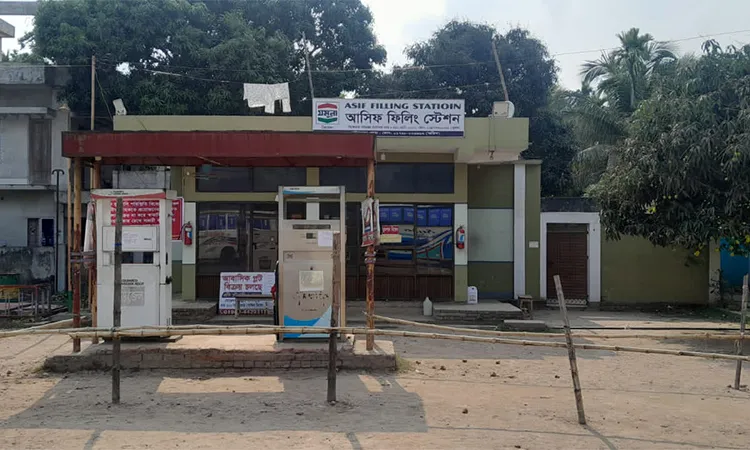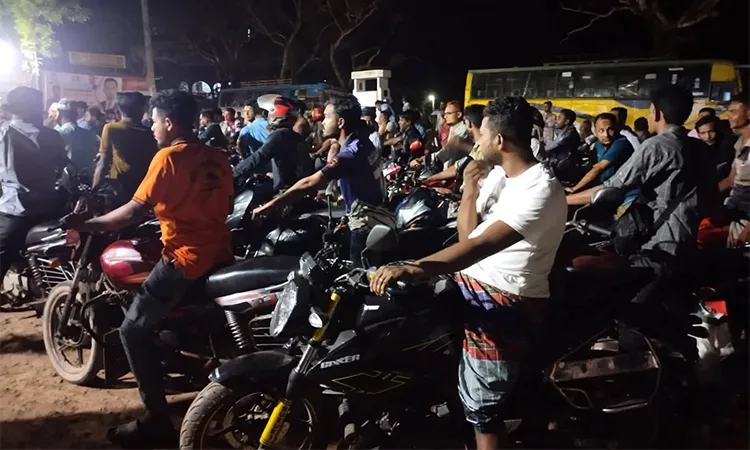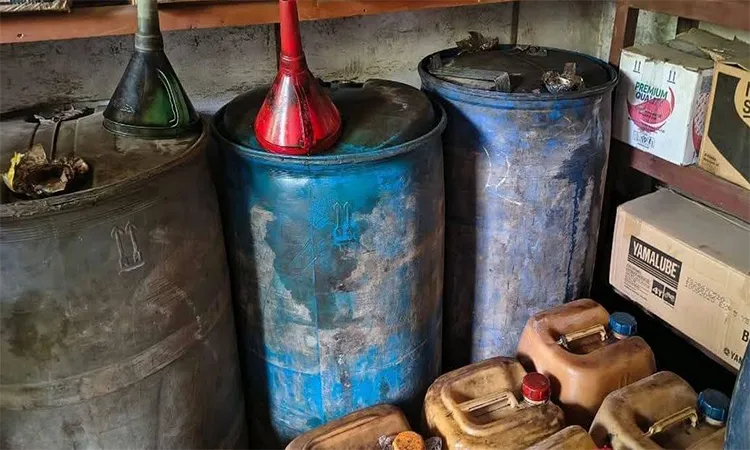
Petrol and octane are reportedly being sold in Paikgachha upazila of Khulna at Tk 250 to Tk 300 per litre in the open market, far above government rates. The situation has caused widespread concern among residents, who are questioning whether this is a genuine supply crisis or the result of organised market manipulation.
Fuel is allegedly being sold in bottles and gallons across multiple locations, including Paikgachha municipality, microbus stands, Boaliar More, Agarghata, Kapilmuni, Shasthitola Bazar, Katipara, Banka Bazar, Katakhali, Chandkhali, and Almatla in Raruli Union. Prices in these informal markets are nearly double the official rate.
Residents say the crisis is linked to limited supply. Paikgachha and neighbouring Koyra upazila rely on a single filling station, which often fails to meet demand. Long queues are common, and fuel is frequently unavailable. Even when supply arrives, it falls short. Octane users are facing the most severe shortages.
Locals allege that a group is purchasing fuel from pumps in bulk, storing it, and reselling it at inflated prices. This practice is increasing transport costs and affecting prices of essential goods.
Shahjahan Ali, a resident, said, “Fuel is no longer available at normal prices. For urgent travel, we are forced to buy at high rates. Our living costs are rising, but there is no relief.”
Another motorcyclist, Rabiul, said, “Even after waiting in long lines, we often get nothing. Without buying from the open market, we cannot run our vehicles. Ordinary people are suffering the most.”
While global fuel price fluctuations have affected Bangladesh, residents question whether the sharp price increase in Paikgachha reflects a real shortage or an artificial crisis created by a syndicate.
Locals have demanded immediate government intervention, including strict monitoring, enforcement drives against illegal sales, and ensuring regular fuel supply at filling stations.
The situation in Paikgachha highlights a deeper concern: whether the current fuel crisis is driven by supply constraints or controlled market practices that are worsening public hardship.