A severe fuel crisis in Khulna’s Paikgachha upazila has left residents at the mercy of an organized syndicate. The acute shortage of petrol, octane, and diesel—coupled with price gouging—has hit motorcyclists, farmers, and low-income groups the hardest.
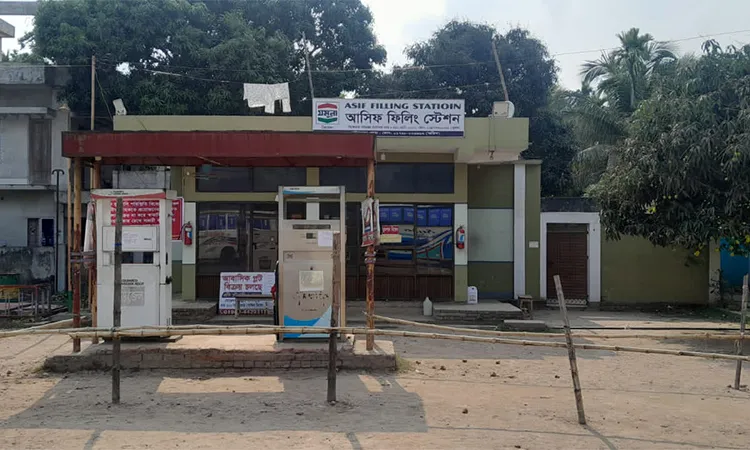
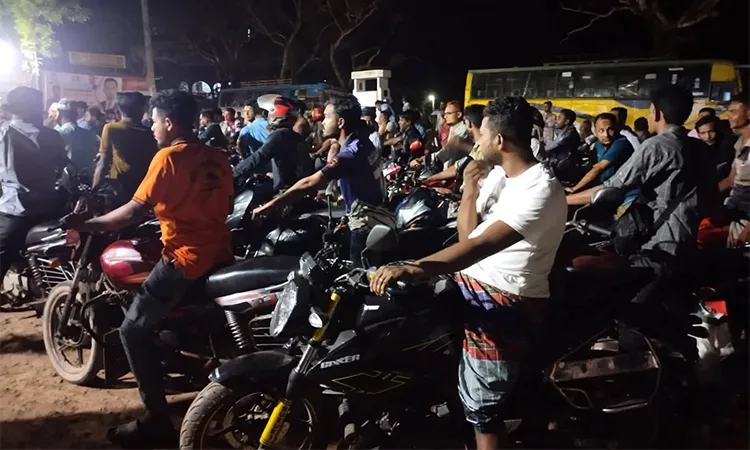
Field reports indicate that while filling stations claim to be out of stock during the day, they briefly open in the evening. However, "sold out" signs appear quickly, leaving long queues of frustrated consumers empty-handed.
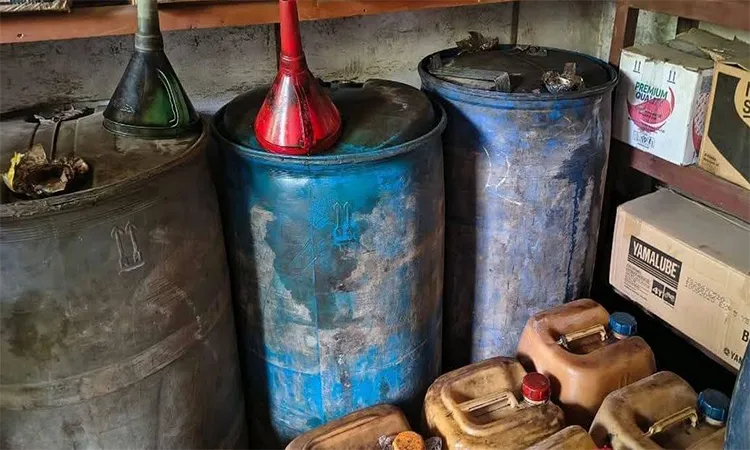
Meanwhile, a rampant black market has emerged. Unlicensed retailers are openly selling petrol and diesel for 150 to 200 BDT per liter. Allegations suggest filling stations are prioritizing these retailers over general consumers to maximize profits. With only one official filling station in the upazila, the lack of competition and oversight has reached a breaking point.
The timing of the crisis is particularly devastating for agriculture. As the Iri-Boro paddy season peaks, farmers desperately need diesel for irrigation. High costs and limited supply are driving up production expenses, threatening yields and livelihoods.
"I couldn't get fuel despite waiting for hours and eventually had to buy it at 200 BDT per liter," said Rafiqul Islam, a local motorcyclist. "If this continues, we will have no choice but to protest."
Students are also suffering. "I can't reach my exams on time," said college student Tania Khatun. "The shortage of transport has caused fares to skyrocket."
Local sources confirm that an influential syndicate is hoarding fuel from stations to resell it at inflated prices. While the local administration occasionally conducts raids, residents argue these measures are insufficient and lack long-term impact.
Community leaders warn that if the syndicate is not dismantled, the mounting frustration could lead to significant social unrest. Residents are demanding immediate, strict legal action and regular market monitoring to restore the supply of this essential commodity.