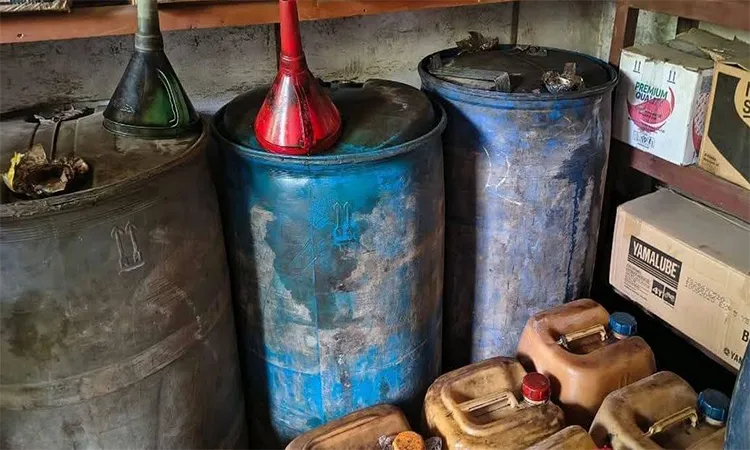
A severe fuel crisis in Khulna’s Paikgachha upazila is obstructing field-level journalism, slowing the flow of vital information to the public. Journalists tasked with gathering news and conducting investigations report that the shortage has made it nearly impossible to reach remote areas or respond to emergencies.
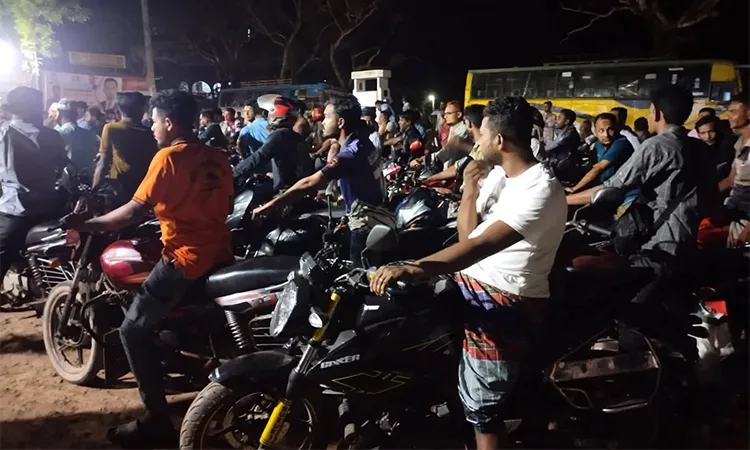
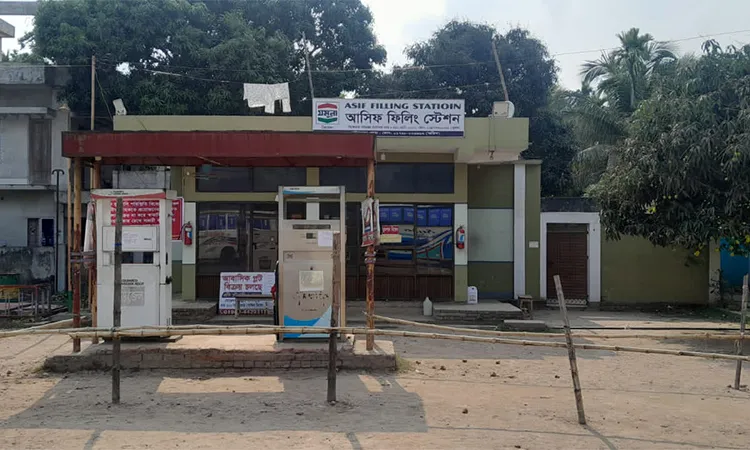
The upazila’s sole petrol pump remains closed for most of the day. When fuel is available, supply is strictly limited. Journalists, who rely heavily on motorcycles, often wait in line for two to three hours only to return empty-handed.
This disruption has brought news gathering in rural areas to a virtual standstill. Rapid response to accidents, fires, and urgent humanitarian issues is now severely delayed. Consequently, critical events are failing to reach the media, creating a dangerous information gap.
The financial burden has also increased, as some reporters are forced to rent vehicles at triple the standard rate. For many, these costs are unsustainable, leading to a decline in the coverage of important local issues.
"Journalism is an emergency service," said Advocate FMA Razzak, President of the Paikgachha Press Club. "Standing in line for hours makes it impossible to fulfill our duty. Important information is being lost because there is no priority for journalists." He urged the authorities to establish a separate quota or special arrangement for media professionals.
While the Bangladesh Tanker Owners Association and the Fuel Oil Distributors Association (Khulna Division) previously directed pumps to prioritize doctors, police, and journalists, local reporters say these instructions are not being followed on the ground.
Efforts to contact the Upazila Nirbahi Officer (UNO) for comment were unsuccessful as the official did not answer the phone.
The uninterrupted movement of journalists is essential for transparency and democratic accountability. If field reporters cannot operate, the public loses access to reliable information. Local journalists are now calling for immediate administrative intervention, demanding separate booths or priority service at fuel stations upon presenting identification.