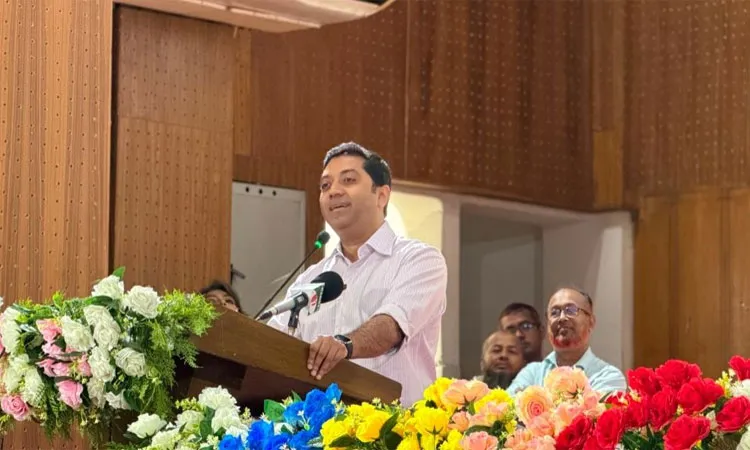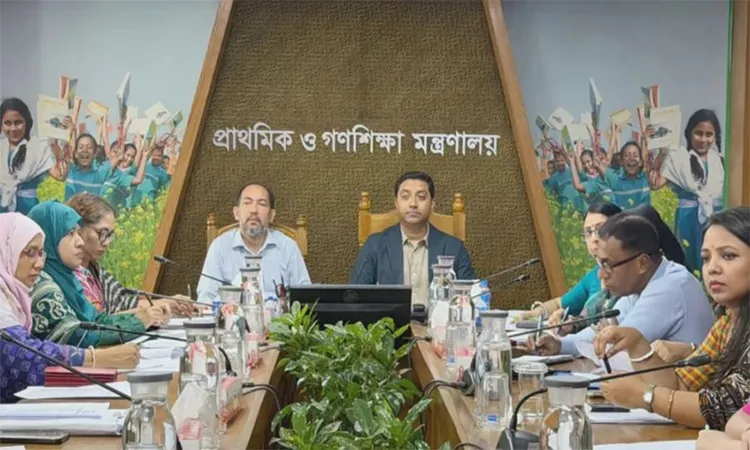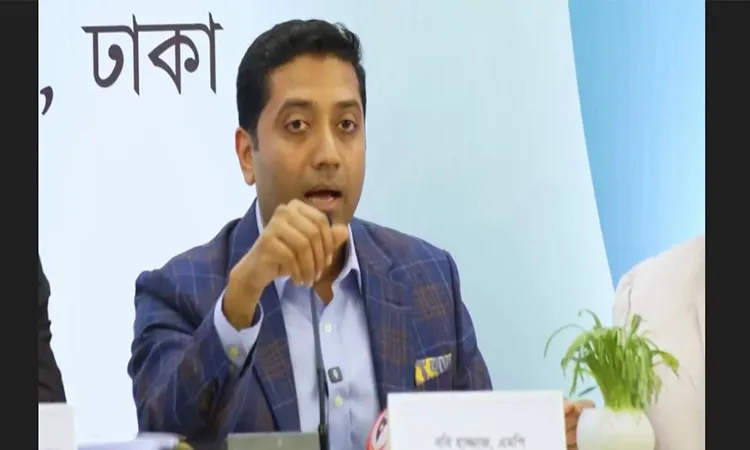
In the context of the ongoing measles outbreak and the energy crisis, State Minister for Primary and Mass Education Bobby Hajjaj has confirmed that the government has no plans to close primary schools or shift to online classes at this time.
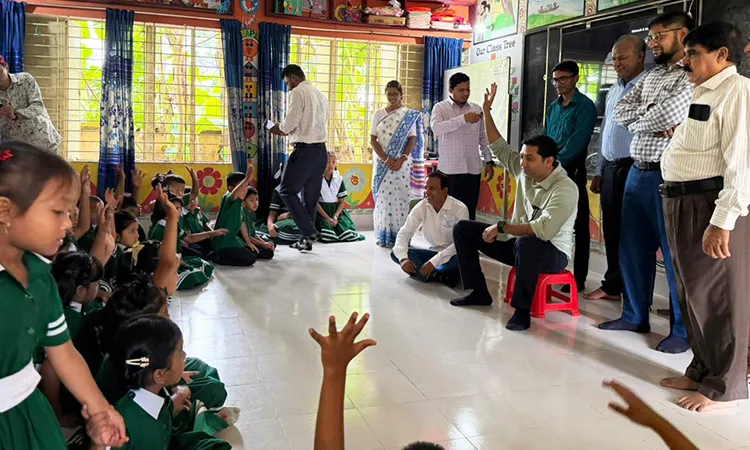
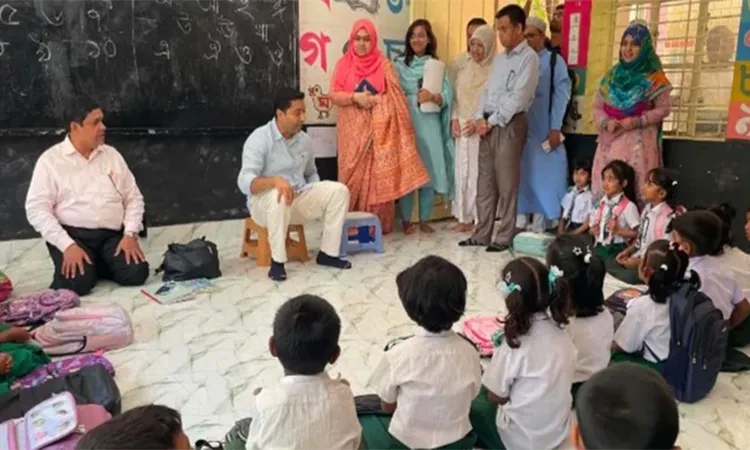
The State Minister made the statement on Monday (April 6) afternoon after inspecting the infrastructure and educational programs of several primary schools in Dhaka.
He clarified that the Ministry of Primary and Mass Education is committed to continuing in-person education. No decision has been made regarding school closures, and efforts are being made to keep education programs running normally.
Regarding future plans, Bobby Hajjaj said the government will introduce several new initiatives in the education sector by June-July. The inspection was aimed at assessing school readiness for these programs and evaluating the current condition of educational facilities.
During the visit, the State Minister interacted with school management committees, teachers, parents, and students to understand their concerns. He paid special attention to the mid-day meal program and overall student health, emphasizing that improving education quality and school infrastructure remains a top priority.
On school modernization, Hajjaj stated that the government is focused on renovating physical infrastructure. In light of the recent rise in measles cases, schools have been instructed to take extra health precautions, though the situation does not yet warrant class closures. Teachers are also guiding students on hygiene and health awareness.
Addressing concerns about the energy crisis, the State Minister noted that schools will continue educational activities despite power-saving measures. He emphasized that online classes are less effective for primary students, and the government prioritizes in-person teaching. Parents were assured that children’s health and safety are paramount, and further actions will follow expert advice if conditions worsen.
For now, schools will continue regular classes while new curricula and development projects proceed. Hajjaj expressed hope that these inspections will help higher authorities understand field-level conditions and inform future decisions.