
- National
- Bangladesh
- Business
- International
- Sports
- Entertainment
- Politics
- Technology
- Life Style
- Religion
- Opinion
Saturday, 16 May 2026

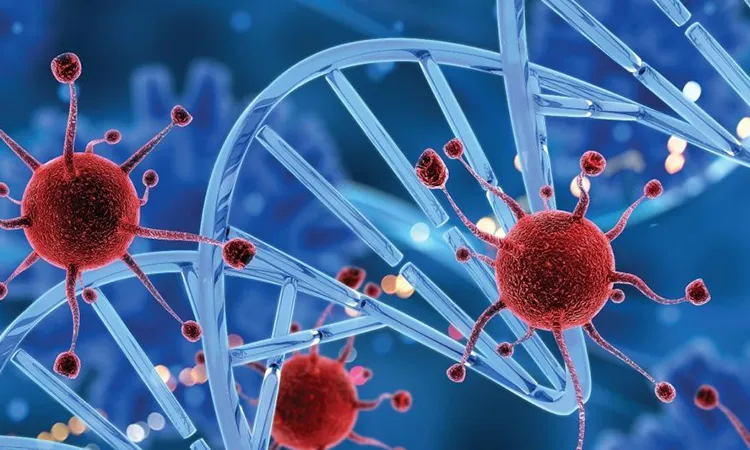
Researchers and medical experts are discussing a new cancer treatment method that can deliver immunotherapy in about seven minutes through an injection instead of long intravenous drips. The treatment is being presented as a faster and less painful option for patients suffering from several cancers, including lung, breast and liver cancer.
Lung cancer is becoming increasingly serious in Bangladesh. Alongside smoking and air pollution, experts say genetic changes inside the body also play a role in the disease. In many cases, chemotherapy and radiotherapy cannot fully control the spread of cancer, especially when it becomes aggressive.
To address this challenge, Swiss pharmaceutical company Roche has introduced a subcutaneous immunotherapy method using the drug atezolizumab. Researchers say the treatment has received approval in several markets and can reduce the time patients spend in hospitals.
Unlike traditional chemotherapy, the medicine is given through a short injection under the skin. Doctors say the treatment is designed to help the body’s immune system recognize and fight cancer cells more effectively. This approach may also reduce some of the discomfort commonly linked to chemotherapy and long infusion treatments.
Immunotherapy works by strengthening the body’s natural defense system. Researchers say the new method may help immune cells respond more actively against cancer cells while making treatment more convenient for patients.
Medical researchers have also identified genetic changes linked to lung cancer, particularly in genes such as EGFR and tumor suppressor genes (TSG). Rapid mutations in these genes are often associated with lower survival rates. Scientists hope newer immunotherapy approaches may improve treatment outcomes for patients with these genetic changes.
However, experts caution that the treatment should not be viewed as an instant cure. The “7-minute treatment” refers to the time needed to administer the injection, not the complete elimination of cancer. Long-term effectiveness depends on the patient’s condition, cancer stage and medical response to therapy.
