- National
- Bangladesh
- Business
- International
- Sports
- Entertainment
- Politics
- Technology
- Life Style
- Religion
- Opinion
Wednesday, 08 April 2026

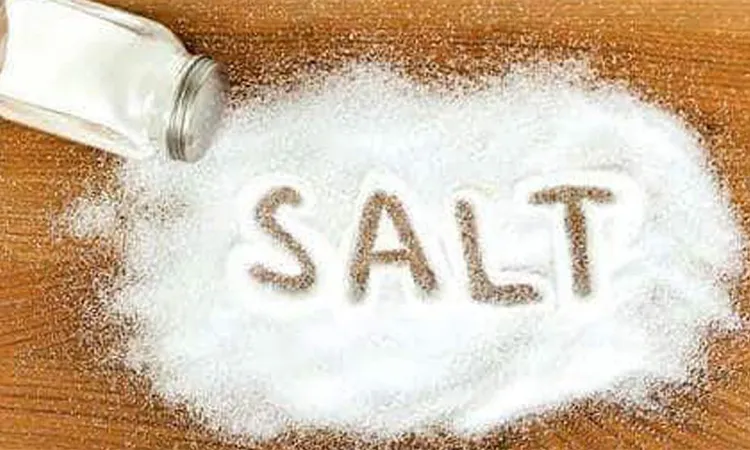
A new study from Vanderbilt University has found that consuming too much salt (sodium) can directly increase the risk of heart failure—even in people without prior heart disease. The risk is higher among those already vulnerable.
The research, published in the Journal of the American College of Cardiology: Advances, analyzed data from more than 25,500 adults in the southeastern United States.
Many participants came from low-income communities, where heart disease risk is typically higher. On average, they consumed nearly double the recommended daily salt intake. This higher intake was linked to a 15% increase in the risk of developing heart disease.
According to the American Heart Association and US dietary guidelines, adults should limit sodium intake to no more than 2,300 milligrams per day. However, participants in the study consumed an average of 4,269 milligrams daily.
The study also found that for every additional 1,000 milligrams of sodium consumed per day, the risk of first-time heart failure increased by 8%.
Researchers emphasize that even small reductions in salt intake can lower heart disease risk—especially in high-risk groups. Monitoring daily sodium consumption is an important step toward better heart health.
Comment