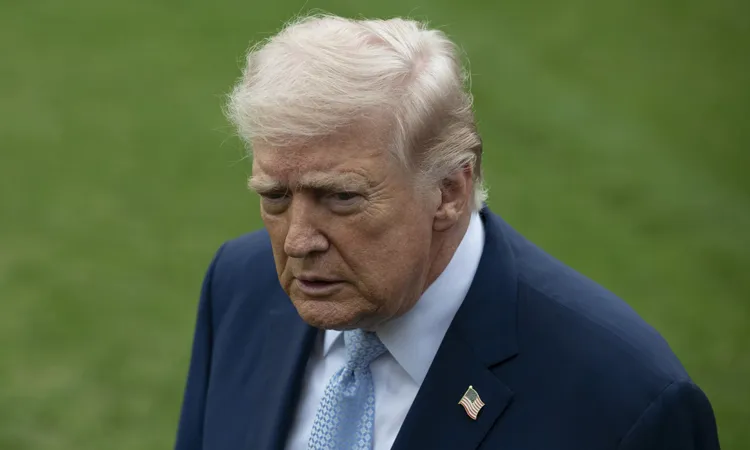
Donald Trump has announced a five-day postponement of planned US strikes on Iranian power plants, claiming “productive conversations” with Tehran aimed at a “complete and total resolution” of the ongoing conflict in the Middle East.
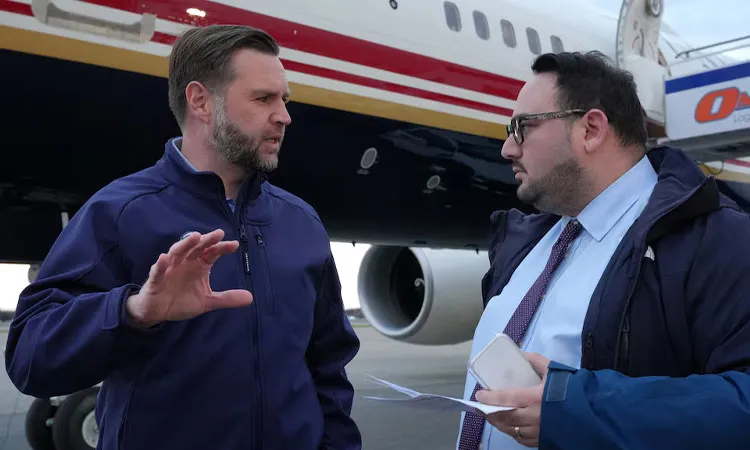
According to Trump, discussions involving US envoys Steve Witkoff and Jared Kushner took place recently, with the possibility of a deal emerging within days. However, Iranian authorities and state media have strongly denied that any direct talks occurred, describing Trump’s remarks as misleading and a sign of strategic retreat.

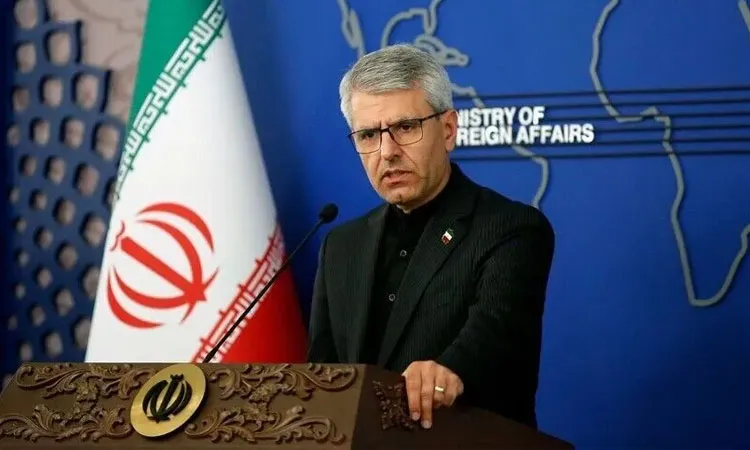
Iran’s foreign ministry suggested that Trump’s statements are part of a broader attempt to influence global energy prices and buy time for potential military escalation. Tehran warned that any US attack could trigger severe retaliation, including targeting critical infrastructure across the Middle East.
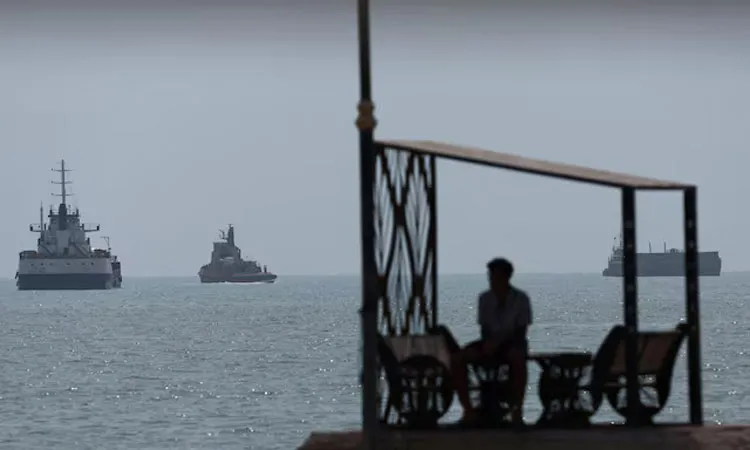
The crisis centers on the Strait of Hormuz, a vital global oil transit route that Iran has effectively restricted. Earlier, Trump had issued a 48-hour ultimatum threatening strikes unless the strait was fully reopened.
In response, Iran’s defense council warned it could escalate further by deploying sea mines to block the entire Gulf if attacked. Reports also suggest the US is considering plans to pressure Tehran by targeting or blockading Kharg Island, a key oil export terminal.
Meanwhile, the UK government under Keir Starmer has welcomed any signs of diplomatic progress, emphasizing the urgent need for de-escalation and the reopening of the Strait of Hormuz to stabilize global markets.
Regional mediation efforts are ongoing, particularly led by Oman. Badr Albusaidi stated that his country is working intensively to ensure safe passage through the strait and prevent further escalation. He also warned that continued conflict could severely damage Gulf economies and global stability.
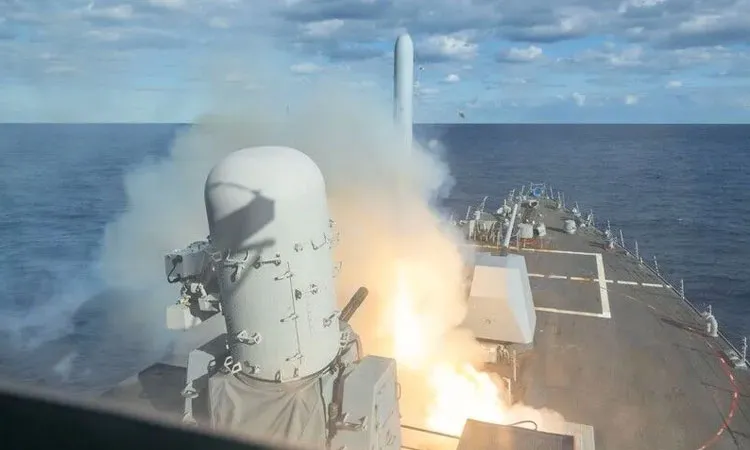
Despite Trump’s softer tone, the situation remains volatile. The deployment of US naval forces to the region signals that military options are still under consideration, leaving uncertainty over Washington’s next move.