- National
- Bangladesh
- Business
- International
- Sports
- Entertainment
- Politics
- Technology
- Life Style
- Religion
- Opinion
Monday, 25 May 2026

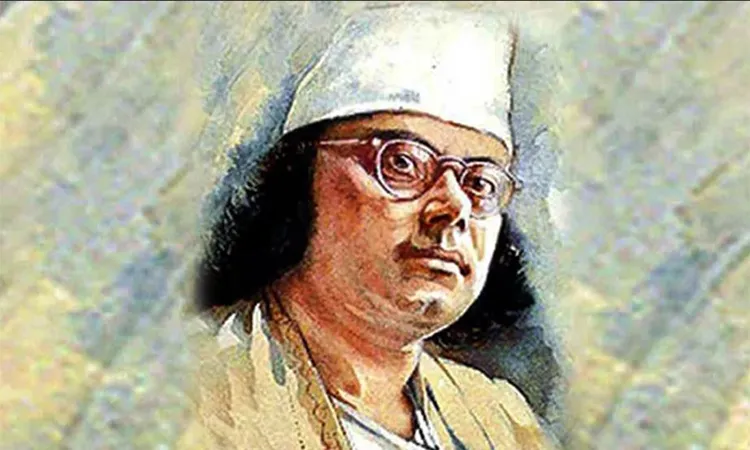
Today, Monday (May 25), marks the 127th birth anniversary of Bangladesh’s National Poet Kazi Nazrul Islam, whose name remains a powerful symbol of rebellion, equality and humanity in Bengali literature.
Even today, his timeless message — “There is nothing greater than man” — continues to inspire people in a world divided by discrimination and intolerance. Across the country, various programmes are being organised to remember the poet and celebrate his life and works.
Nazrul raised a strong voice against exploitation, injustice and social inequality. Alongside the spirit of rebellion in his writings, he consistently promoted humanity and communal harmony. His call to rise above religion, caste and class remains deeply relevant today.

During a literary career spanning just four decades, Nazrul made extraordinary contributions to poetry, songs, novels, stories, plays and essays. Works such as Bidrohi, Samyabadi, Agniveena and Dolanchapa brought new energy and consciousness to Bengali literature.
His writings highlighted the struggles of working people, women’s rights and resistance against oppression. He also became a shining example of religious harmony through both Islamic songs and Shyama Sangeet devotional music.
Nazrul remains close to the hearts of people even after his death. He was buried beside the Central Mosque of Dhaka University, where visitors from different walks of life gather every day to pay tribute.

Cultural figures say the challenge now is not only to remember Nazrul, but also to pass his ideals and philosophy to younger generations. Efforts are ongoing to translate his literature and music into different languages and promote them internationally.
To mark the occasion, discussion meetings, poetry recitations, musical performances and tribute programmes are being held at educational, cultural and social institutions across the country.