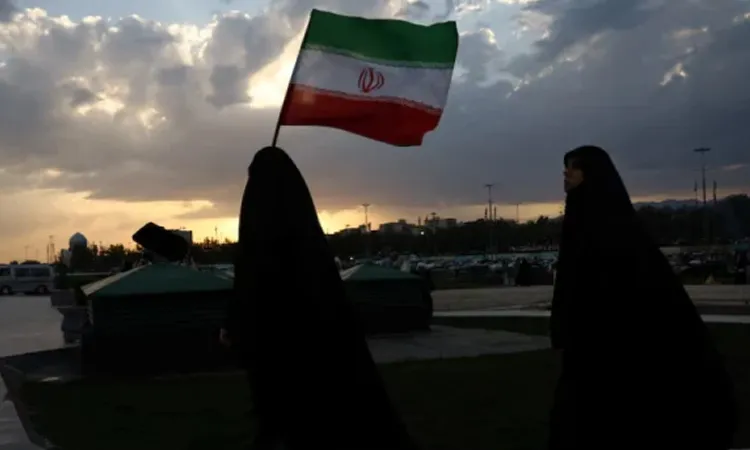
Iran has warned it will target energy and water facilities in Gulf countries if the United States attacks its power grid, raising fears of a wider regional crisis.
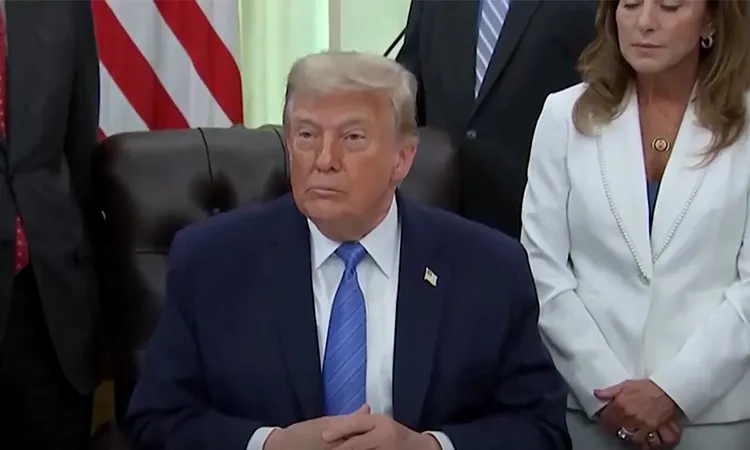
The warning came after US President Donald Trump gave Iran 48 hours to fully reopen the Strait of Hormuz, threatening to strike Iranian power plants if it fails to comply.

Iranian leaders, including Parliament Speaker Mohammad Baqer Qalibaf, said any attack on Iran’s infrastructure would trigger retaliation across the Middle East. Likely targets include energy facilities, desalination plants and key infrastructure in Gulf states.
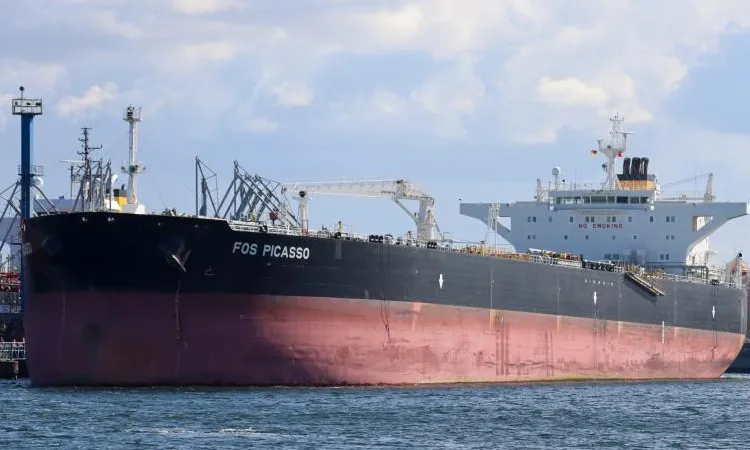
Iran’s Revolutionary Guards also warned the Strait of Hormuz could be fully closed. The waterway is a vital route for global oil and gas shipments. Although some vessels are still passing under coordination, most shipping remains disrupted.

In Israel, air raid sirens sounded early Sunday after Iranian missile attacks hit southern areas, including Arad and Dimona, injuring dozens. Israel later carried out airstrikes on Tehran in response.
The conflict is expanding beyond the two countries. Iran-backed Hezbollah has launched rockets from southern Lebanon, while Israeli forces have intensified operations in border areas. Strikes on bridges over the Litani River have disrupted movement and supplies for civilians.
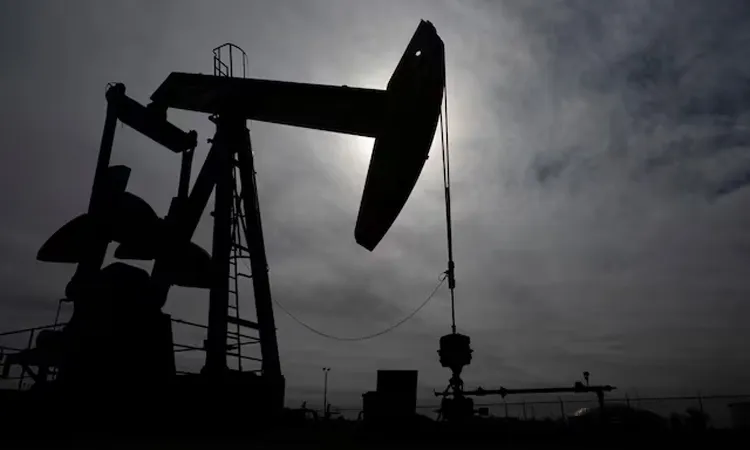
The war, which began on February 28, has already killed more than 2,000 people and caused major disruption to global energy markets. Oil prices have risen sharply, while European gas prices surged last week.
Analysts warn that further escalation—especially attacks on infrastructure or a full closure of the Strait of Hormuz—could trigger a global energy crisis and further economic instability.
There are also growing political pressures in the United States, where public opinion is divided over continued military action.
Religious and international leaders have called for an immediate ceasefire, warning that continued violence will deepen humanitarian suffering across the region.